 Beauty
 Bone Health
 Brain Health
 Energy
 Eye Health
 Gut Health
 Hair
Hair
 Hormonal Health
 Heart Health
 Immunity
 Joints
 Menopause
 Pregnancy
 Kids
Kids
 Sleep
Sleep
 Stress & Mood












Stomach pain has many possible causes, and identifying the pattern of your pain is the most reliable starting point. Pain after eating typically points to digestive function: poor food breakdown, food sensitivities, or microbiome disruption. Pain on waking suggests gut lining or stomach acid issues. Pre-menstrual or cyclical pain is usually hormonal and muscular in origin. A food diary is one of the most useful tools for identifying triggers. Persistent, severe, or unexplained pain always warrants a GP assessment.
Stomach pain is one of the most common reasons people seek nutritional advice, and one of the most variable. The same symptom — abdominal discomfort — can have a dozen different causes: food sensitivities, gut microbiome disruption, low stomach acid, inflammation, hormonal changes, stress, or structural issues in the digestive tract. The appropriate response depends entirely on which category your pain falls into.
The most useful starting point is pattern recognition. Where the pain is, when it occurs, what accompanies it, and what makes it better or worse are all clues that help narrow down the cause and direct the most appropriate response. This guide works through the most common patterns and what to do about each.
Pattern 1: Pain After Eating
Pain that occurs consistently after meals (within 30 minutes to two hours of eating) usually indicates a digestive function problem. The stomach is struggling to break down food efficiently, and this can happen for several reasons.
Low stomach acid is more common and more underdiagnosed than most people expect. Adequate stomach acid is essential for activating pepsin (the enzyme that breaks down protein), triggering bile release from the gallbladder, and creating the acidic environment that prevents bacterial overgrowth. When stomach acid is insufficient, protein sits undigested in the stomach, begins to ferment, and causes bloating, pressure, and discomfort. Telltale signs include feeling full very quickly, a heavy sensation after eating, and frequent burping.
Food sensitivities, distinct from true food allergies, produce a delayed inflammatory response typically peaking one to four hours after eating the trigger food. Common culprits include gluten, dairy, eggs, soy, and high-FODMAP foods (fermentable carbohydrates poorly absorbed in the small intestine). Keeping a food diary for two to three weeks is the most reliable way to identify personal triggers.
Gut microbiome disruption affects how food is processed in the colon. Bacterial imbalance (dysbiosis) can cause excessive fermentation of carbohydrates, producing gas, distension, and pain alongside altered bowel habits. This is frequently the mechanism behind irritable bowel syndrome (IBS), which affects an estimated 10 to 15% of the UK population.
A food diary should record what you ate, when symptoms occurred, your stress level that day, where you are in your menstrual cycle if relevant, and any changes to bowel habits. Two to three weeks of consistent tracking almost always reveals patterns that are not visible in memory alone. Note that food sensitivities don't always appear as gut symptoms — also track mood and energy levels, as there can be a consistent link between certain foods and how you feel overall.
Pattern 2: Pain on Waking or Before Eating
Pain that is present on waking, before eating, or that eases once food is consumed points toward issues with the stomach lining or stomach acid regulation. An empty stomach means more concentrated acid in direct contact with the stomach wall, which causes discomfort if the mucosal lining is compromised or acid secretion is dysregulated.
Helicobacter pylori infection (a bacterial infection of the stomach lining) is considerably more common than most people realise, estimated to affect around a third of the UK population at some point. It commonly causes pre-meal epigastric pain (just below the breastbone), nausea, and a sensation of stomach fullness. It is diagnosed via a breath test or stool antigen test available through your GP, and treated with a specific antibiotic combination. If morning stomach pain is persistent and consistent, this is worth ruling out before pursuing nutritional interventions.
Chronic stress is also a meaningful contributor. Cortisol impairs the mucosal lining of the gut and alters gastric acid secretion rhythms, and many people find pre-meal stomach pain is noticeably worse during high-pressure periods at work or during anxious phases.
Pattern 3: Pre-Menstrual or Cyclical Pain
Abdominal or stomach pain that worsens in the week before a period, during menstruation, or follows a predictable monthly pattern is typically driven by prostaglandins. These are hormone-like compounds that trigger uterine muscle contractions during menstruation. These contractions can affect the bowel as well, causing cramping, looser stools, or bloating that tracks the cycle.
Magnesium is one of the most evidence-backed interventions for cyclical menstrual pain. It reduces prostaglandin synthesis and relaxes smooth muscle, including the uterine and intestinal muscle responsible for cramping. Several randomised controlled trials have demonstrated significant reductions in menstrual pain severity and duration with magnesium supplementation. Ginger extract has similarly robust evidence for reducing menstrual pain when taken in the days leading up to and during a period.
Purolabs Magnesium Citrate provides 210mg of highly bioavailable non-buffered magnesium citrate per serving, a gentler and better-absorbed form than magnesium oxide.
Purolabs Hormonal Balance combines magnesium bisglycinate with ginger extract (151.2mg), Vitamin B6, and chromium specifically for women experiencing PMS and cyclical hormonal symptoms.

Magnesium Citrate

Hormonal Balance
Pattern 4: Constant or Precisely Located Pain
Pain that is constant rather than episodic, or that is precisely located (upper right abdomen, lower right, or around the navel) rather than diffuse and shifting, is more likely to have a structural cause requiring medical assessment. Upper right pain after fatty meals can indicate gallbladder involvement. Lower right pain that is sharp and persistent warrants urgent assessment to rule out appendix-related pathology. Pain around the navel with bloating and altered bowel habits is more characteristic of IBS or small intestinal bacterial overgrowth (SIBO).
Important: Constant pain, pain that wakes you from sleep, pain accompanied by blood in the stool, unexplained weight loss, fever, or pain that has changed character recently should be assessed by a GP. Do not attempt to self-manage these symptoms.
A Practical Diagnostic Framework
| When Pain Occurs | What Accompanies It | Most Likely Cause | Where to Start |
|---|---|---|---|
| 30 to 120 mins after eating | Bloating, heavy stomach, burping after meals | Low stomach acid or food sensitivity | Food diary; try bitter foods before meals; consider gut microbiome support |
| 30 to 120 mins after eating | Loose stools, urgency, wind, variable bowels | Food intolerance or IBS | Elimination trial of common triggers; high-quality probiotic |
| On waking or before eating | Eases with food; may include nausea | Stomach lining irritation or H. pylori | GP assessment to rule out H. pylori; stress management; gut lining support |
| Pre-menstrually or during period | Cramping, bloating, bowel changes tracking the cycle | Prostaglandin-driven smooth muscle cramping | Magnesium; ginger; Purolabs Hormonal Balance |
| Constant or precisely located | Any | Structural cause requiring medical assessment | GP assessment; do not self-manage |
The Role of Probiotic Supplementation
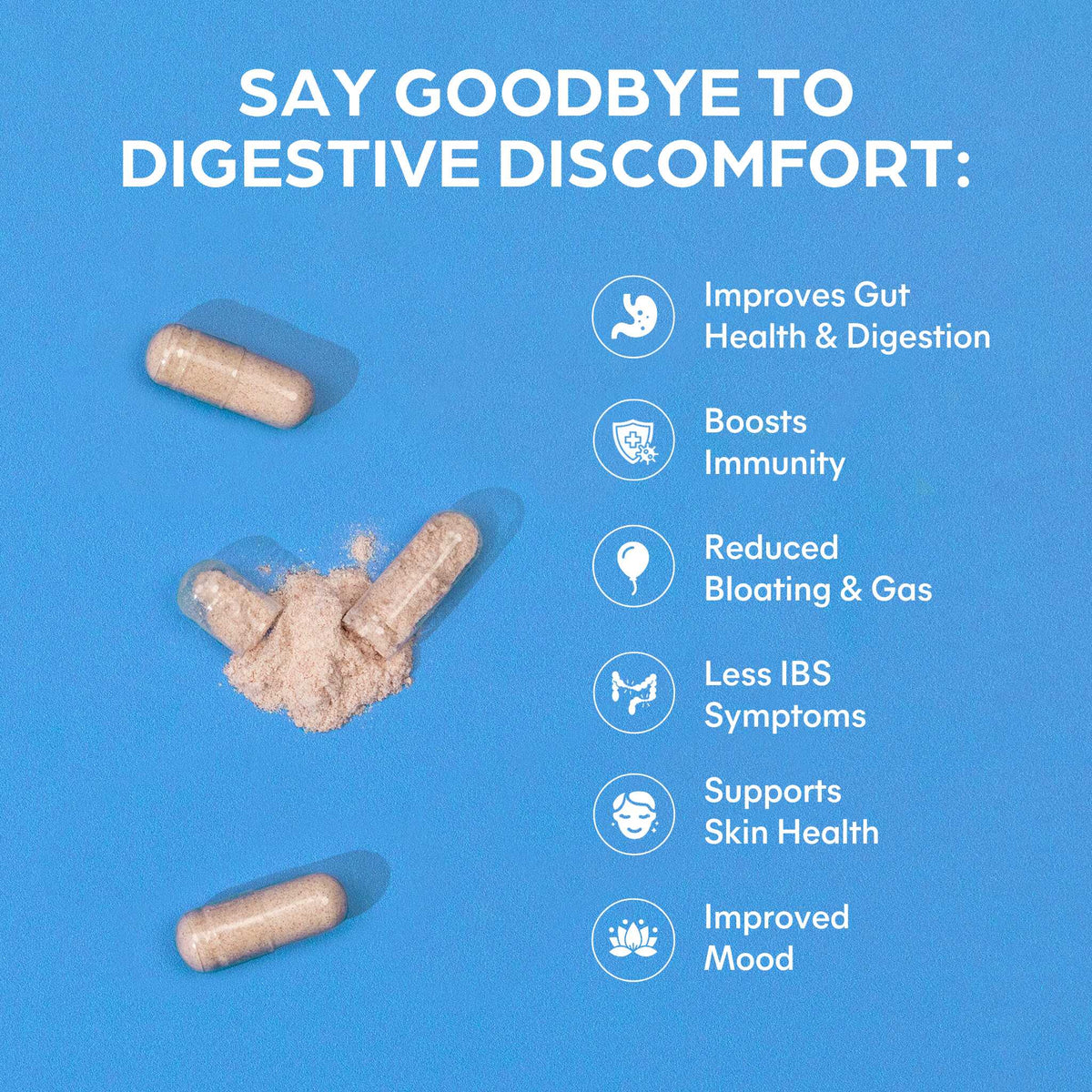
For stomach pain rooted in gut microbiome disruption — the most common category for chronic, episodic abdominal pain — a high-quality, multi-strain probiotic is one of the most evidence-backed nutritional interventions available. Probiotics work by rebalancing bacterial populations in the gut, reducing dysbiosis-driven fermentation, restoring normal gut motility, and supporting the integrity of the gut lining.
The evidence is strongest for IBS, antibiotic-associated digestive disruption, and bloating with altered bowel habits. A probiotic is not the right first step for every type of stomach pain; for pre-menstrual cramping or waking pain, other approaches are more relevant. But for post-meal episodic pain with bloating and bowel changes, it is highly appropriate. Start with half the recommended dose for the first one to two weeks to allow the gut to adjust gradually.
Provides 21 billion CFU across 15 clinically-studied strains in a delayed-release capsule designed to survive stomach acid and reach the gut intact. Includes 200mg of sugar beet prebiotic fibre and is free from all synthetic additives.
"I call biotic complex my miracle tablets. Suffered for years with irritable bowel. Within a few days of taking them the change was amazing."
Lynda C., verified Purolabs customer
"Works a treat, sorted my bad guts out."
Tim W., verified Purolabs customer
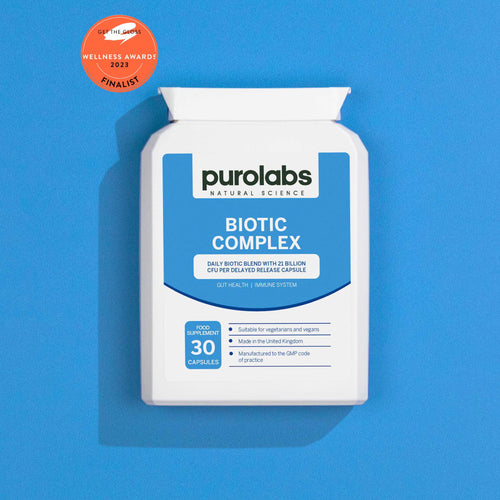
Biotic Complex
Frequently Asked Questions
Should I see a doctor before trying supplements for stomach pain?
If your pain is severe, persistent, or has changed character recently, or if it is accompanied by blood in the stool, fever, or unexplained weight loss, see a GP before trying any self-management approach. For mild to moderate episodic pain with a clear pattern (post-meal bloating, pre-menstrual cramping) dietary changes and targeted supplementation are a reasonable starting point alongside a symptom diary to bring to your GP if things do not improve within four to six weeks.
Can probiotics make stomach pain worse at first?
In the first one to two weeks of starting a probiotic, some people notice a temporary increase in bloating or discomfort as the gut microbiome adjusts. This is not harmful and typically resolves within two weeks. Starting with one capsule rather than the full dose and building up gradually reduces this initial adjustment period.
What is the best supplement for menstrual stomach pain?
Magnesium has the strongest evidence for reducing menstrual pain through its effect on smooth muscle relaxation and prostaglandin synthesis. Ginger extract is also well-evidenced. Purolabs Hormonal Balance combines both (magnesium bisglycinate and ginger extract) alongside Vitamin B6 and chromium for comprehensive cyclical symptom support.
How long should I keep a food diary?
Two to three weeks is the minimum to identify meaningful patterns. Food sensitivities often have a one to four hour delay between eating the trigger and symptoms appearing, and responses may not be consistent across every exposure. A diary that records what you ate, timing, stress level, menstrual cycle day (if relevant), and symptom onset gives you and your GP or nutritionist the clearest picture. Remember that food sensitivities don't always show up as gut symptoms — tracking mood and energy levels alongside physical symptoms can reveal connections that would otherwise go unnoticed.
Is bloating always connected to stomach pain?
Bloating and stomach pain frequently occur together but can happen independently. Bloating without pain often points to fermentation in the colon from poorly digested carbohydrates. Pain without bloating is more suggestive of stomach lining or smooth muscle involvement. Tracking both symptoms alongside a food diary helps clarify the underlying mechanism.