
 Beauty
 Bone Health
 Brain Health
 Energy
 Eye Health
 Gut Health
 Hair
Hair
 Hormonal Health
 Heart Health
 Immunity
 Joints
 Menopause
 Pregnancy
 Kids
Kids
 Sleep
Sleep
 Stress & Mood








Hair loss or deteriorating hair quality following surgery, illness, or prolonged digestive problems is most often a nutrient absorption issue rather than a hair problem. When the gut cannot absorb nutrients efficiently — due to gastric bypass, post-infection microbiome disruption, Crohn's disease, prolonged antibiotic use, or IBS — the hair follicle is among the first tissues to suffer, because hair growth is metabolically expensive and the body deprioritises it when nutrient supply is limited. Restoring gut function is the essential first step. Topical treatments and hair supplements help, but produce limited results without addressing absorption first.
Hair loss following surgery, a prolonged illness, or a period of significant digestive disruption is a pattern many people experience and often misunderstand. The instinct is to address the hair directly — trying intensive oils, high-dose biotin, or keratin treatments — without examining why the hair is suffering in the first place. In most cases of post-surgical or gut-related hair loss, these surface-level approaches produce only limited improvement because the problem is systemic: the body cannot supply the hair follicle with the nutrients it needs to sustain normal growth.
Understanding the gut-hair connection, and what to prioritise to actually resolve it, starts with the mechanism.
Why the Gut Determines Hair Quality
Hair is one of the fastest-growing tissues in the body. Each follicle cycles through growth phases every two to seven years, and this rapid cellular turnover demands a continuous supply of specific nutrients: amino acids (the building blocks of keratin, the structural protein of the hair shaft), zinc, biotin, iron, selenium, and B vitamins including B12 and folate. Every single one of these nutrients must be absorbed from the digestive tract before the body can use them.
When the gut is compromised — whether by surgery that reduces its absorptive surface area, by an infection that damages the mucosal lining, by a disrupted microbiome following antibiotic treatment, or by chronic inflammatory conditions including Crohn's or coeliac disease — absorption of these nutrients is impaired. Food and supplements arrive, but fail to cross the gut wall in adequate quantities.
The body responds to nutritional insufficiency by prioritising essential functions: organ function, immune response, hormone production. Hair growth is biologically non-essential and metabolically expensive. Resources are redirected away from the hair follicle, growth slows, and shedding increases. This is why hair loss typically becomes noticeable two to four months after the triggering event: the follicles that were deprived of nutrition continue briefly, then begin to shed.
Conditions That Create This Pattern
While this question originally came from someone who had undergone gastric bypass surgery, the same mechanism applies across a range of conditions that compromise gut function and nutrient absorption.
- Gastric bypass and other bariatric surgeries: physically reduce the stomach's size and alter the digestive pathway, significantly impairing absorption of zinc, B12, iron, folate, and protein
- Prolonged antibiotic courses: disrupt the gut microbiome substantially, impairing the bacterial processes involved in B vitamin synthesis and nutrient absorption
- Post-viral gut disruption: infections including norovirus, campylobacter, and COVID-19 can cause prolonged microbiome disruption and altered gut permeability
- Crohn's disease and ulcerative colitis: chronic gut lining inflammation directly impairs nutrient absorption across all nutrient groups
- Coeliac disease (undiagnosed or poorly managed): gluten triggers immune destruction of the intestinal villi responsible for absorption
- Small intestinal bacterial overgrowth (SIBO): abnormal bacterial populations in the small intestine compete for nutrients and damage the gut lining
- Significant IBS with gut permeability disruption: affects the gut barrier's efficiency at moving nutrients from the gut lumen into the bloodstream
Why Treating the Hair Directly Often Falls Short
If you apply a biotin-enriched scalp oil or take a high-dose biotin supplement without first addressing gut absorption, you are attempting to deliver a building material to a factory whose delivery system is broken. Some benefit may occur through topical absorption at the scalp, but the systemic nutrient status that hair follicles actually run on is not meaningfully restored by what is applied externally.
This does not mean topical approaches have no value; they do, as an adjunct. Rosemary oil applied directly to the scalp has emerging evidence for supporting follicle health, with some studies showing efficacy comparable to minoxidil for hair density. Regular scalp massage (two to four minutes daily) improves blood flow to follicles. But these are secondary measures. Gut function comes first.
Similarly, high-dose oral biotin supplementation without gut support produces limited results if the gut cannot absorb biotin efficiently. Restoring gut function makes every subsequent intervention — dietary, topical, and supplemental — significantly more effective.
Step 1: Restore Gut Function
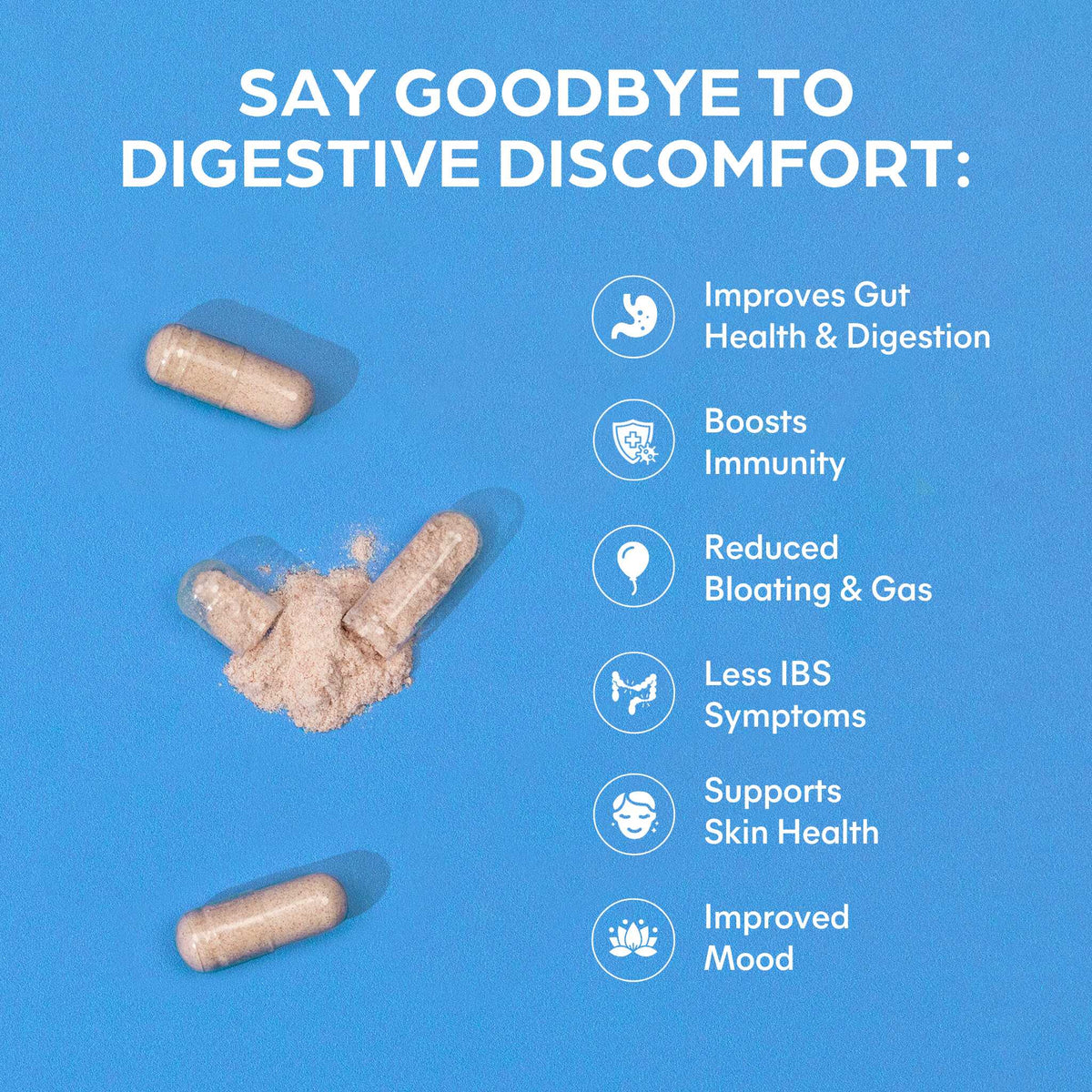
For post-antibiotic or post-illness microbiome disruption, a high-quality, multi-strain probiotic is the most evidence-backed starting point. Probiotics help restore beneficial bacterial populations, reduce dysbiosis-driven inflammation of the gut lining, and support the gut barrier function through which nutrients are absorbed into the bloodstream.
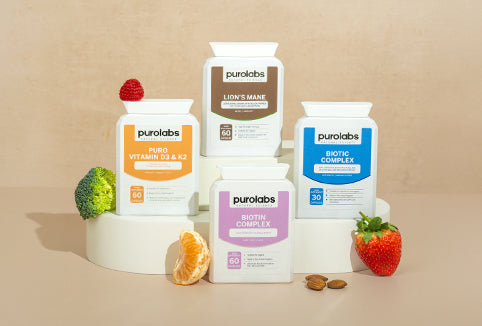
Provides 21 billion CFU across 15 clinically-studied strains in a delayed-release capsule, ensuring bacteria survive stomach acid to reach the gut intact. It includes 200mg of sugar beet prebiotic fibre to sustain and nourish the bacteria once there, and contains no synthetic additives. Vogue named it their recommended vegan probiotic.
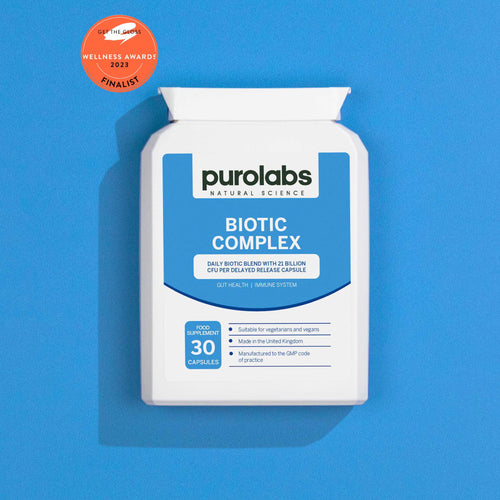
Biotic Complex
Supporting gut lining integrity also involves dietary measures: prebiotic fibre-rich foods (garlic, onions, leeks, artichokes, oats) to feed beneficial bacteria; sufficient protein to provide the amino acids the gut lining needs to maintain itself; reducing ultra-processed foods and alcohol; and managing chronic stress, which increases gut permeability through the gut-brain axis.
For post-bariatric patients specifically: supplementation protocols should be managed in close consultation with the surgical team. Bariatric patients typically require nutrients at doses significantly above standard supplementation levels to compensate for reduced absorption (particularly B12, whether injection or sublingual, along with iron, zinc, and fat-soluble vitamins). If your bariatric team has not provided a specific protocol, ask for one directly.
Step 2: Target Hair-Specific Nutrients
Once gut absorption is improving, targeted nutritional support for hair follicles becomes genuinely more effective. The key nutrients are:
Biotin (Vitamin B7)
Biotin is the most well-known hair supplement nutrient, and the evidence for it is most relevant in people with biotin deficiency or impaired gut bacterial synthesis of biotin (which normally provides a meaningful proportion of daily requirements). Biotin contributes to the maintenance of normal hair under EFSA-approved claims, and supports keratin production. Post-surgical and post-illness patients are at higher risk of biotin deficiency than the general population.
Provides 10,000mcg of pure biotin — one of the highest-strength formulations on the UK market — alongside Vitamin C (for collagen synthesis and iron absorption), zinc (contributes to maintenance of normal hair), and selenium (contributes to normal hair maintenance and protects cells from oxidative stress). Hair Magazine named it Best Hair Supplement 2024, and the Evening Standard called it an advanced formulation.
"I am seven months into taking these Biotin tablets and the difference in my hair is insane; the thickness, health, and length have all changed dramatically. Diamonds in a bottle for hair."
Elizabeth, verified Purolabs customer
"After two months taking these, the results are amazing. My hair is the thickest it has ever been. Before taking biotin my hair snapped and was fragile; now it is the best it has ever been."
Emma L., verified Purolabs customer

Biotin Complex
Zinc
Zinc is essential for cell division and protein synthesis, both required for hair follicle cell proliferation. Zinc deficiency is strongly associated with hair shedding, and is particularly common in post-surgical patients and those with gut malabsorption conditions. Zinc bisglycinate is the most bioavailable form, which matters when gut absorption is already compromised.
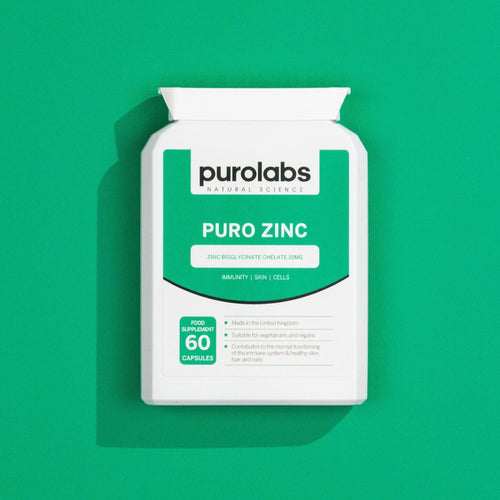
Zinc
Iron
Iron deficiency is one of the most common nutritional causes of hair shedding in women, and post-surgical patients are at particular risk due to reduced stomach acid (needed to convert dietary iron into an absorbable form) and reduced absorptive surface area. Hair loss from iron deficiency typically resolves with treatment once ferritin levels are restored, but takes several months to become visible. Iron status (specifically ferritin, not just haemoglobin) should be confirmed by blood test before supplementing, as supplementing iron without deficiency carries its own risks.

Iron Complex
Protein
Hair is almost entirely composed of protein. Adequate daily protein intake (at minimum 0.8g per kg of body weight, often higher during recovery) provides the amino acids that are the literal building blocks of the hair shaft. No supplement programme fully compensates for insufficient dietary protein. This is worth checking honestly: many people eating a reduced diet after surgery or illness are not meeting even basic protein requirements.
A Practical Timeline
| Timeframe | What to Focus On | Expected Changes |
|---|---|---|
| Weeks 1 to 4 | Start probiotic; address dietary protein; begin biotin and zinc | Shedding rate may not change yet; gut discomfort may improve |
| Weeks 4 to 8 | Continue gut support; add iron if blood test confirms deficiency; scalp massage daily | Shedding often begins to reduce; energy may improve as nutrient status improves |
| Months 2 to 3 | Consistent supplementation; gut health stabilising | Reduction in shedding noticeable; early new growth may appear at hairline |
| Months 3 to 6 | Maintain full routine; recheck iron, ferritin, and B12 if possible | Visible improvement in density and texture; growth cycle normalising |
| Months 6 to 12 | Ongoing maintenance; reduce to standard doses once stable | Progressive improvement in hair thickness; full recovery of pre-illness density possible |
Frequently Asked Questions
Will biotin supplements help if my hair loss is from gut problems?
Biotin supplementation is more effective when combined with gut support. If your gut cannot absorb nutrients efficiently, even high-dose biotin will produce limited results in isolation. The most effective approach is to work on restoring gut function alongside supplementing with biotin, zinc, and other hair-specific nutrients. Visible improvement typically becomes apparent at two to three months of consistent combined support.
How do I know if my hair loss is from gut absorption problems?
The pattern is suggestive: hair loss beginning two to four months after surgery, significant illness, or a period of gut disruption, appearing alongside other signs of nutritional deficiency such as fatigue, brittle nails, or poor skin, is highly likely to be absorption-related. Blood tests for ferritin, B12, zinc, and Vitamin D can confirm deficiencies and help direct supplementation. Ask your GP specifically for ferritin (stored iron) rather than just haemoglobin, as the latter can be normal even when ferritin is depleted.
What should I avoid supplementing after gastric bypass?
Post-bariatric supplementation should be managed with your surgical team, who will typically provide a protocol. Avoid iron supplementation without confirmed deficiency. Use calcium citrate rather than calcium carbonate post-surgery — calcium citrate does not require stomach acid for absorption, calcium carbonate does. Avoid fat-soluble vitamins in standard tablet or capsule form without confirming with your team that doses are appropriate for your level of absorption.
Can stress cause the same type of hair loss?
Yes. Severe or prolonged stress triggers telogen effluvium, a hair loss pattern physiologically similar to post-surgical hair loss, where follicles shift into a resting phase and shed two to four months after the stressor. Chronic stress also impairs gut function through the gut-brain axis, so stress-related hair loss often has a nutritional component even without surgery or illness as a trigger. Addressing both the stress response and gut health produces better outcomes than either alone.
How long until I see results from gut and hair supplements?
Hair recovery is slow by the nature of the hair growth cycle. Most people notice a reduction in shedding within two to three months of consistent gut and nutritional support. Visible improvement in thickness and quality typically takes three to six months. Full recovery of pre-illness or pre-surgery hair density can take nine to twelve months. Consistency over time matters far more than the intensity of any single intervention.