 Beauty
 Bone Health
 Brain Health
 Energy
 Eye Health
 Gut Health
 Hair
Hair
 Hormonal Health
 Heart Health
 Immunity
 Joints
 Menopause
 Pregnancy
 Kids
Kids
 Sleep
Sleep
 Stress & Mood











You can reduce blood sugar spikes by changing how you build meals rather than cutting out entire food groups. Pair carbohydrates with fibre, protein and healthy fats, choose whole rather than refined carbohydrates, consider eating vegetables and protein before starchy foods, and take a short walk after eating. These simple habits help create a steadier rise and fall in blood glucose, which may support more consistent energy levels, improved satiety and fewer cravings throughout the day. Best of all, these approaches are practical, sustainable and do not require expensive gadgets or restrictive diets.
Blood sugar spikes have become one of the biggest nutrition trends. But how much of the advice is actually true?
Continuous glucose monitors have moved beyond diabetes care and into the wellness world. Social media is full of influencers sharing colourful glucose graphs, recommending vinegar shots before meals or suggesting that fruit is an unsuspecting culprit when it comes to dysregulated blood sugar.
Some of these ideas are based on genuine scientific observations. Others require far more nuance than outlined.
The good news is that you absolutely do not need to obsess over every fluctuation in your blood sugar or eliminate foods you enjoy. For most healthy people, blood glucose naturally rises after eating before returning to normal. This is exactly what your body is designed to do.
Where nutrition can make a real difference is in reducing unnecessarily large or rapid spikes, particularly those driven by highly refined foods eaten in isolation. Building meals in a structured way can help create a gentler rise in blood glucose while also supporting fullness, energy and overall diet quality.
In this guide, we'll explore what actually causes blood sugar spikes, which popular strategies are supported by research, and the simple food habits that can make the biggest difference.
What Causes Blood Sugar Spikes?
Blood sugar spikes occur when glucose enters the bloodstream faster than the body can remove it. This is most likely after eating rapidly digested carbohydrates, particularly when they are consumed on their own.
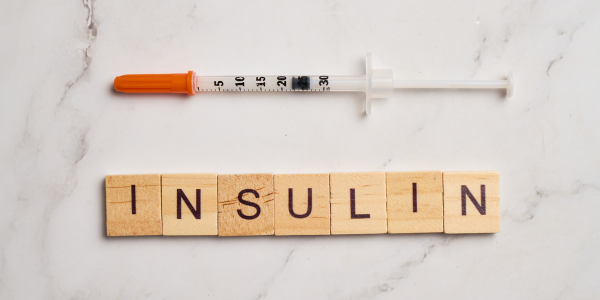
Whenever we eat carbohydrate-containing foods, our digestive system breaks them down into glucose. Glucose is then absorbed into the bloodstream, prompting the pancreas to release insulin. Insulin acts like a key, helping glucose move from the bloodstream into cells where it can be used for energy or stored for later.
A temporary post-prandial blood sugar spike is completely normal and essential for nutrient absorption.
The size of the rise depends on several factors, including:
- the type of carbohydrate eaten
- the amount consumed
- how much fibre the food contains
- whether protein or fat are eaten alongside it
- your activity levels
- individual factors such as sleep, stress and insulin sensitivity
Highly refined carbohydrates, such as sugary drinks, sweets, white bread and many pastries, are digested quickly. This means glucose enters the bloodstream rapidly, producing a sharper rise than foods rich in fibre and intact plant structures.
By contrast, wholegrains, pulses, vegetables and many minimally processed foods are digested more slowly. Their fibre and physical structure naturally slow digestion, leading to a steadier release of glucose.
It is also worth remembering that not every rise in blood sugar is harmful. Chasing an entirely "flat" glucose reading is neither realistic nor necessary. Instead, the goal is to build eating habits that encourage balanced, sustainable blood sugar responses over time.
How Do I Stop Blood Sugar Spikes?
The most effective way to reduce blood sugar spikes is to build balanced meals that combine carbohydrates with protein, healthy fats and fibre. This slows digestion and helps glucose enter the bloodstream more gradually.
Rather than fearing carbohydrates, consider which foods accompany them. One of the simplest ways to picture this is by imagining your plate divided into sections.
Aim for:
- approximately half your plate filled with colourful vegetables or salad
- one quarter containing a source of protein
- one quarter made up of wholegrain or minimally processed carbohydrates
- a serving of healthy fats where appropriate
This combination helps provide nutrients that work together to support healthy blood glucose.
Fibre Is Your First Line Of Defence
Dietary fibre is one of the most effective tools for supporting healthy blood glucose responses.
Soluble fibre absorbs water to form a gel-like consistency in the digestive tract. This naturally slows the movement of food through the stomach and small intestine, meaning glucose is absorbed at a steadier pace.
Excellent sources include:
- oats
- barley
- lentils
- chickpeas
- beans
- chia seeds
- flaxseeds
- apples
- pears
- berries
Many people in the UK consume considerably less fibre than recommended. Increasing fibre intake gradually, alongside adequate fluids, is one of the simplest dietary improvements most people can make.
Don't Overlook Protein
Protein helps make meals more satisfying and can slow gastric emptying when eaten alongside carbohydrate-rich foods.
Good everyday choices include Greek yoghurt, eggs, poultry, fish, tofu, beans and lentils.
Rather than eating toast on its own, for example, try topping it with eggs or cottage cheese. Instead of fruit juice and cereal, consider Greek yoghurt with berries, oats and chopped nuts. This makes a considerable difference when it comes to blood glucose response.
These small changes create a meal that is more nutritionally balanced without making eating feel restrictive.
Healthy Fats Play A Supporting Role
Healthy fats also contribute to slower digestion and help keep meals satisfying.
Useful options include:
- avocado
- extra virgin olive oil
- nuts
- seeds
- nut butters
- olives
Because fats are energy dense, portion size still matters. The aim is balance instead of adding large quantities to each meal. A breakfast of porridge topped with berries, walnuts and natural yoghurt, for example, offers fibre, protein and healthy fats in one bowl.
The result is often a steadier source of energy than highly refined breakfast cereals alone.
Does Eating Carbs Last Help?
Yes, eating vegetables and protein before carbohydrate-rich foods may help reduce the rise in blood glucose after a meal. The evidence is promising, although it is not a magic solution and should be viewed as one helpful strategy within an overall balanced diet.
The concept of "food order" has gained significant attention on social media in recent years, but unlike many viral nutrition trends, it does have a growing body of scientific research behind it.
Several studies have found that eating fibre-rich vegetables first, followed by protein and healthy fats, before consuming starchy carbohydrates can slow the rate at which glucose enters the bloodstream. Researchers believe this happens because fibre and protein delay gastric emptying and influence the release of hormones involved in blood sugar regulation.
For example, take two identical meals consisting of grilled chicken, roasted vegetables and rice.
Meal one:
- Rice eaten first
- Chicken second
- Vegetables last
Meal two:
- Vegetables first
- Chicken second
- Rice last
Although the nutrients are identical, some studies suggest the second meal may produce a smaller glucose rise.
That said, the evidence is still evolving. Most studies have involved relatively small numbers of participants, and responses vary between individuals. Food order should therefore be seen as a useful tactic rather than a strict rule.
If remembering food order feels stressful or impractical, don't worry. Building balanced meals remains far more important than worrying about the exact sequence in which foods are eaten. A simple way to apply this habit naturally is to begin meals with a side salad, vegetable soup or steamed vegetables before moving on to your main meal.
What Snacks Don't Spike Blood Sugar?
Snacks that combine protein or healthy fats with fibre tend to produce a steadier blood glucose response than refined carbohydrates eaten on their own.
Many common snack foods are based almost entirely on rapidly digested carbohydrates. Biscuits, cereal bars, pastries and sweets can provide a quick burst of energy, but they often leave people feeling hungry again not long afterwards.
Try These Balanced Snack Ideas
Greek yoghurt with berries
Greek yoghurt provides protein, while berries contribute fibre and naturally occurring sugars.
Apple slices with almond butter
The apple supplies fibre, while the healthy fats and protein from almond butter help make the snack more satisfying.
Vegetable sticks with hummus
Carrot, cucumber, celery or peppers paired with hummus offer fibre, protein and healthy fats.
A handful of mixed nuts
Nuts are naturally rich in unsaturated fats, protein and fibre, making them one of the simplest convenient snacks.
Edamame beans
These provide both plant protein and fibre, making them particularly filling.
Boiled eggs with cherry tomatoes
A high-protein option that can help keep hunger at bay between meals.
Cottage cheese with cucumber or tomatoes
A simple combination that provides protein alongside fresh vegetables.
Smarter Everyday Swaps
Often, the easiest improvements come from small substitutions rather than complete dietary overhauls.
Instead of sugary breakfast cereal, try porridge topped with berries and chopped walnuts.
Instead of white toast with jam, try wholegrain toast with peanut or almond butter.
Instead of a plain croissant, try wholegrain toast with eggs and avocado.
Instead of crisps, opt for roasted chickpeas or mixed nuts.
None of these foods need to be labelled as "good" or "bad". Nutrition is rarely that black and white. The aim is simply to create meals and snacks that provide a better balance of nutrients, leaving you feeling fuller for longer while supporting steadier energy throughout the day.
Does A Walk After Eating Lower Blood Sugar?
Yes, a short walk after eating can help support a steadier blood glucose response. Even 10 to 15 minutes of gentle movement appears to be beneficial.
When your muscles contract during physical activity, they use glucose for energy. This means more glucose is taken out of the bloodstream and into muscle tissue, reducing the amount circulating after a meal.
The good news is that you do not need an intense workout to see benefits. A relaxed walk around the block after lunch or dinner, taking the dog out or even walking while making a phone call can all contribute.
This habit may also support digestion, improve daily activity levels and provide a welcome break from prolonged sitting.
If fitting in a walk is difficult, don't be discouraged. Regular movement throughout the day still matters, and every little bit counts.
A Note On Glucose Monitors And Supplements
Continuous glucose monitors, often called CGMs, have become increasingly popular among people without diabetes. They can offer fascinating insights into how your body responds to different foods, exercise, sleep and stress.
However, they are not essential for good nutrition.
Glucose responses vary naturally from one person to another, and even within the same individual from one day to the next. Factors such as sleep quality, stress levels, hydration, illness and previous meals can all influence readings.
Without the right context, it is easy to overinterpret normal fluctuations or unnecessarily restrict nutritious foods. For most people, focusing on the foundations of healthy eating will have a far greater impact than chasing perfectly flat glucose graphs.
Similarly, while you may have seen supplements promoted online for blood sugar management, food and lifestyle should always come first. A balanced diet rich in vegetables, wholegrains, legumes, fruit, lean proteins and healthy fats provides the foundation for metabolic health.
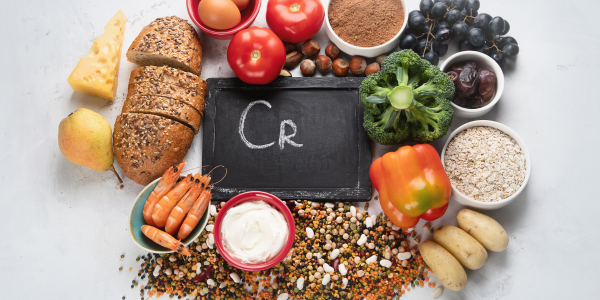
If you are interested in learning more about nutrients involved in normal blood glucose metabolism, our guide to chromium explores the science behind this essential mineral. For a broader overview of blood sugar regulation and metabolic health, see our pillar guide on understanding blood glucose.
Bringing It All Together
Simple habits such as building balanced plates, choosing whole rather than refined carbohydrates, pairing carbohydrates with protein, fibre and healthy fats, considering food order and taking a short walk after meals can all contribute to a steadier blood glucose response.
Importantly, these strategies also support overall diet quality. They encourage you to eat more vegetables, more fibre-rich foods and more minimally processed ingredients, all of which are associated with better long-term health.
Remember that your body is designed to handle changes in blood glucose. A rise after eating is completely normal. The goal is not perfection but consistency.
Instead of searching for quick fixes, focus on building habits that you can realistically maintain. Over time, these small changes often make the biggest difference.
Frequently Asked Questions
| Question | Answer |
|---|---|
| What causes blood sugar spikes? | Quickly digested carbohydrates, especially when eaten on their own, tend to cause a faster rise in blood glucose. Foods such as sugary drinks, sweets and refined grains are broken down rapidly, allowing glucose to enter the bloodstream quickly. However, how you combine foods also matters. Pairing carbohydrates with fibre, protein and healthy fats can help create a steadier blood glucose response. |
| How do I stop blood sugar spikes? | The most effective way to reduce blood sugar spikes is to build balanced meals rather than avoiding carbohydrates altogether. Aim to include a source of fibre, protein and healthy fats alongside carbohydrate-rich foods, choose whole rather than refined carbohydrates where possible, consider food order by eating vegetables and protein before starchy foods, and include light physical activity after meals when practical. |
| Does eating carbs last actually help? | Some studies suggest that eating vegetables and protein before refined carbohydrates can help reduce the rise in blood glucose after a meal. The evidence is promising, although it is not yet conclusive. Food order should be viewed as one helpful strategy alongside an overall healthy, balanced diet rather than a rule that needs to be followed perfectly. |
| What snacks don't spike blood sugar? | Snacks that combine protein or healthy fats with fibre tend to produce a gentler blood glucose response than refined carbohydrates eaten on their own. Examples include Greek yoghurt with berries, vegetable sticks with hummus, a handful of mixed nuts, apple slices with nut butter, boiled eggs or edamame beans. |
| Does walking after eating help? | Yes. A short walk after meals is one of the simplest and best-studied ways to support steadier blood glucose. Even 10 to 15 minutes of gentle walking can encourage muscles to use circulating glucose for energy, helping to reduce the post-meal rise while also contributing to your daily activity levels. |
| Do I need a glucose monitor? | No. Continuous glucose monitors can provide interesting insights into how your body responds to food and lifestyle factors, but they are not necessary for most healthy people. The biggest improvements in blood sugar management come from consistent dietary habits, regular physical activity and an overall balanced lifestyle, rather than relying on technology. |