









Timing does matter, but not in a complicated way. The most important rules: fat-soluble vitamins (A, D, E, K) must be taken with a meal containing healthy fat; magnesium is most effective in the evening; iron absorbs best away from calcium and dairy; probiotics are best taken with food in the evening; and most water-soluble vitamins (B and C) are flexible. If you take prescription medication, leave at least three to four hours between your supplements and your medication dose.
One of the most common questions from customers is whether the time of day they take their supplements matters, and whether taking everything together is fine or whether certain combinations need separating. It is a reasonable question. You are spending money on supplements and you want to know they are actually working. Timing is one of those areas where the difference between good and poor practice is meaningful.
The core principle behind supplement timing comes from a saying nutritionists use often: it is not what you ingest, it is how well you absorb what you ingest that makes the difference. A supplement taken at the wrong time, alongside something that competes with its absorption, or without the conditions it needs to work, can be significantly less effective than the same supplement taken correctly.
This guide covers the key rules by supplement category and finishes with a practical daily routine you can follow from today.
The Fundamental Split: Fat-Soluble vs Water-Soluble
The single most important distinction in supplement timing is between fat-soluble and water-soluble nutrients, because they absorb through completely different mechanisms.
Fat-soluble vitamins (Vitamins A, D, E, and K) require dietary fat present in the gut at the time of ingestion to be absorbed properly. Without fat, they pass through largely unabsorbed. This means taking your Vitamin D, D3/K2, or any multivitamin containing these nutrients on an empty stomach or with a fat-free meal is not as effective as it could be. Always take fat-soluble vitamins with a meal that includes some healthy fat — avocado, eggs, olive oil, nuts, or oily fish all work well.
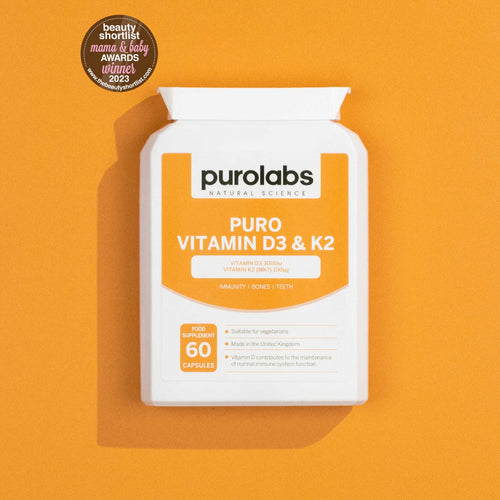
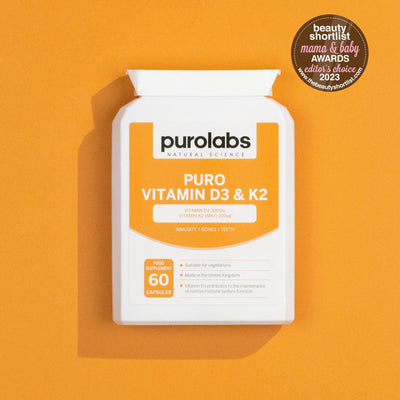
Vitamin D3 & K2
Water-soluble vitamins (B vitamins and Vitamin C) dissolve in water and do not require fat for absorption. They are considerably more flexible in terms of timing. However, B vitamins are mildly energising and can occasionally interfere with sleep if taken late at night, so morning or lunchtime is generally preferable.
Supplement-by-Supplement Timing Guide
| Supplement | Best Time | Key Reason | With Food? |
|---|---|---|---|
| Vitamin D3 / D3 and K2 | Morning or lunchtime | Fat-soluble; requires dietary fat for absorption | Yes, with a meal containing fat |
| Multivitamin | Morning or lunchtime with breakfast | Contains fat-soluble vitamins; B vitamins are energising | Yes, with food |
| Magnesium | Evening, 1 hour before bed | Promotes relaxation and sleep quality; supports overnight muscle recovery | Yes, with a small snack |
| Iron | Morning or midday | Absorbs best on a relatively empty stomach; separate from calcium | Away from dairy and calcium supplements |
| Vitamin C | Morning or alongside iron | Enhances iron absorption; water-soluble so flexible | Either, but useful taken with iron |
| Zinc | Morning or lunchtime | Can cause nausea on an empty stomach; separate from iron if taking both at high dose | Yes, with food |
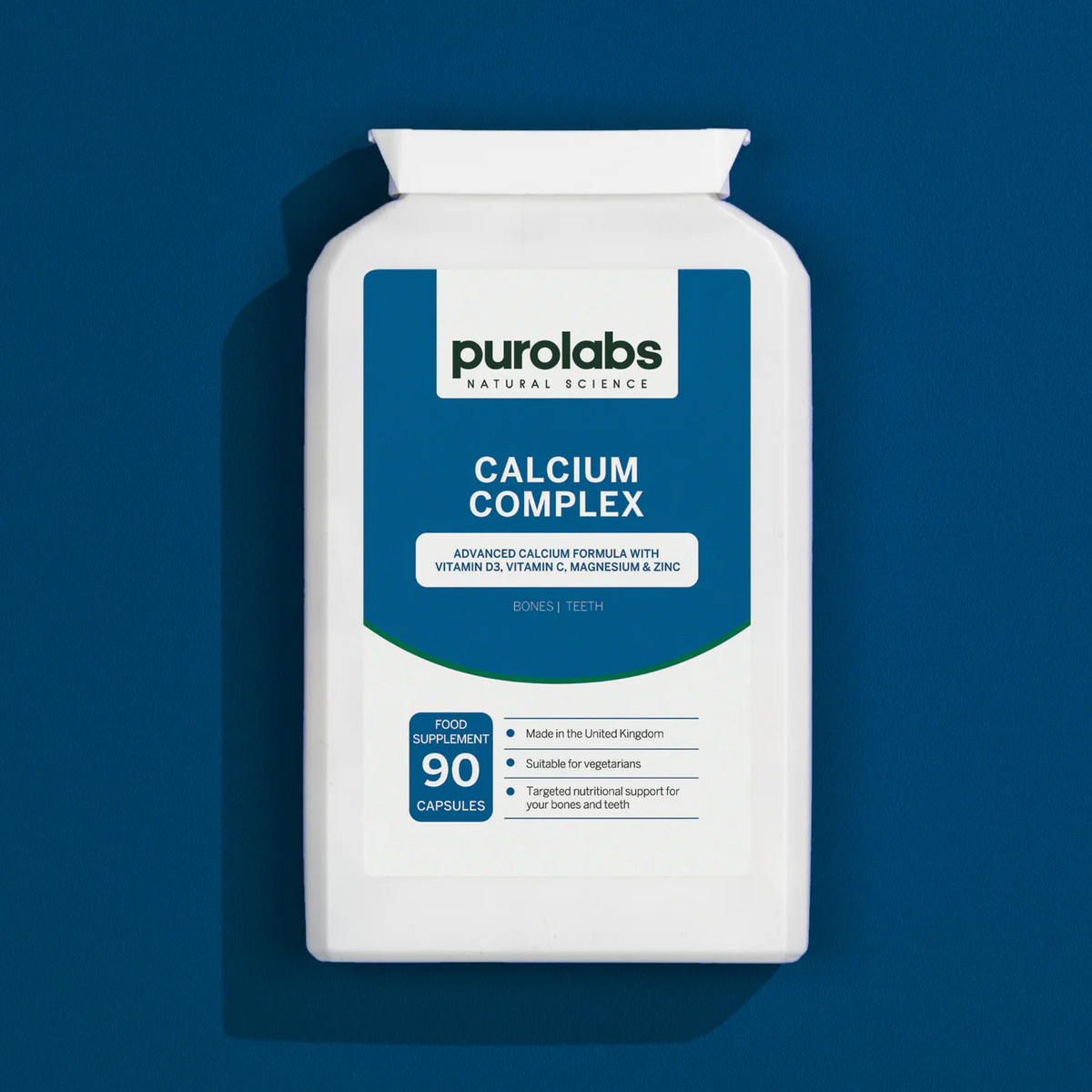
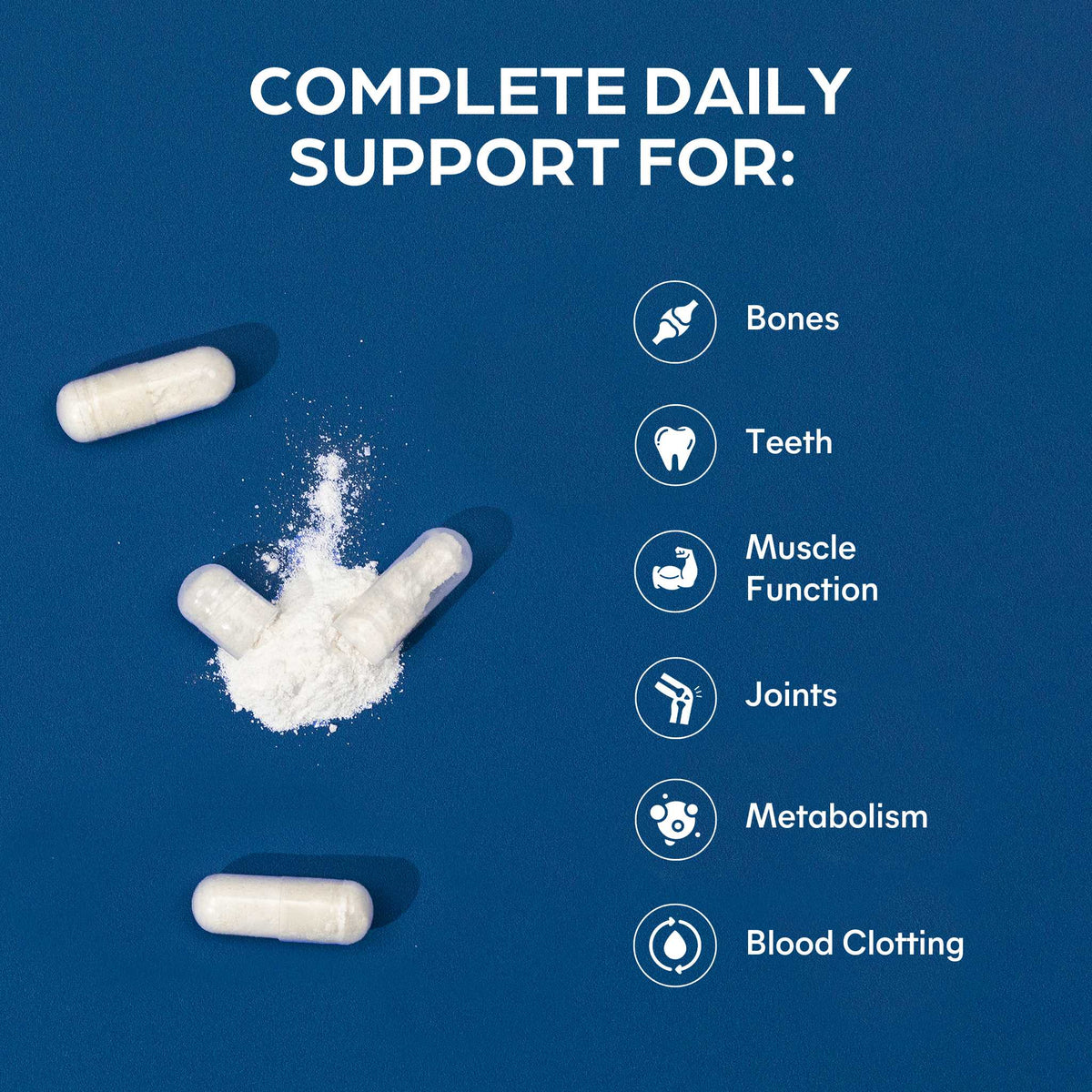
| Calcium | Evening | Should be away from iron and zinc; pairs well with Vitamin D at dinner | Yes, with a meal |
| Omega-3 (fish or algae oil) | With main meal | Fat-soluble; reduces fishy aftertaste when taken with food | Yes, with food |
| Probiotics | Evening with dinner | Allows bacteria to colonise overnight; stomach acid is lower after meals | Yes, with food |
| B Complex | Morning | Energising effect; supports daytime energy metabolism | Yes, with breakfast or lunch |
| Biotin | Morning with food | B vitamin; supports daytime energy and keratin pathways | Yes, with food or lunch |
| Collagen | Morning on empty stomach | Amino acid absorption may be better without competing proteins | Optional; some prefer with food |
The Most Important Separations
For most people, taking the majority of their supplements together at breakfast is perfectly fine. But a few specific separations make a genuinely meaningful difference.
Iron and calcium: always separate
Iron and calcium share the same intestinal transport proteins and directly compete for absorption when taken together. High calcium intake significantly reduces iron uptake. If you supplement both, take iron in the morning with a glass of orange juice (Vitamin C dramatically improves iron absorption) and take calcium with your evening meal, well away from iron. This applies equally to dairy: avoid taking iron with a milk-based drink or a yoghurt-heavy breakfast.

Iron Complex
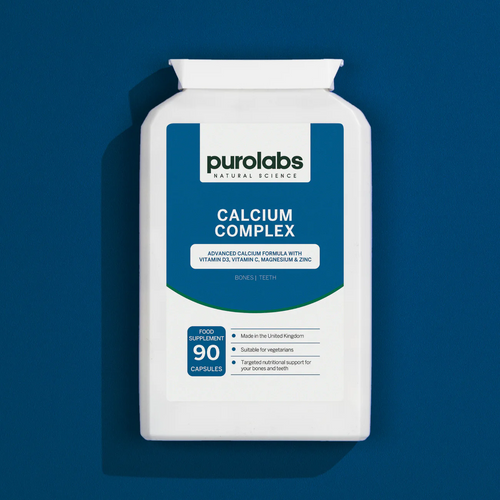
Calcium Complex
Iron and zinc: separate if at therapeutic doses
At the doses found in standard multivitamins, iron and zinc coexist without major problems. If you are supplementing either at higher, therapeutic doses for a specific deficiency, they compete for the same transporters. In this case, separate them by at least two hours, or take on alternate days.
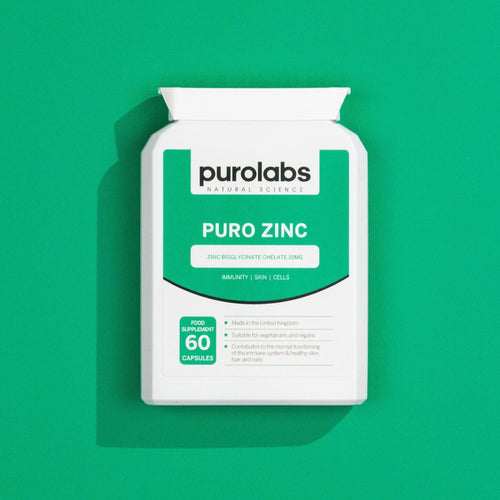
Zinc
Fat-soluble vitamins and fat-free meals
Worth repeating because it is one of the most common mistakes: taking Vitamin D, a D3/K2 supplement, or any multivitamin containing fat-soluble vitamins with a glass of water alone, or with a fat-free breakfast, substantially reduces their bioavailability. This matters because Vitamin D deficiency is endemic in the UK, and many people are supplementing without absorbing what they pay for.
Supplements and medications
This is the most clinically important consideration. Several common supplements interact with prescription medications in ways that matter to how both perform. Vitamin K can affect the efficacy of anticoagulants such as warfarin. High-dose fish oil can affect blood clotting. Magnesium and calcium can reduce the absorption of certain antibiotics. As a general rule, leave at least three to four hours between your supplements and any prescription medication dose, and always inform your GP and pharmacist of everything you take.
A Practical Daily Supplement Routine
Morning, with breakfast (include some healthy fat)
- Multivitamin or B Complex
- Vitamin D3 / D3 and K2
- Omega-3
- Vitamin C
- Biotin, Zinc, Collagen (if taking)
Midday, if supplementing iron
- Iron, with orange juice or Vitamin C, away from dairy
- Vitamin C if not taken at breakfast
Evening, with dinner
- Magnesium: 1 hour before bed is ideal for sleep support
- Calcium (if supplementing), separate from iron
- Probiotics: evening with a meal supports overnight colonisation
These are general guidelines for healthy adults. If you are managing a specific health condition, taking prescription medication, or are pregnant or breastfeeding, always discuss your supplement routine with your GP or a registered nutritionist.
Does Taking Everything Together Actually Cause Problems?
For a standard daily routine (multivitamin, Vitamin D, omega-3, magnesium) taking everything together at breakfast is not going to cause significant harm. The interaction effects described above become most meaningful at higher, therapeutic doses, or in the specific case of iron and calcium, which compete significantly even at standard doses.
The more important variable for most people is simply consistency: a supplement taken daily at a slightly suboptimal time will produce far better results than one taken at the theoretically perfect time but only intermittently. Build the habit first, then refine the timing.
Frequently Asked Questions
Can I take all my supplements at once?
For most standard supplements, yes. The main exceptions are iron and calcium, which should always be taken at separate meals, and fat-soluble vitamins, which need to be taken with a meal containing fat. If you take any prescription medication, leave at least three to four hours between supplements and your medication dose.
Is it better to take supplements in the morning or evening?
It depends on the supplement. B vitamins and energising nutrients are best in the morning. Magnesium is most effective in the evening as it supports sleep and muscle relaxation. Fat-soluble vitamins are best with your largest meal of the day. Probiotics are most effective taken in the evening with food.
Does it matter if I take supplements with coffee?
Coffee can reduce the absorption of iron and zinc, partly due to its tannin content, and caffeine may affect calcium absorption. It is best to take iron, zinc, or calcium supplements at a separate time to your morning coffee. Other supplements are less affected, though taking supplements with water or food is always preferable.
Should I take supplements with food or on an empty stomach?
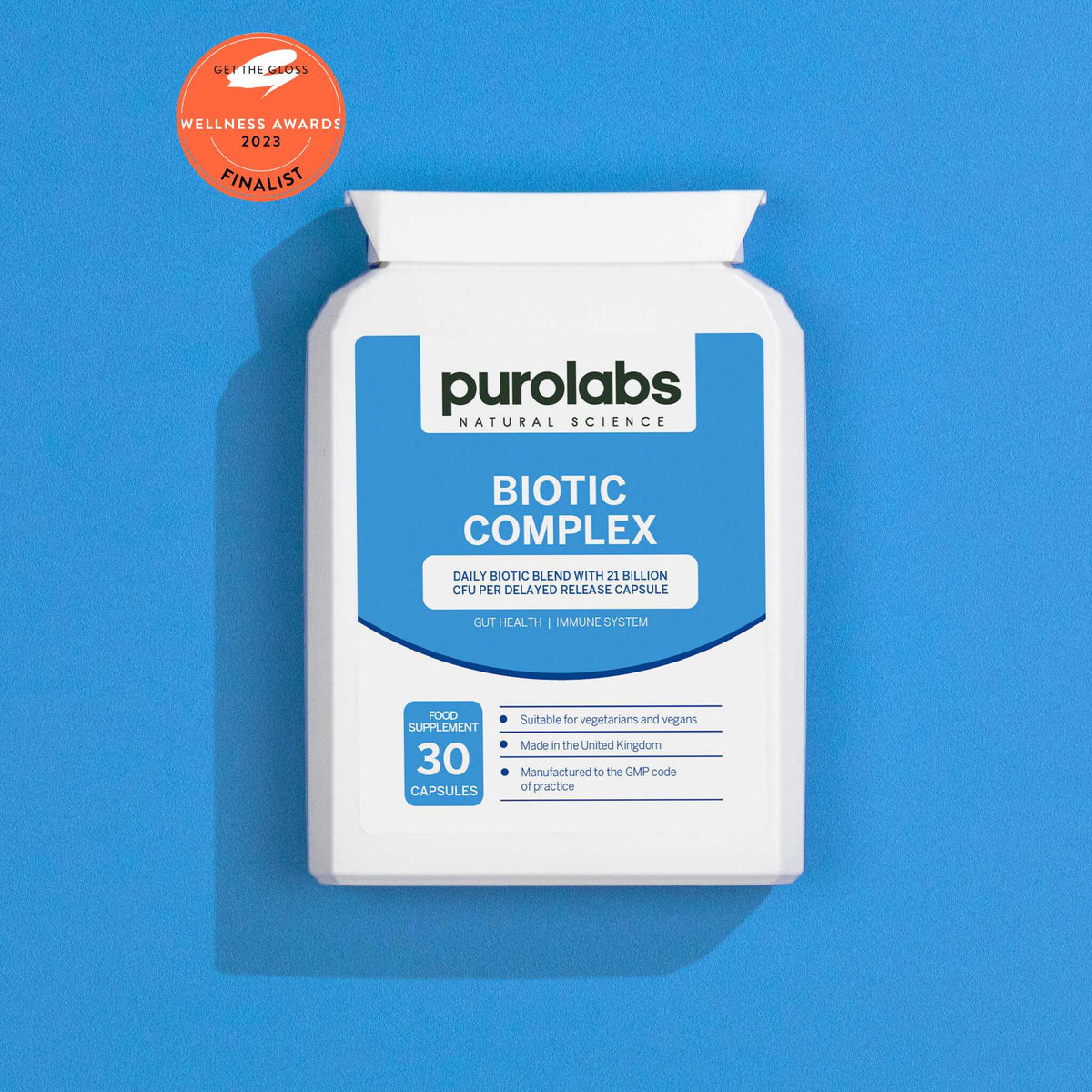
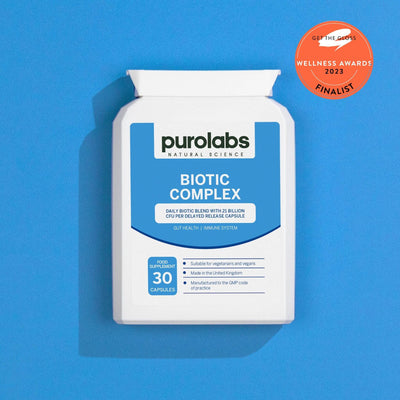
Most supplements are better taken with food: it reduces the risk of stomach discomfort, supports fat-soluble vitamin absorption, and is easier to maintain as a daily habit. The exceptions are collagen, where some evidence suggests better absorption on an empty stomach, and certain probiotics. Purolabs Biotic Complex is specifically formulated for use with food via its delayed-release technology.
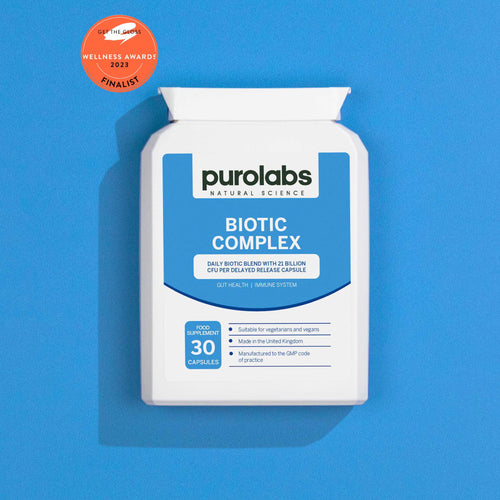
Biotic Complex
Can supplements interfere with each other?
Yes, some can. The key interactions to manage are iron and calcium (separate meals), iron and zinc at high doses (separate by two hours), and fat-soluble vitamins without dietary fat (always take with food). For a broader guide to which supplements work better together and which to separate, see our Supplement Stacking guide.