








Acid reflux is most often caused by impaired digestive function: food that ferments in the gut rather than being efficiently broken down and moved through. Addressing this root cause is more effective than managing symptoms alone. Key approaches include chewing food thoroughly, eating bitter and prokinetic foods, reducing snacking between meals, limiting water intake with meals, and supporting the gut microbiome with a quality probiotic. Dietary triggers such as caffeine, alcohol, and refined carbohydrates are worth identifying and reducing individually.
Acid reflux affects an estimated one in five adults in the UK regularly. The conventional response — reaching for an antacid to neutralise stomach acid — offers temporary relief but does not address why the reflux is happening. For many people, the root cause is not excess stomach acid but impaired digestive function, and that distinction changes what actually helps.
This guide explains the mechanism behind acid reflux, the dietary and lifestyle changes with the strongest evidence, and where targeted supplementation fits in. It is written for people who want to address the cause, not just manage the symptom.
What Is Actually Causing Your Acid Reflux?
Acid reflux occurs when stomach contents travel back up into the oesophagus. The immediate experience is heartburn (a burning sensation behind the breastbone) and sometimes a sour taste in the mouth or throat.
The conventional explanation is that the lower oesophageal sphincter — the muscular valve between the oesophagus and stomach — is not closing properly, allowing contents to escape upwards. But the question that follows is: why is this happening?
In many cases, the underlying issue is impaired digestion. When food is not efficiently broken down and moves too slowly through the digestive tract, it begins to ferment. This fermentation produces gas, which builds pressure in the stomach and forces the oesophageal sphincter open from below. The result is not excess acid causing the problem; it is gas pressure from poor digestion. This is why antacids reduce the burn but do not stop the reflux from recurring.
Other contributors include a weakened lower oesophageal sphincter (worsened by obesity, pregnancy, and certain medications), low stomach acid that counterintuitively slows digestion and causes fermentation, a disrupted gut microbiome, and specific dietary triggers that relax the sphincter or increase stomach pressure.
The Most Common Dietary Triggers
| Trigger | Why It Causes Reflux | What to Try Instead |
|---|---|---|
| Caffeine | Relaxes the lower oesophageal sphincter and increases stomach acid production | Reduce to one cup per day; try herbal teas after meals |
| Alcohol | Relaxes the sphincter and irritates the oesophageal lining directly | Limit or avoid; red wine, beer, and spirits are the highest-risk drinks |
| Refined carbohydrates and sugar | Feed fermentation-producing bacteria in the gut, increasing gas and upward pressure | Swap for wholegrains, vegetables, and legumes; consider low-FODMAP carbohydrates if symptoms are persistent |
| Large meals | Increase stomach pressure, particularly problematic when lying down soon after | Eat smaller portions; avoid eating within three hours of bedtime |
| Eating quickly | Reduces mechanical breakdown in the mouth; less-chewed food ferments more easily | Slow down; aim for 20 to 30 chews per mouthful before swallowing |
| High-fat fried foods | Delay gastric emptying, keeping food in the stomach longer where fermentation occurs | Choose healthy fats (avocado, oily fish, olive oil) over fried and processed fats |
| Carbonated drinks | Introduce gas directly into the stomach, increasing internal pressure | Switch to still water, herbal teas, or diluted juices |
What Actually Helps: Dietary and Lifestyle Approaches
1. Chew your food thoroughly
Digestion begins in the mouth. The mechanical breakdown of food by chewing, combined with the enzymes released in saliva, begins the process that the stomach must then complete. When food arrives in the stomach in large, poorly chewed pieces, the stomach works harder and fermentation risk increases. Aim for 20 to 30 chews per mouthful. It sounds tedious initially, but becomes habitual quickly and makes a measurable difference to digestive comfort.
2. Eat bitter foods before meals
Bitter compounds stimulate the production of digestive enzymes and bile, improving the stomach's capacity to break down food efficiently. Regular consumption of rocket, watercress, radicchio, kale, asparagus, and turmeric before or with meals supports digestive capacity. A small green salad before your main course is one of the most effective dietary habits for improving digestion. Ginger, which is also prokinetic, contains bitter compounds alongside its motility-enhancing effects.
3. Include prokinetic foods
Prokinetic foods help move food through the digestive tract more efficiently, reducing the time it spends in the stomach where fermentation can occur. Ginger is the most studied natural prokinetic, with evidence for accelerating gastric emptying and reducing nausea. Including fresh or powdered ginger in meals, or drinking ginger tea after eating, can meaningfully support gastric motility. Fennel seeds have prokinetic effects on the lower bowel. Note that peppermint tea can relax the oesophageal sphincter and may worsen reflux in some individuals, though enteric-coated peppermint oil capsules are a better-tolerated option worth testing.
4. Reduce water intake during meals
This is counterintuitive advice, but it is grounded in digestive physiology. The stomach requires an acidic environment to activate the enzyme pepsin that breaks down protein. Drinking large quantities of water with meals dilutes stomach acid and raises pH, impairing this process. A small amount of water with meals is fine, but the habit of drinking a full glass throughout eating reduces digestive efficiency. Hydrate well between meals instead.
5. Leave gaps between meals
The digestive system requires time to fully process each meal before the next arrives. Frequent snacking keeps the stomach in constant partial digestion and prevents the migrating motor complex (the intestinal housekeeping mechanism that clears residual food and bacteria between meals) from functioning. Aim for three to four hours between meals without snacking. This is one of the most impactful changes for people with chronic bloating and reflux.
6. Support the gut microbiome
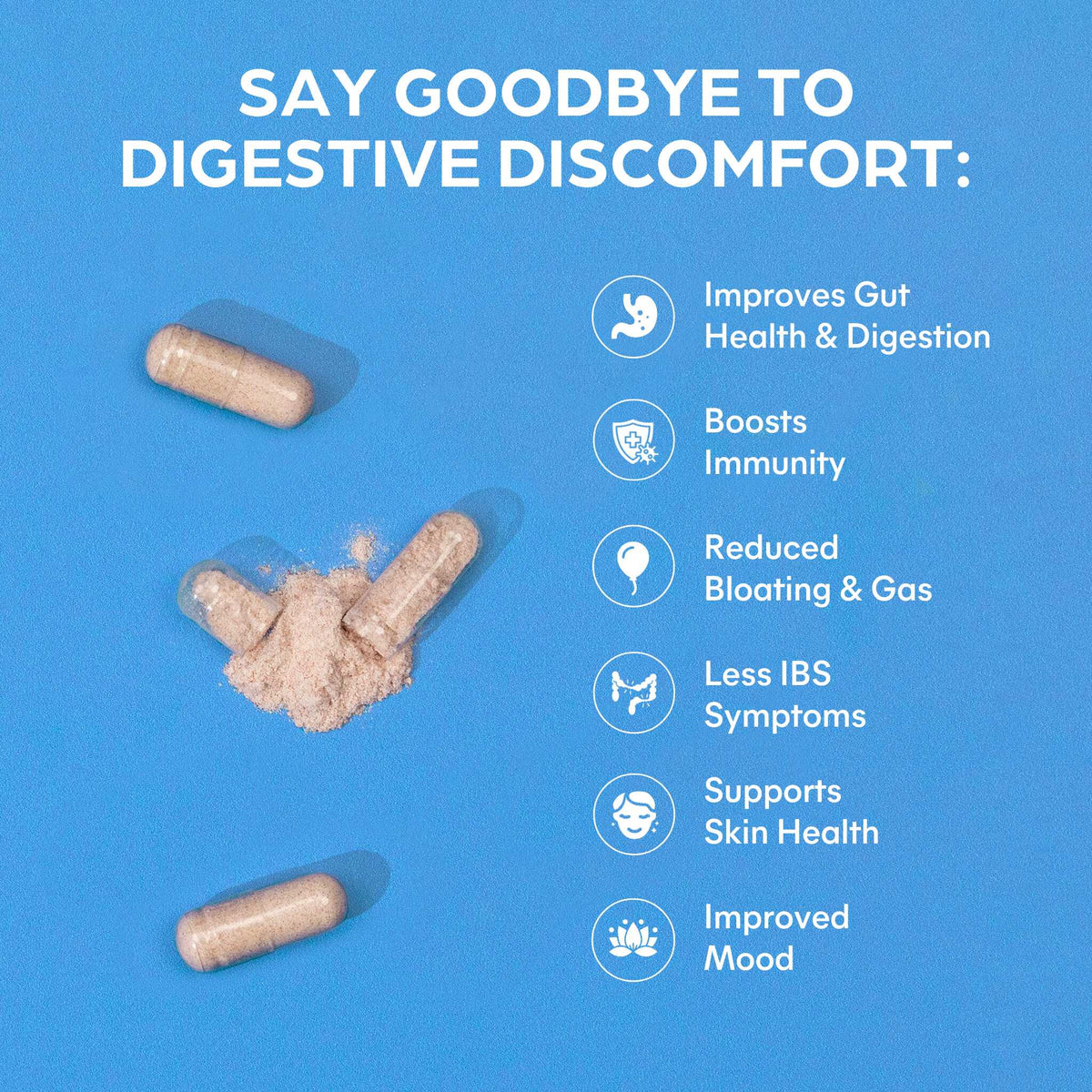
A disrupted gut microbiome contributes to acid reflux through multiple mechanisms: altered gut motility, increased fermentation from bacterial imbalance, and changes in gut-brain signalling that governs the oesophageal sphincter. A high-quality, multi-strain probiotic supports a balanced microbiome and helps restore normal digestive function, including appropriate gastric acid levels and gut motility.
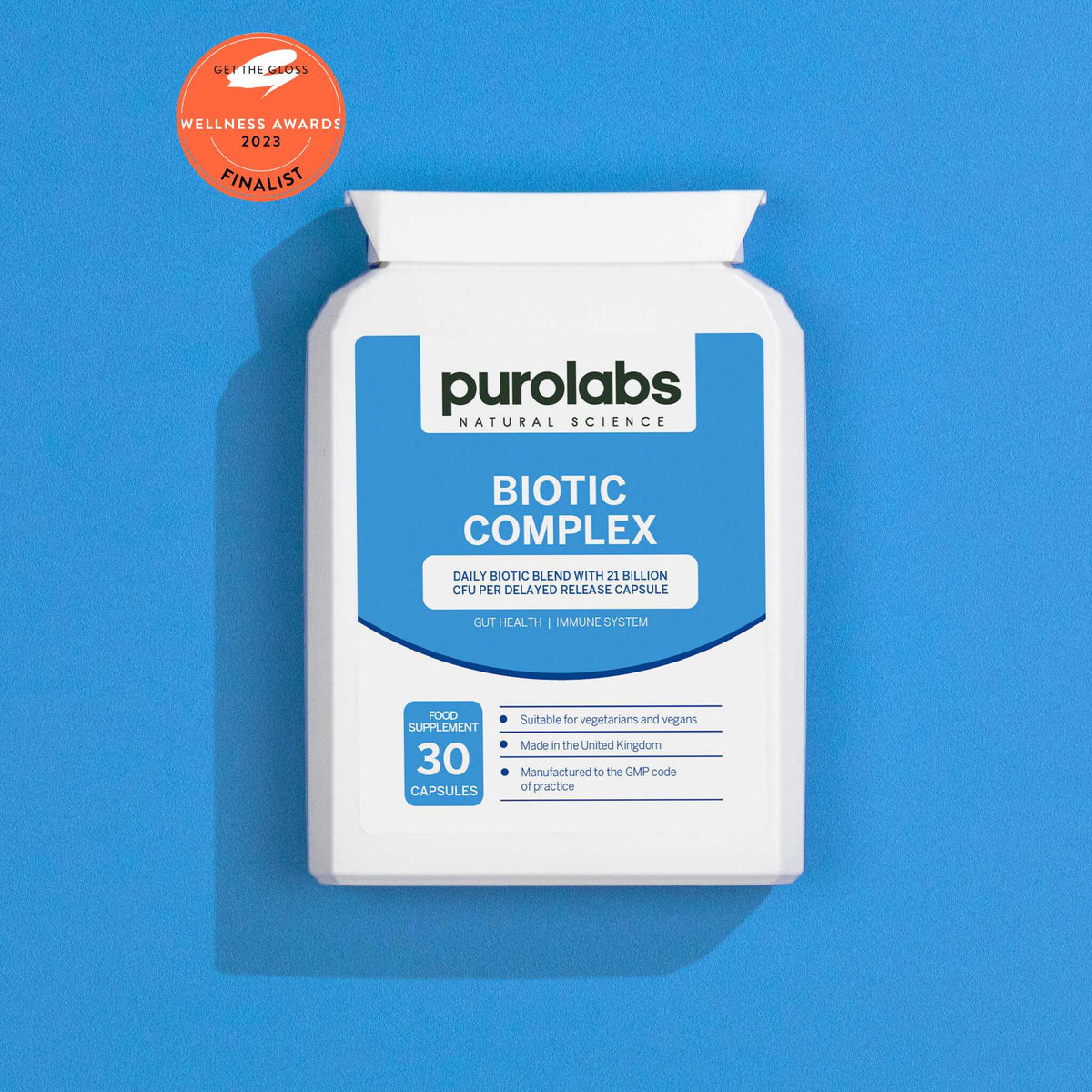
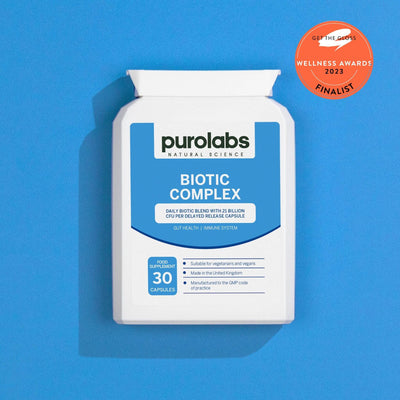
Provides 21 billion CFU across 15 clinically-studied strains in a delayed-release capsule, ensuring the bacteria survive the journey through stomach acid to reach the gut. It contains sugar beet prebiotic fibre to sustain the bacteria once there, and is free from all synthetic additives. Vogue named it their recommended vegan probiotic for its 21 billion CFU count and L. rhamnosus strain content.
"Cured my IBS symptoms. I can now eat anything since taking your biotic complex daily."
Howard W., verified Purolabs customer
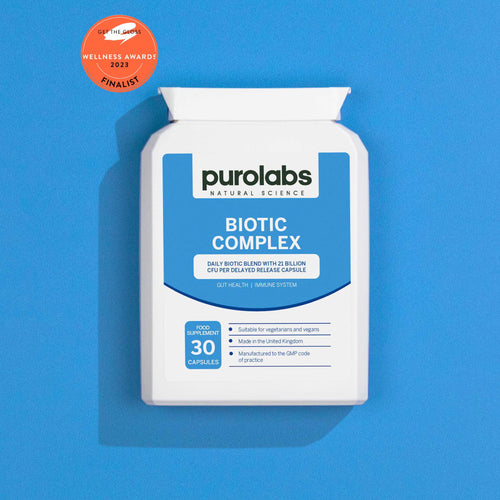
Biotic Complex
Lifestyle Factors That Make a Significant Difference
Beyond diet, several lifestyle factors have meaningful evidence for reducing acid reflux frequency and severity. Elevating the head of the bed by 15 to 20 centimetres reduces night-time reflux, as gravity helps keep stomach contents down during sleep. Avoiding food within three hours of lying down has similar rationale. Maintaining a healthy body weight reduces intra-abdominal pressure. And managing stress is more relevant than many people realise: cortisol impairs the mucosal lining of the gut and alters gastric acid secretion rhythms, and many people notice reflux worsens significantly during high-stress periods.
Tight clothing around the abdomen also increases stomach pressure, and this is a minor but real contributor for some people. Loose-fitting clothing and avoiding bending over immediately after meals reduces this effect.
Important: Reflux that persists despite dietary changes, reflux accompanied by difficulty swallowing, unexplained weight loss, pain that radiates to the jaw or arm, or symptoms that regularly disturb sleep should be assessed by a GP promptly. Long-term untreated reflux can cause changes to the oesophageal lining that require monitoring.
Frequently Asked Questions
Can probiotics help with acid reflux?
Yes. The gut microbiome influences gastric motility, fermentation rates, and the gut-brain axis signalling that governs digestive function. A disrupted microbiome contributes to the poor digestion that underlies most cases of acid reflux. A quality multi-strain probiotic supports restoration of normal gut function. Results typically become noticeable within four to eight weeks of consistent daily use. For a comprehensive approach, our gut health bundle combines probiotics with prebiotic fibre and digestive support. For more information, read our guide: A Beginners Guide To Probiotics.
Should I avoid all acidic foods if I have acid reflux?
Not necessarily. Some acidic foods, particularly citrus fruits and tomatoes, trigger reflux in sensitive individuals, but this varies considerably between people. More important than blanket avoidance is improving digestive function overall and identifying your personal triggers. A food diary for two to three weeks helps identify specific triggers far more reliably than generic avoidance lists.
Is acid reflux caused by too much stomach acid?
Not always, and this is a common misconception. Many cases of acid reflux involve normal or even low stomach acid, but that acid reaches the oesophagus because of pressure from below — from gas produced by fermentation in a sluggish gut. Antacids reduce the burn but can impair digestion further by reducing the stomach acid needed to break down food properly. Addressing digestive function is more effective as a long-term strategy.
Can stress cause acid reflux?
Yes. The gut-brain axis is bidirectional, and stress has measurable effects on digestive function: it slows gastric emptying, alters gut motility, and can reduce lower oesophageal sphincter pressure. This is why many people notice reflux worsens during periods of sustained pressure at work or during anxious phases. Managing the stress response through sleep, regular physical activity, and deliberate relaxation practices all contribute to digestive health.
How long does it take to improve acid reflux naturally?
Dietary changes often produce noticeable improvement within two to four weeks if implemented consistently. Microbiome changes from probiotic supplementation typically accumulate over four to eight weeks. Full resolution of chronic reflux through lifestyle changes alone can take two to three months, particularly if the gut microbiome requires significant rebalancing.