


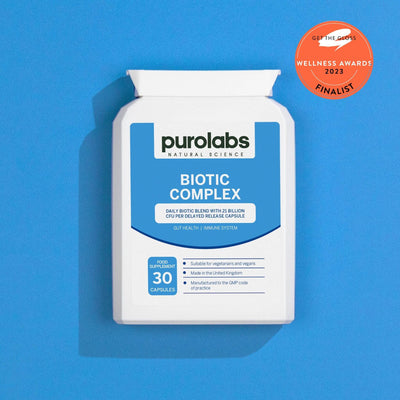


Supplements cannot shrink an enlarged prostate, but they can meaningfully support prostate health and help manage the inflammation that drives symptom severity. The strongest evidence supports zinc (deficiency is consistently linked to BPH), curcumin from turmeric (inhibits the key inflammatory pathway active in prostatic tissue), and antioxidant nutrients including CoQ10 and Vitamin C. These work best as part of a prostate-supportive diet and lifestyle, and should complement, not replace, medical assessment for any urinary symptoms.
Prostate health is something most men will encounter to some degree over their lifetime. The prostate gland grows naturally throughout adult life and commonly reaches a size in middle and older age that creates pressure on the urethra: difficulty starting urination, a weak stream, frequent trips to the bathroom at night, and a sense of incomplete bladder emptying.
These symptoms are associated with benign prostatic hyperplasia (BPH), a non-cancerous enlargement of the prostate that is distinct from prostate cancer, though the two can coexist. BPH is near-universal in older men: approximately 50% of men in their 50s and up to 90% of men in their 80s have some degree of prostatic enlargement. Any new or changing urinary symptoms should always be assessed by a GP.
Supplements will not reverse BPH or reduce prostate size. However, the evidence for their role in managing prostatic inflammation, supporting prostate cell health, and reducing symptom severity is meaningful and worth understanding clearly. Targeted men's health supplements can play a supportive role alongside medical care.
Why Inflammation Matters for Prostate Symptoms
Inflammation is a significant driver of how severely BPH symptoms present. Prostatic inflammation — arising from immune dysregulation, oxidative stress, dietary factors, or low-grade infection — aggravates the gland, causes swelling beyond the underlying structural enlargement, and intensifies the pressure on the urethra. Reducing this inflammatory component does not reverse the structural changes of BPH, but it can meaningfully reduce symptom severity, particularly for men with mild to moderate symptoms who are managing conservatively.
This is where anti-inflammatory and antioxidant supplementation has its strongest clinical rationale. The goal is to support the prostate's inflammatory environment nutritionally, as an adjunct to medical treatment rather than a replacement for it.
The Key Supplements and Their Evidence
Zinc
Zinc is more concentrated in prostate tissue than in any other organ in the body. Healthy prostate cells accumulate and retain zinc at exceptionally high levels, and this appears to be fundamental to normal prostate cell function. Research has consistently found that zinc concentrations in the prostate are significantly lower in men with BPH and prostate cancer compared to men with healthy prostates.
Multiple studies have linked chronically low zinc status to increased risk of prostatic hyperplasia. A review in the British Journal of Urology International found consistent associations between zinc deficiency and BPH, and supplementing to restore adequate zinc levels is one of the most evidence-supported nutritional interventions for prostate health. The form of zinc matters considerably: zinc bisglycinate is 43% better absorbed than zinc gluconate, and significantly better absorbed than the zinc oxide found in cheaper supplements.
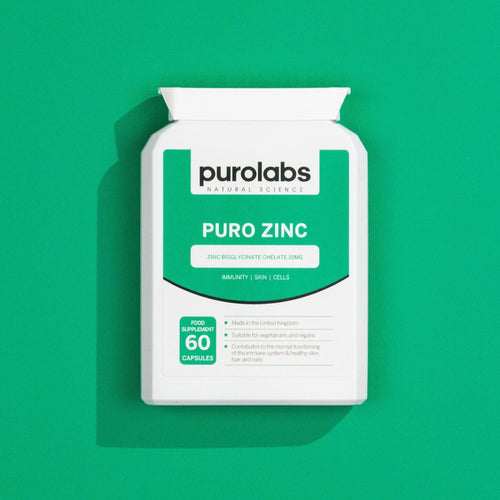
Purolabs Zinc provides 15mg (150% NRV) of zinc in the bisglycinate chelate form, gentle on the stomach and significantly more bioavailable than oxide or sulphate forms. Rated 4.8/5 from 130 reviews, and featured in BBC Good Food's best zinc supplements guide.
For more detail on why this mineral is so critical for men, read our guide: Why Take Zinc Supplements?
Zinc
Turmeric (Curcumin)
Curcumin, the active compound in turmeric extract, is one of the most studied natural anti-inflammatory agents available. Its relevance to prostate health comes through several mechanisms: it inhibits NF-kB, a key inflammatory signalling pathway that is activated in BPH tissue and implicated in prostate cancer development; it exerts antioxidant effects that reduce oxidative damage to prostate cells; and preliminary research suggests it may modulate the androgen signalling pathways involved in prostate cell proliferation.
A 2019 review in the Journal of Clinical Medicine found evidence that curcumin supplementation reduced markers of prostatic inflammation and symptom severity in men with BPH. The critical caveat is bioavailability: standard turmeric powder has very poor curcumin absorption. An effective supplement must provide a high-concentration extract (95% curcuminoids) alongside black pepper extract (piperine), which enhances curcumin absorption substantially. For an in-depth explanation of the difference, see our guide to Turmeric vs Curcumin.
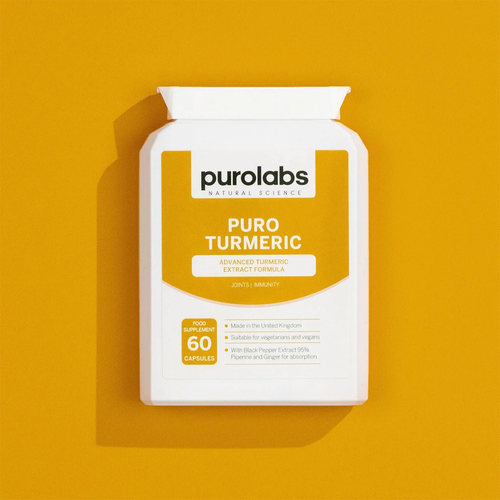
Purolabs Turmeric provides 600mg of 95% turmeric extract (570mg curcuminoids) alongside 10mg black pepper extract for enhanced bioavailability, and 80mg ginger root extract. This is significantly more potent and bioavailable than standard ground turmeric capsules, which typically provide far lower curcumin concentrations.
Turmeric
Coenzyme Q10 (CoQ10)
CoQ10 is an antioxidant produced naturally by the body and concentrated in tissues with the highest energy demands, including the prostate. Oxidative stress is a recognised driver of prostatic inflammation and cell damage over time. CoQ10 acts as a cellular antioxidant and an essential co-factor for mitochondrial energy production, and research has found that CoQ10 levels decline significantly with age.
Particularly relevant: statin medications, widely prescribed for cholesterol management, inhibit the same enzyme pathway through which the body synthesises CoQ10, causing significant depletion. Men taking statins are therefore at elevated risk of reduced cellular antioxidant capacity, making CoQ10 supplementation especially pertinent for this group.
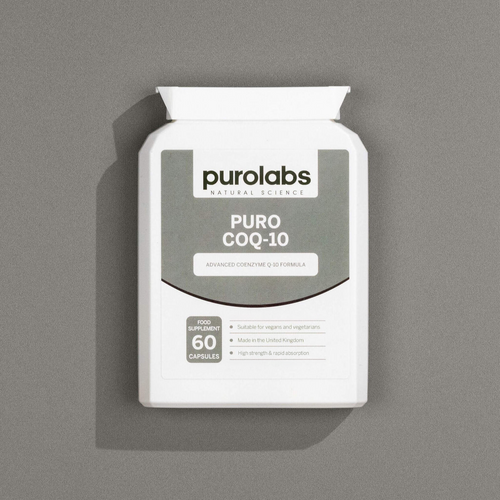
Purolabs CoQ10 provides 100mg of naturally fermented trans-form ubiquinone per capsule, the most bioavailable form and the one used in the majority of clinical research. Free from all synthetic additives and vegan-friendly.
"This supplement has literally been life-changing for me. I was suffering from chest pains and palpitations practically every day; this has all but stopped since taking CoQ10. I am amazed at how it has worked."
Alan M., verified Purolabs customer
Coenzyme Q10
Vitamin C
Vitamin C is a potent water-soluble antioxidant that contributes to immune function, reduces systemic inflammation, and supports collagen synthesis in connective tissue, including the tissue surrounding the prostate. It forms part of the broader antioxidant network protecting prostate cells from oxidative damage, and works synergistically with other antioxidants including Vitamin E and CoQ10.
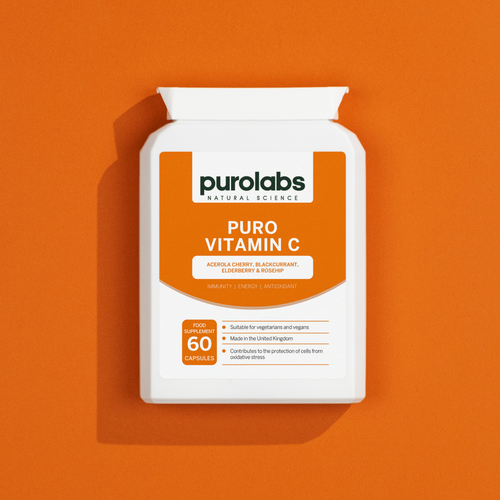
Purolabs Wholefood Vitamin C is sourced from acerola cherry and a botanical blend including rosehip, blackcurrant, and elderberry, rather than synthetic ascorbic acid. This wholefood form provides a broader spectrum of natural co-factors and is better tolerated by people who find synthetic Vitamin C causes digestive discomfort.
Vitamin C
Omega-3 Fatty Acids
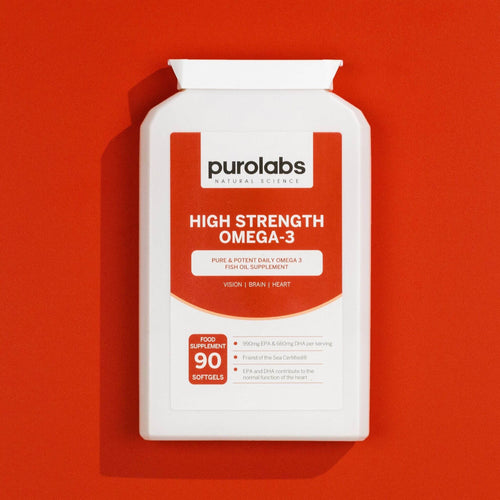
Omega-3 supplements provide anti-inflammatory support via prostaglandin pathway modulation, with broad systemic benefits for cardiovascular and cellular health. While prostate-specific trials are limited, the anti-inflammatory evidence is strong, and omega-3s complement the other supplements in this list as part of a comprehensive approach to reducing systemic inflammation.
Omega-3
The Evidence at a Glance
| Supplement | Mechanism in Prostate Health | Evidence Level | Purolabs Product |
|---|---|---|---|
| Zinc (bisglycinate) | Restores prostate zinc levels; supports normal cell function; anti-inflammatory | Strong, consistent across multiple studies | Zinc 15mg (bisglycinate form) |
| Turmeric (95% curcumin) | Inhibits NF-kB inflammatory pathway; antioxidant; potential androgen modulation | Moderate to strong, positive BPH symptom trial data | Turmeric with 95% extract and piperine |
| CoQ10 (ubiquinone) | Cellular antioxidant; mitochondrial energy support; particularly relevant for statin users | Moderate, via antioxidant and anti-inflammatory mechanisms | CoQ10 100mg naturally fermented |
| Vitamin C (wholefood) | Systemic antioxidant; collagen support; immune function; synergistic with other antioxidants | Moderate, supportive role rather than primary intervention | Wholefood Vitamin C (acerola cherry) |
| Omega-3 fatty acids | Anti-inflammatory via prostaglandin pathway modulation; broad systemic benefit | Moderate, limited prostate-specific trials but strong anti-inflammatory evidence | Omega-3 or Krill Oil |
Diet and Lifestyle Foundations
Supplementation works best within a diet that actively supports prostate health. The most prostate-supportive dietary patterns share common features: they are rich in vegetables (particularly cooked tomatoes, which provide lycopene, consistently associated with reduced prostate cancer risk in observational studies), cruciferous vegetables (broccoli, cauliflower, Brussels sprouts, which provide sulforaphane), oily fish, and minimally processed foods. High intake of red and processed meat, saturated fat, and alcohol is associated with increased prostatic inflammation and BPH severity.
Regular physical activity, particularly aerobic exercise, reduces systemic inflammation and has direct evidence for improving BPH symptom scores in clinical studies. It is one of the most impactful non-pharmaceutical interventions for prostate health, and combines well with nutritional supplementation.
When to See Your GP
All men over 50 should discuss prostate health with their GP, including whether PSA testing is appropriate for their individual risk profile. Supplements support the body's nutritional environment around the prostate; they do not substitute for this medical conversation. New or worsening urinary symptoms, blood in the urine, pain on urination, difficulty urinating, or any suspicion of prostate cancer risk (family history, elevated PSA) all require prompt medical assessment.
Frequently Asked Questions
Can supplements shrink the prostate?
Supplements cannot reverse the structural enlargement of BPH. What they can do is reduce the inflammation that aggravates symptoms, restore nutritional deficiencies (particularly zinc) that affect prostate cell function, and support the broader antioxidant environment. Medical treatments (alpha-blockers, 5-alpha reductase inhibitors, or surgery for advanced cases) are the interventions that directly address prostate size or its effect on urinary flow.
Is turmeric good for the prostate?
The evidence is promising. Curcumin inhibits NF-kB, a key inflammatory pathway active in BPH tissue, and has shown positive effects on symptom severity scores in BPH trials. The supplement must provide a high-concentration extract (95% curcuminoids) taken with piperine from black pepper. Standard turmeric powder does not provide curcumin at concentrations sufficient to produce the effects seen in research.
Why is zinc so important for the prostate?
Zinc is uniquely concentrated in the prostate at levels far higher than any other tissue. It plays a critical role in normal prostate cell function and metabolism, and deficiency is consistently associated with BPH. Ensuring adequate zinc intake is one of the most straightforward and evidence-supported nutritional steps a man can take for prostate health. The bisglycinate form is significantly better absorbed and gentler on the stomach than cheaper oxide forms.
Should men taking statins supplement with CoQ10?
There is a strong clinical rationale for doing so. Statins inhibit HMG-CoA reductase, the enzyme pathway through which the body synthesises both cholesterol and CoQ10. This means statin use reliably reduces CoQ10 levels, reducing cellular antioxidant capacity. Supplementing CoQ10 alongside statin medication helps maintain normal CoQ10 levels. For more detailed information, read our guide: Discover CoQ10: Your Must-Have Supplement. Always discuss with your GP or prescriber before making changes to your supplement routine if you are on prescription medication.
Are there any supplements men with prostate concerns should be cautious about?
High-dose calcium supplementation has been associated with increased prostate cancer risk in some epidemiological studies, and should be approached cautiously by men with prostate cancer risk factors. Iron supplementation without a confirmed deficiency is generally unnecessary in adult men. Always discuss your full supplement list with your GP, particularly if you are under investigation for prostate cancer or receiving prostate cancer treatment.