






Quick Answer: Women's supplement needs are not fixed — they shift meaningfully across each decade of adult life. In your 30s, the priority is prevention: collagen, folate, and iron lay foundations for the decades ahead. Your 40s bring perimenopause and declining nutrient absorption, making magnesium, B vitamins, and Vitamin D increasingly important. By your 50s and beyond, bone density, cardiovascular health, and oestrogen support become the central focus. A high-quality multivitamin provides a sensible base at every stage, with targeted supplements added as life stage demands change.
Supplements are not one-size-fits-all for women. The nutritional requirements of a woman in her early 30s differ considerably from those of a woman navigating perimenopause, and again from those of a postmenopausal woman protecting long-term bone and cardiovascular health. Getting supplementation right means understanding what your body needs at each life stage — not simply reaching for the same products throughout adulthood.
This guide, written by Purolabs registered nutritionist Stephanie Baker (MSc, ANutr, mBANT), walks through the key supplements for each decade, and explains the why behind each recommendation.
Supplements for Your 30s: Prevention Is the Foundation
Your 30s are the ideal time to begin a preventive supplement strategy. Most women feel well in this decade, which is precisely why it is the best time to address the nutritional foundations that will protect health in the decades ahead — before deficiencies accumulate and structural changes begin.
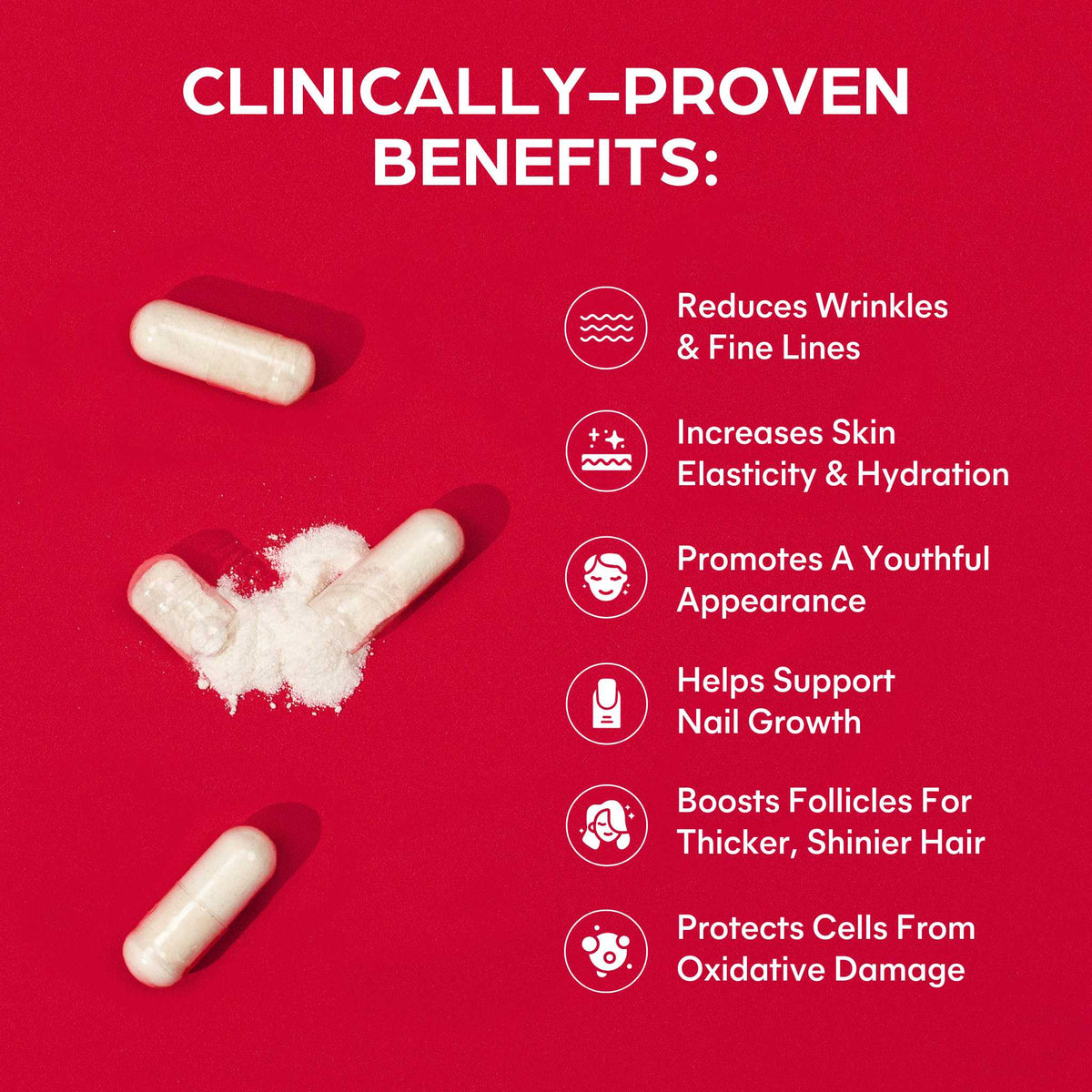
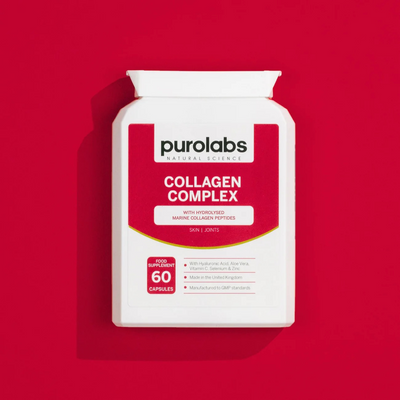
Collagen: Collagen production begins to decline naturally from the mid-20s at a rate of approximately 1% per year. By your 30s this is becoming measurable in skin elasticity, joint comfort, and connective tissue integrity. Supplementing with hydrolysed marine collagen now — before the decline becomes significant — is one of the most forward-thinking investments you can make for your future skin, joints, and bone structure. Purolabs Collagen Complex provides 1,100mg of hydrolysed marine collagen peptides alongside hyaluronic acid, aloe vera, and Vitamin E.

Collagen Complex
Folate: Whether or not you are planning a pregnancy, folate (Vitamin B9) is one of the most important nutrients for women in their reproductive years. It is essential for cell division, DNA repair, and red blood cell formation — and approximately 40% of the population carry a gene variant that reduces their ability to convert standard folic acid into the active form the body uses. Purolabs Folate uses Quatrefolic 5-MTHF — the methylated, immediately active form — making it significantly more effective for this group.
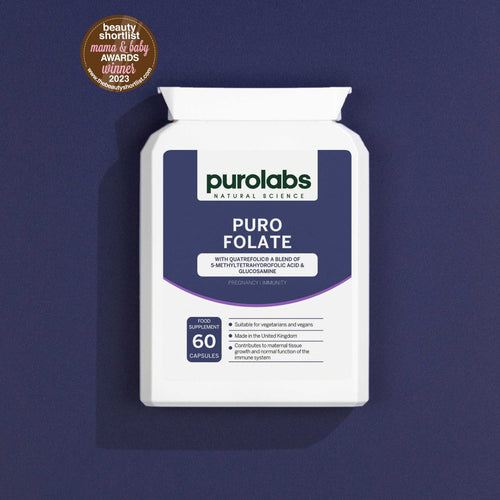
Folate
Iron: Women of reproductive age lose iron monthly through menstruation, making iron deficiency the most common nutritional deficiency in UK women. Low ferritin (stored iron) causes fatigue, poor concentration, and hair loss long before it develops into clinical anaemia. Confirm iron status with a blood test — specifically ferritin rather than haemoglobin before supplementing.
Multivitamin: A comprehensive multivitamin provides a nutritional safety net across all micronutrients and is particularly valuable for women with busy lifestyles, dietary restrictions, or irregular eating patterns. Purolabs Multivitamin provides 34 premium ingredients including plant-based B12, zinc, Vitamin D2, and CoQ10 — nutrients that are consistently under-consumed by UK adults.
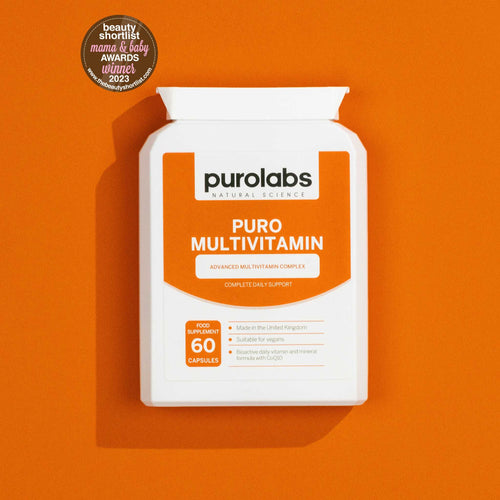
Multivitamin
Supplements for Your 40s: Preparing for the Transition
The 40s are the decade in which many women first notice perimenopause — the years of hormonal fluctuation that precede the final menstrual period. Even before periods become irregular, oestrogen production begins to shift and fluctuate, producing symptoms that can include poor sleep, mood changes, fatigue, and skin changes. This is also the decade in which nutrient absorption begins to decline, making dietary intake less reliable as a sole source of key nutrients.
Magnesium: Magnesium is involved in over 300 enzymatic reactions in the body and is one of the most consistently under-consumed minerals in UK diets. It supports sleep quality, nervous system function, muscle relaxation, energy metabolism, and blood glucose regulation. All areas that become noticeably affected as perimenopause begins. Purolabs Magnesium Citrate uses non-buffered citrate, one of the most bioavailable forms, for maximum absorption.

Magnesium Citrate
B Vitamins: As adrenal demand increases during perimenopause, B vitamin requirements rise in parallel. B6 supports cortisol regulation and hormone activity, B12 protects the nervous system, and the full complex supports the energy metabolism that the adrenals depend on. B vitamin deficiency in this decade is common and frequently misattributed to stress or perimenopause itself.
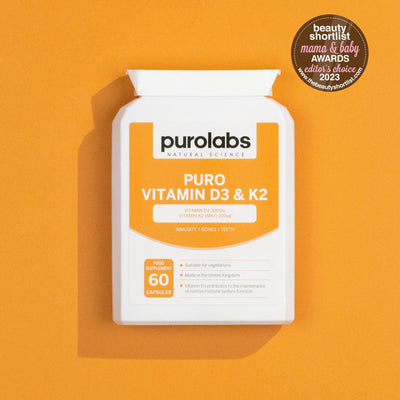
Vitamin D: The UK government recommends Vitamin D supplementation for all adults throughout autumn and winter. In your 40s, maintaining adequate Vitamin D status becomes particularly important for bone density protection ahead of the oestrogen decline that will accelerate bone loss in the 50s. Purolabs D3 & K2 combines Vitamin D3 with K2, which directs calcium into bone tissue rather than arterial walls.
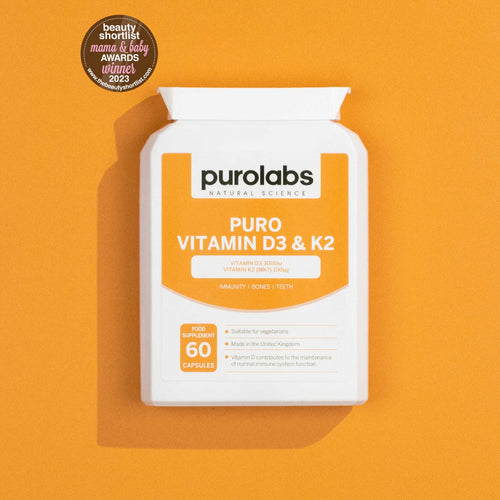
Vitamin D3 & K2
Hormonal Balance support: For women experiencing PMS or early perimenopause symptoms, targeted hormonal support becomes valuable. Purolabs Hormonal Balance combines Vitamin B6 (contributing to regulation of hormonal activity), magnesium bisglycinate, ginger extract, and chromium in one formula designed specifically for this transition.
Supplements for Your 50s and Beyond: Protection and Longevity
The postmenopause years bring a distinct set of nutritional priorities. The oestrogen-related protections that benefited bone, cardiovascular, and skin health throughout adulthood are now reduced, and supplementation becomes a more active tool rather than simply a preventive measure.
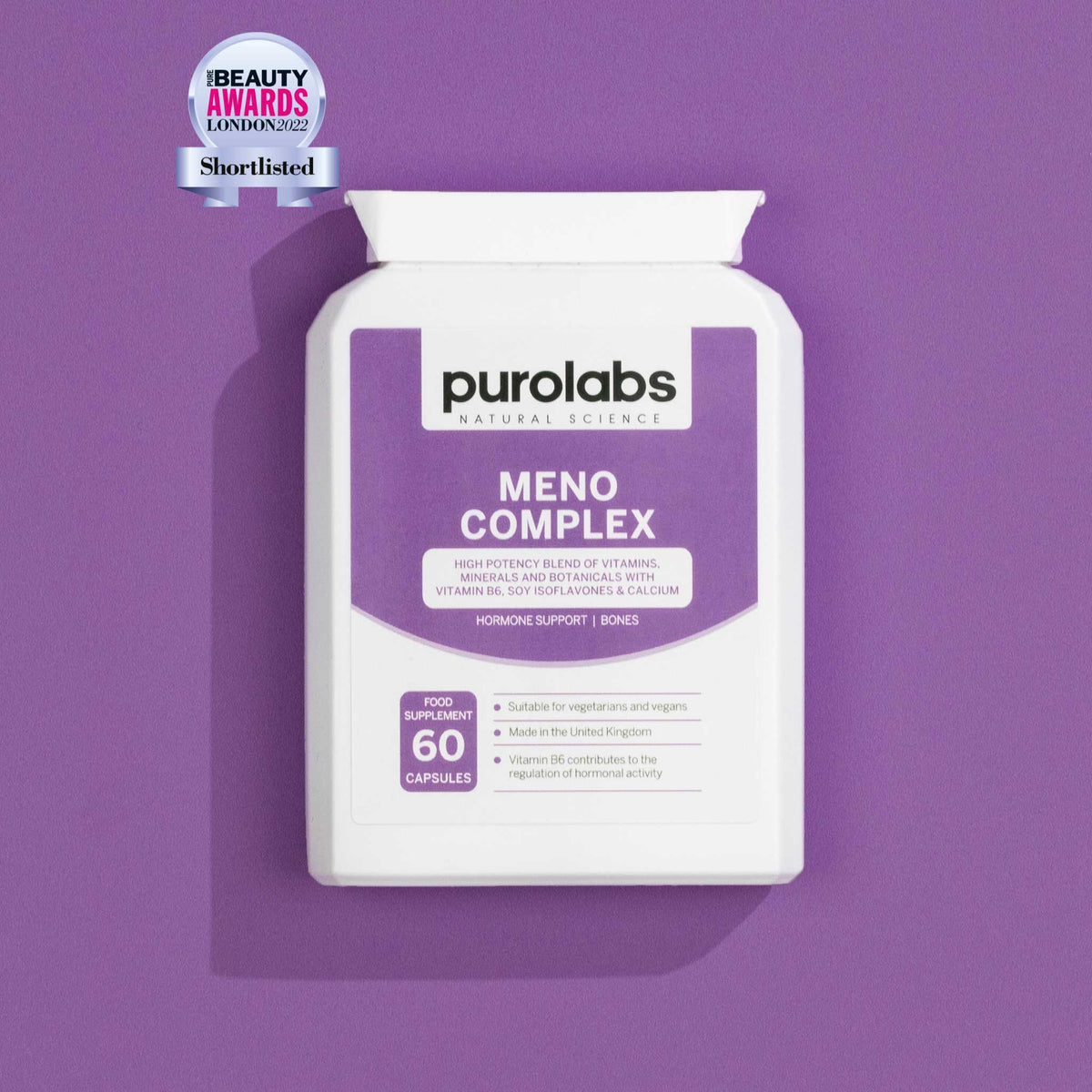
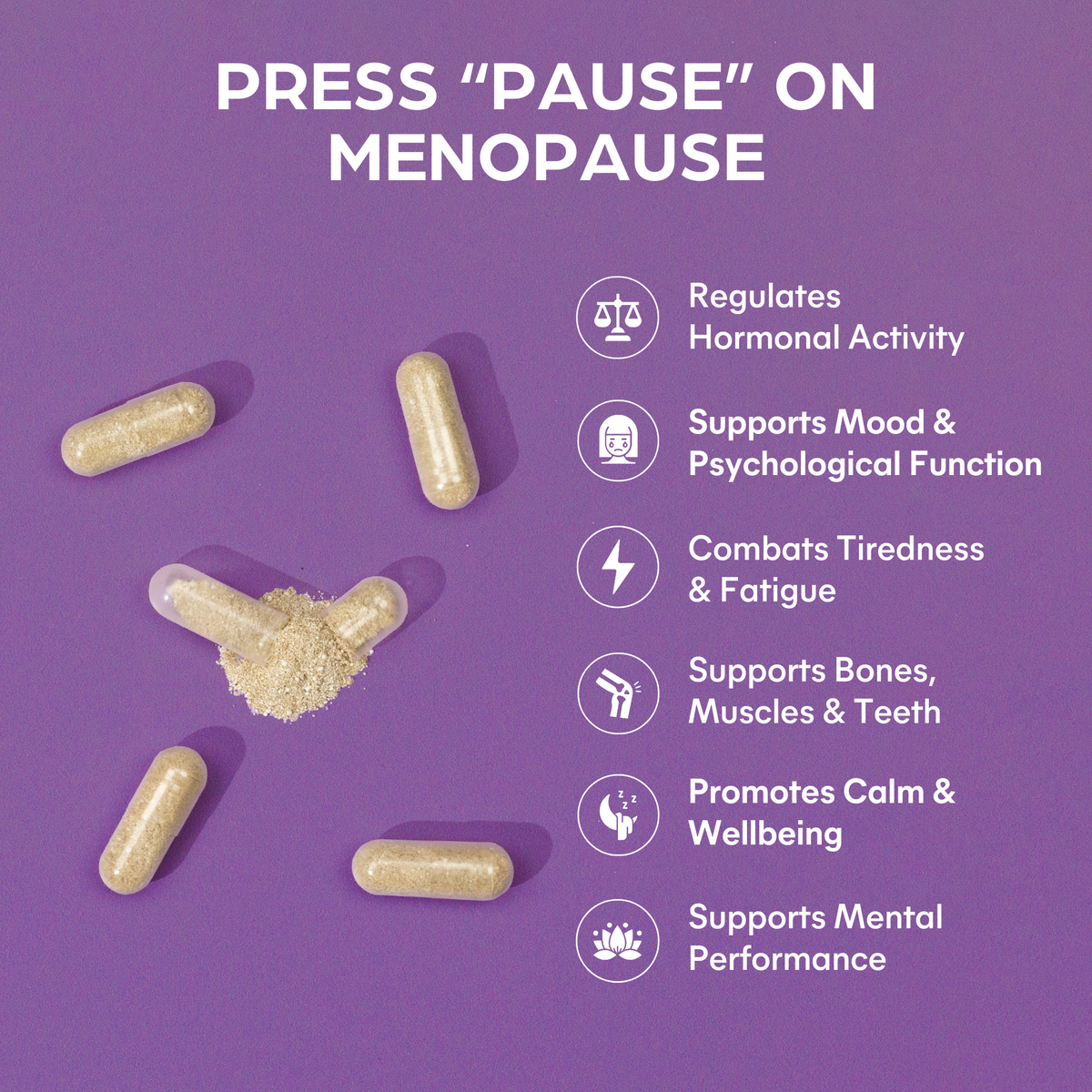
Meno Complex: Purolabs Meno Complex is specifically formulated for perimenopause through to postmenopause, providing 14 science-backed natural ingredients including sage extract (traditional support for hot flushes), soy isoflavones (phytoestrogens that gently activate oestrogen receptors), Vitamin D3, Vitamin B6, zinc, magnesium, and Korean panax ginseng. With over 1,400 verified reviews and a 4.5-star rating, it is one of Purolabs' best-selling products.
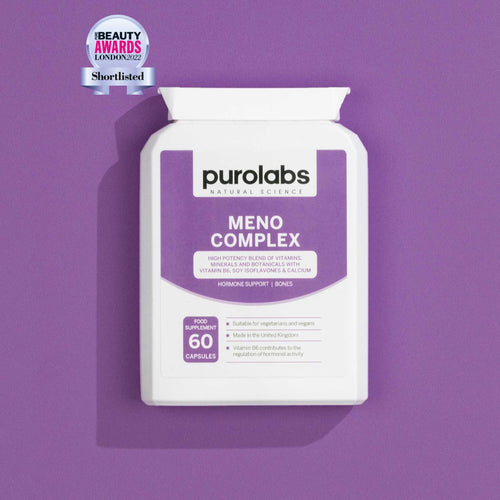
Menopause Complex
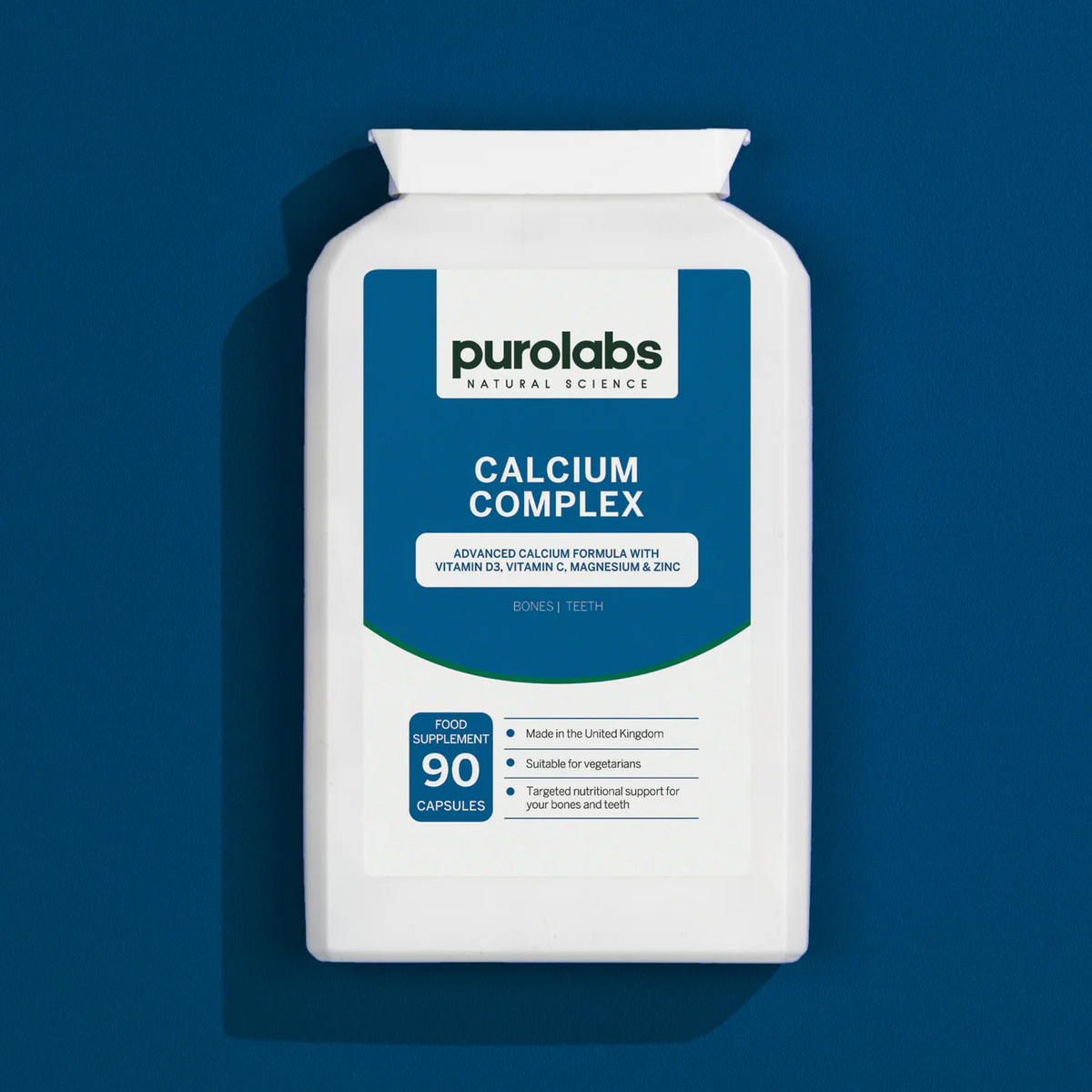
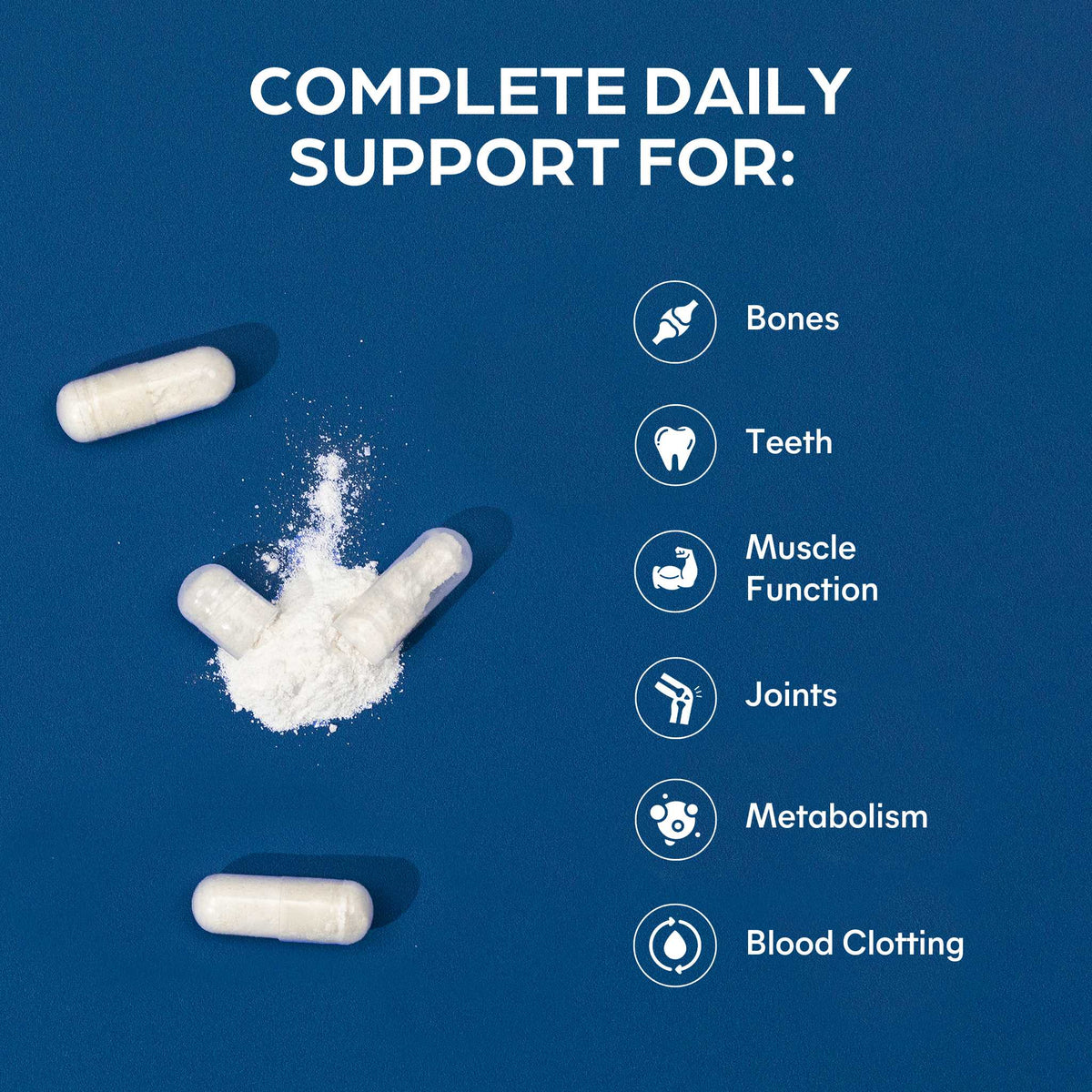
Calcium with Vitamin D: Bone density loss accelerates in the years immediately following menopause. Calcium and Vitamin D3 together are the most evidence-backed combination for maintaining bone mineral density in postmenopausal women. Purolabs Calcium Complex provides calcium citrate (better absorbed without food than carbonate) alongside Vitamin D3.
Omega-3: Anti-inflammatory omega-3 fatty acids become increasingly important for cardiovascular protection as oestrogen-mediated cardioprotection declines. Purolabs Omega-3 provides ultra-concentrated EPA and DHA from sustainably sourced fish oil.
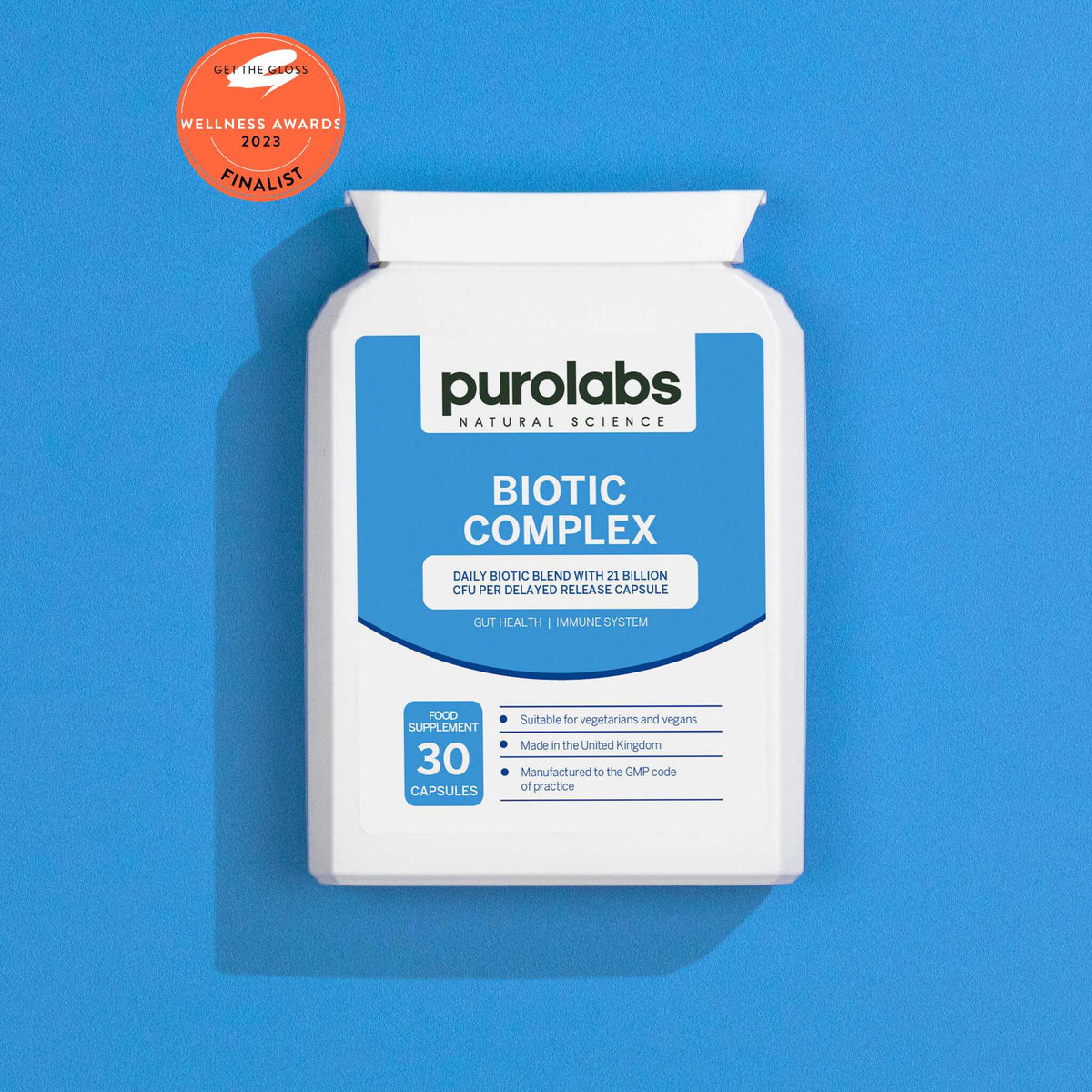
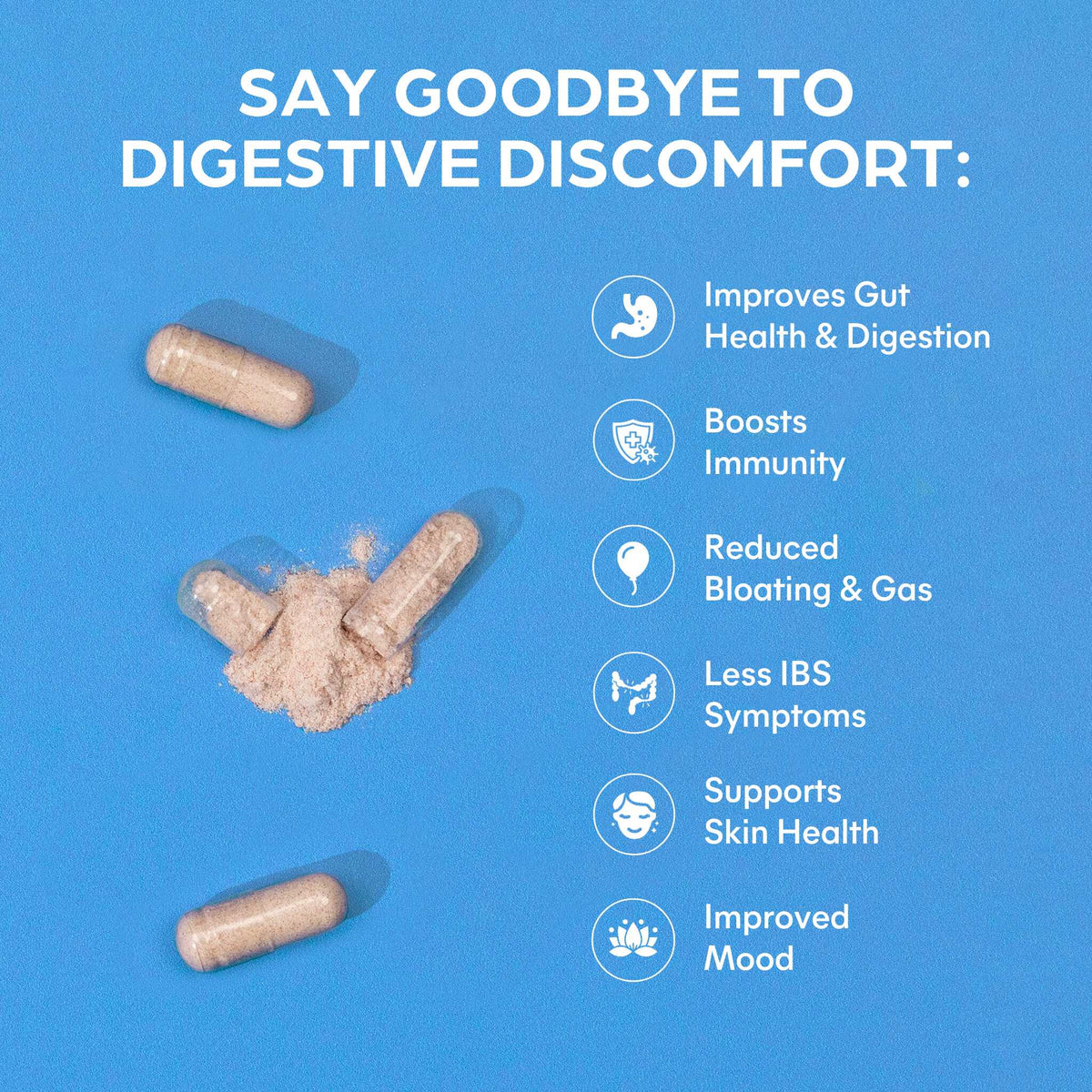
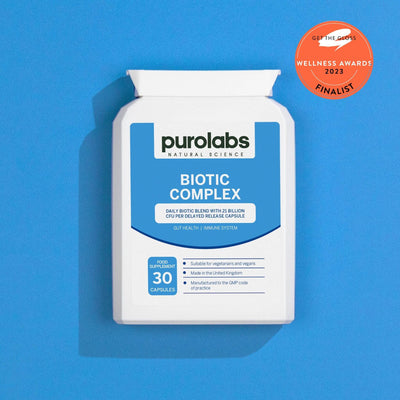
Probiotics: The gut microbiome plays a significant role in oestrogen metabolism through the estrobolome, a collection of bacterial enzymes that regulate circulating oestrogen. Supporting gut bacterial diversity with a high-quality probiotic helps the body process and balance oestrogen more effectively throughout the menopause transition and beyond.
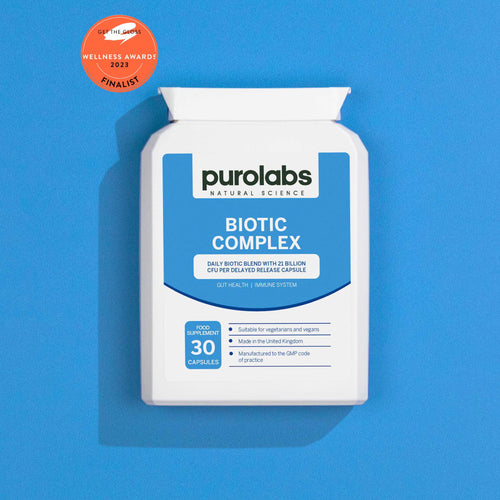
Biotic Complex
At Every Life Stage: The Foundation Stack
|
Supplement |
Why It Matters Across All Decades |
Purolabs Product |
|
Multivitamin |
Fills consistent nutritional gaps across all micronutrients |
Multivitamin (34 ingredients) |
|
Vitamin D3 & K2 |
UK-wide deficiency; bone, immune, and mood support |
D3 & K2 |
|
Omega-3 |
Anti-inflammatory; heart, brain, and joint health |
Omega-3 / Krill Oil |
|
Probiotic |
Gut microbiome health underpins immunity, mood, hormonal balance |
Biotic Complex (21bn CFU, 15 strains) |
|
Magnesium |
Consistently under-consumed; sleep, stress, muscle, energy |
Magnesium Citrate |
"I am 77 years old. I am bright and sparkly and my mind is as clear as a bell. I have taken Q10 for a while, but when I discovered Purolabs, I am gradually moving all my supplements to this company."
— Janet D., verified Purolabs customer
"My energy has been so much better — I am waking up feeling a lot more refreshed and it seems to last through the day. It has really helped balance my moods and reduce my PMS symptoms."
— Madison, verified Purolabs customer
Frequently Asked Questions
Should women take a multivitamin or targeted supplements?
The most effective approach is usually both: a comprehensive multivitamin as a daily foundation, with targeted supplements added at each life stage based on specific needs. A multivitamin covers the broad bases; targeted supplements address the higher-dose requirements that a general multivitamin cannot. For example, a multivitamin provides some magnesium, but the therapeutic dose needed for sleep support or PMS relief requires a standalone magnesium supplement.
When should women start taking collagen supplements?
Collagen production begins to decline from the mid-20s. The most impactful time to start is your 30s, before the decline becomes visually or structurally significant. Clinical studies show the most consistent evidence for collagen supplementation improving skin elasticity, hydration, and joint comfort with consistent use over three to six months.
What supplements are most important during perimenopause?
The highest-impact supplements for perimenopause are magnesium (for sleep, stress, and muscle relaxation), a B complex (for adrenal support and energy), Vitamin D3 with K2 (for bone protection), and a targeted hormonal support formula. For women experiencing significant symptoms, Purolabs Meno Complex was specifically designed for this transition and has extensive positive real-world evidence from verified customers.
Are there any supplements women should be cautious about?
Iron supplementation should only be taken if deficiency has been confirmed through a blood test — specifically ferritin levels. Taking iron without confirmed deficiency carries its own risks including gut irritation and oxidative stress. High-dose Vitamin A (retinol, not beta-carotene) should be avoided during pregnancy. Always check with your GP if you are on prescription medication before starting a new supplement regimen.
Can supplements replace a healthy diet?
No supplement regimen replaces the benefits of a varied, nutrient-dense diet. Supplements are most accurately described as an insurance policy that fills the inevitable gaps in dietary intake — not a substitute for whole foods. The Purolabs philosophy is 'supplements as the cherry on top': they add meaningful value on top of a good dietary foundation but work best in that context rather than in isolation.