















Magnesium bisglycinate is the best magnesium for sleep because it combines high absorption with a calming amino acid (glycine) that supports the nervous system. You've likely seen multiple UK magnesium supplements being touted as the best magnesium for sleep. However, many of them contain magnesium oxide, which is commonly used as it can be cheaply produced. If you've tried a magnesium supplement before and felt no effects and/or it upset your stomach, check if 'oxide' shows up on the ingredient list.
Magnesium is one of the most important minerals for sleep quality, whilst also being one of the most common mineral deficiencies in UK diets. It supports GABA activity (the nervous system's natural calming mechanism), plays a role in melatonin production, and helps regulate the cortisol response to stress. If magnesium levels are low, all three processes can be disrupted — and sleep can often suffer.
In this guide, I'll explain why magnesium bisglycinate for sleep is a great choice (even if you've tried other magnesium supplements before), what the science says, and how to use it effectively for restful sleep.
Why Magnesium Matters for Sleep
Magnesium is involved in over 300 enzymatic processes in the body and plays several key roles in the biological processes that regulate sleep.
It acts as a natural regulator of the nervous system, influences GABA (gamma-aminobutyric acid), and supports melatonin production. These systems work together to help the body transition from wakefulness to restful sleep.
Magnesium deficiency is one of the most common micronutrient insufficiencies in the UK. Data from the UK National Diet and Nutrition Survey (NDNS) shows that a significant proportion of adults have magnesium intakes below recommended levels, with 12–15% falling below the Lower Reference Nutrient Intake (LRNI), and higher rates seen in older adults and younger women.
Modern lifestyle factors can also contribute to magnesium insufficiency:
- High stress — Chronic high stress raises cortisol, which increases urinary magnesium excretion and cellular demand. This accelerates depletion of the mineral, lowering magnesium availability needed for normal nervous system function.
- Alcohol — Acts as a diuretic by suppressing antidiuretic hormone (ADH), increasing urine production. This reduces magnesium reabsorption in the kidneys, leading to greater urinary loss and depletion of magnesium stores.
- Processed foods — Refining during production removes the mineral-rich parts of whole foods (like bran and germ in grains), and manufacturing prioritises shelf life and texture over nutrient retention.
- Intensive exercise — Due to losses through sweat and urine, alongside higher metabolic demand for energy production, muscle contraction, and recovery processes that rely on magnesium-dependent enzymes.
Modern living can partially help to explain why many people experience difficulty with falling or staying asleep. Poor sleep quality can prolong a negative loop cycle, impacting nervous system function the following day. Magnesium bisglycinate is a great supplement choice to help break that cycle.
Not All Magnesium Is Equal: Why Form Matters
Different forms of magnesium vary significantly in absorption, digestive tolerance, and function. Not all magnesium supplements are created equally when assessing effects on sleep quality and nervous system support:
| Form | Absorption | GI Tolerance | Best Used For |
|---|---|---|---|
| Bisglycinate | High (chelated form) | Excellent; very gentle | Sleep, mood, nervous system, general supplementation |
| Citrate | Good | Generally well tolerated | Energy, constipation, general supplementation |
| Malate | Good | Generally well tolerated | Energy metabolism, fatigue |
| Threonate | Good; crosses blood-brain barrier | Generally well tolerated | Cognitive function; recently UK-authorised |
| Oxide | Poor (approx. 4%) | Common cause of GI side effects | Primarily used as a laxative; not recommended for supplementation |
| Sulphate (Epsom Salts) | Low when taken orally | Laxative effect at high doses | Topical bathing; not typically used orally |
If you have tried magnesium before and found no effect on sleep quality or stress relief, it may be that you were using a poorly absorbed form like oxide.
Why Bisglycinate Is the Best Form for Sleep
Magnesium bisglycinate is a chelated form, meaning magnesium is bound to two molecules of the amino acid glycine. This matters for two reasons:
- Improved absorption — Glycine acts as a carrier, helping magnesium pass through the intestinal wall more efficiently than inorganic forms like oxide.
- Calming effect of glycine — Glycine itself has been studied for its effects on sleep. A 2012 study published in Sleep and Biological Rhythms found that taking glycine before bed improved subjective sleep quality and reduced next-day fatigue.
The dual action of better absorption plus a calming amino acid is what makes magnesium bisglycinate particularly effective for sleep support.
Magnesium Bisglycinate vs. Citrate for Sleep
Both forms of magnesium are well absorbed, but they serve slightly different purposes:
- Magnesium citrate — better suited to digestion and energy; however, it may have a mild laxative effect on susceptible individuals.
- Magnesium bisglycinate — gentler on the stomach and more targeted for sleep and nervous system support. Better tolerated by those with sensitive stomachs.
If your goal is specifically better sleep, bisglycinate is the better choice.
How Magnesium Bisglycinate Supports Sleep: The Science
GABA and the Nervous System
A key study published in Neuropsychiatric Disease and Treatment explains that GABA acts as the brain's primary inhibitory neurotransmitter by reducing neuronal excitability. It binds to GABA receptors (particularly GABA-A), causing an influx of chloride ions into neurons, which makes them less likely to fire. This calming effect helps the brain transition from wakefulness to sleep.
Magnesium helps regulate GABA receptors and reduces excitatory signalling (via NMDA receptors), promoting a calmer nervous system. This dual action supports balanced neurotransmission, helping to ease mental overstimulation and facilitate the transition into restful sleep.
Magnesium contributes to the normal functioning of the nervous system.
Melatonin and Circadian Rhythm
Magnesium acts as a cofactor in the enzymatic processes that convert serotonin into melatonin within the pineal gland.
When magnesium levels are insufficient, this conversion may be less efficient, potentially leading to lower melatonin production at night. This is one reason why low magnesium status has been associated in observational research with disrupted sleep onset and poorer overall sleep quality.
A study published in the Journal of Research in Medical Sciences by Abbasi et al looked at elderly patients with insomnia. The findings discovered that magnesium supplementation was associated with improved sleep efficiency, increased sleep time, higher serum melatonin levels, and lowered cortisol levels.
Whilst there is no clear evidence on whether magnesium directly supports insomnia, low magnesium levels have clearly been shown to potentially increase difficulty when falling asleep and impact sleep quality.
Cortisol, Stress, and the HPA Axis
Magnesium and cortisol have a bidirectional relationship. Chronic stress increases cortisol, which accelerates urinary magnesium loss and depletes body stores. In turn, low magnesium levels heighten the body's sensitivity to stress, leading to a stronger and more prolonged cortisol response.
This creates a cycle that can disrupt sleep by keeping the nervous system in a more alert, stimulated state. By supporting regulation of the HPA axis, adequate magnesium helps moderate the physiological stress response, which is why restoring magnesium levels is often associated with improved sleep quality and greater resilience to stress.
Magnesium contributes to normal psychological function.
Who Is Most Likely to Be Deficient in Magnesium?
Certain groups are more likely to have low magnesium levels:
- Those who eat a high processed foods diet — refining strips away magnesium-rich parts of whole foods, such as the bran and germ in grains, significantly reducing overall dietary intake. Diets high in ultra-processed foods are consistently associated with lower micronutrient density.
- Perimenopausal women — declining oestrogen levels can affect magnesium balance and retention. This may contribute to symptoms such as sleep disruption, increased stress sensitivity, and muscle tension commonly experienced during this transition. A 2014 study found that 36% of postmenopausal women had insufficient magnesium intake.
- Chronic stress — elevated cortisol increases urinary magnesium excretion, while also raising the body's demand for magnesium. Over time, this can deplete stores and disrupt nervous system regulation.
- Athletes and active individuals — higher physical demands increase magnesium requirements due to its role in energy production, muscle contraction, and recovery, alongside additional losses through sweat and urine. A 2023 systematic review found that athletes had significantly lower serum magnesium levels than non-athletes with higher 24-hour urinary magnesium excretion.
- Regular alcohol consumption — alcohol acts as a diuretic, increasing urine output and reducing magnesium reabsorption in the kidneys, which leads to greater losses over time.
- Certain medications — proton pump inhibitors (PPIs), some diuretics, and certain antibiotics can reduce magnesium absorption or increase excretion. Long-term use may contribute to lower magnesium status, so do seek the guidance of a registered health professional including your GP for further information.
If you fall into one or more of these categories, magnesium intake becomes even more important.
Expert Guidelines: Magnesium Bisglycinate Dosage, Timing, and Safety
Recommended dose
A daily intake of 250mg elemental magnesium (66% of the UK NRV of 375mg) is appropriate for supporting sleep and general wellbeing, particularly when combined with magnesium-rich foods.
Timing
For sleep support, take magnesium bisglycinate 1–2 hours before bed to allow time for absorption and its calming effects on the nervous system.
With or without food
Magnesium bisglycinate can be taken on an empty stomach due to its gentle nature. However, taking it with a light snack may improve tolerance for those new to supplementation.
When to expect results
- 2–4 weeks: many people notice improvements in sleep quality and relaxation
- 4–8 weeks: more complete restoration of magnesium status, particularly if levels were low
Safety
Magnesium is generally well tolerated at recommended doses. Intakes above 400mg per day from supplements may cause loose stools, an effect more commonly associated with forms such as citrate or oxide rather than bisglycinate.
Interactions
Magnesium may interfere with the absorption of certain medications, including some antibiotics and bisphosphonates. Leave a 2-hour gap between doses and consult your GP if you have kidney disease or are taking prescribed medication.
A Nutritionist's Verdict on Magnesium Bisglycinate for Sleep
Magnesium is not a sedative. It will not increase drowsiness or fatigue throughout the day. However, it plays a fundamental role in the systems that allow sleep to happen naturally: the nervous system, GABA signalling, melatonin production, and stress regulation.
Magnesium bisglycinate is a great choice because it is well absorbed, gentle on digestion, and uniquely suited to sleep support thanks to its glycine component.
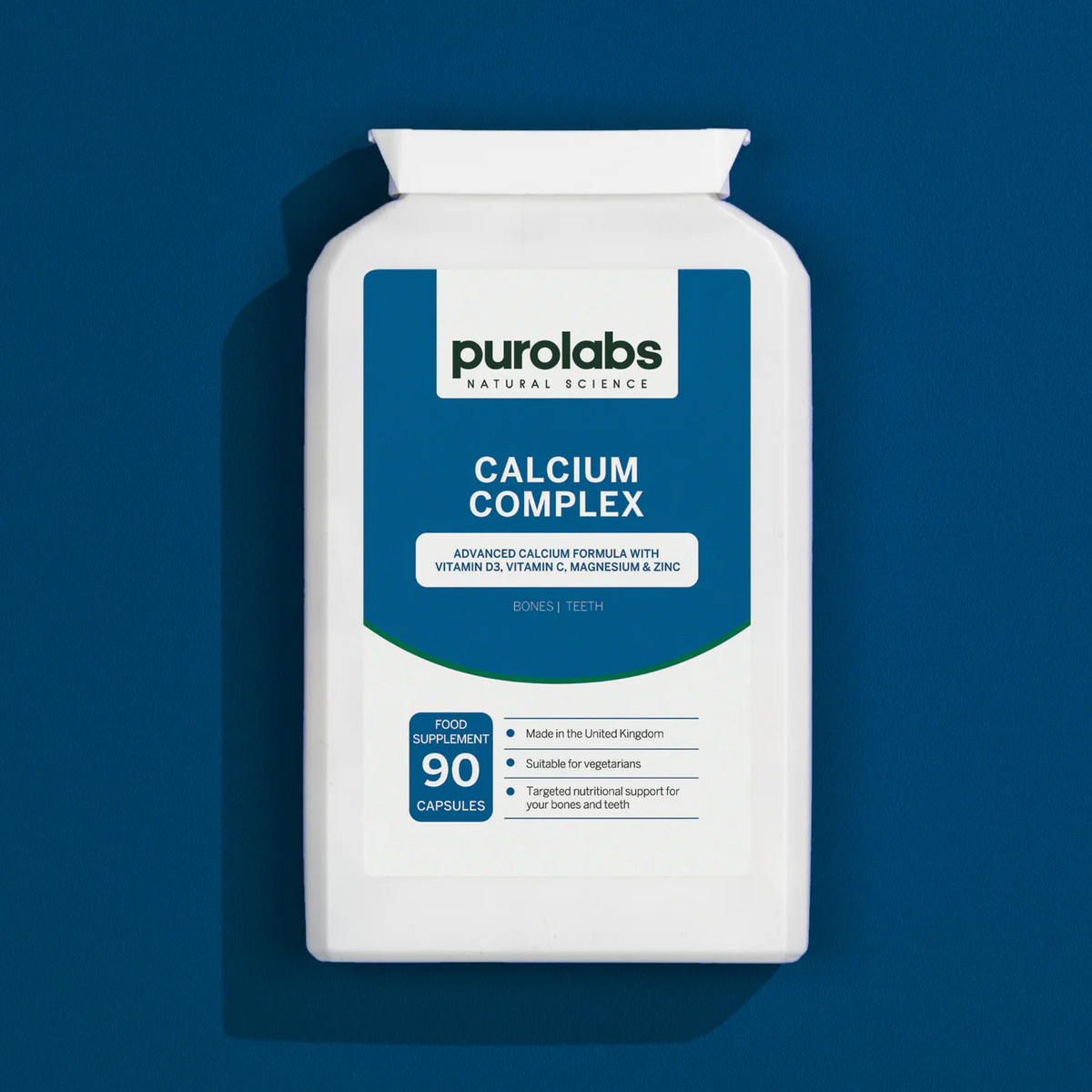
For those struggling with restless nights, it can be a simple, evidence-informed way to support better sleep as part of a balanced lifestyle. If sleep issues persist, always consult your GP. A clean, high-absorption formula such as Purolabs Magnesium Bisglycinate is a practical place to start.

Magnesium Bisglycinate
Frequently Asked Questions
| Question | Answer |
|---|---|
| What is the best magnesium for sleep? | Magnesium bisglycinate is the best magnesium for sleep. It is highly absorbable and includes glycine, a calming amino acid that supports relaxation and sleep quality. It also reduces anxiety and promotes deeper, more restorative sleep. |
| How much magnesium bisglycinate should I take for sleep? | 250mg elemental magnesium per day is an effective and safe dose. This provides 66% of the UK NRV and should not exceed 400mg daily from supplements. Always consult a healthcare professional before starting new supplementation routines. |
| When should I take magnesium bisglycinate for sleep? | Take magnesium bisglycinate 1–2 hours before bed. This allows time for absorption and supports the body's natural wind-down process, helping improve sleep onset, relaxation, and overall sleep quality consistently. |
| Is magnesium bisglycinate better than magnesium glycinate? | They are the same compound. "Bisglycinate" and "glycinate" are used interchangeably; both refer to magnesium bound to two glycine molecules, offering gentle absorption and good gastrointestinal tolerance for most people. |
| Does magnesium bisglycinate cause drowsiness? | No, it does not act as a sedative. It supports relaxation and normal nervous system function rather than inducing sleep directly, but may improve sleep quality indirectly over time with consistent use. |
| How long does it take to work? | Most people notice benefits within 2–4 weeks. Full effects may take up to 8 weeks if magnesium levels are low, especially when dietary intake has been consistently insufficient. |
| Can I take magnesium bisglycinate every night? | Yes, it is safe for daily use. Magnesium is a dietary mineral and does not cause dependency, withdrawal effects, or tolerance when taken at appropriate recommended dosages consistently. |
| Does magnesium help with anxiety and sleep? | Magnesium contributes to normal psychological function. It may support a healthy stress response, which can indirectly improve sleep quality by promoting calmness, relaxation, and emotional balance overall. |