



A small glass (or two) of wine with dinner is a harmless pleasure for many. It may help to relieve the stressors of the day and provide that predictable reassuring signal for a little ‘me time’. Unfortunately, for many people living with irritable bowel syndrome (IBS), alcohol can also be an unpredictable trigger.
Despite how commonly IBS sufferers report increase gastrointestinal symptoms the day after a tipple, the relationship between alcohol and IBS does remain complex, inconsistent and poorly defined. Understanding how alcohol impacts IBS is key in helping those with the condition (or symptoms of the condition) make informed, realistic life choices.
Three IBS Categories
It is important to establish the three types of IBS that are highlighted in the literature:
IBS-D (Diarrhoea dominant IBS)- Recurrent abdominal pain with frequent loose stools, urgency and usually accompanied by bloating1.
IBS-C (Constipation dominant IBS)- Recurrent abdominal pain accompanied by hard or lumpy stools2.
IBS-M (mixed-type irritable bowel syndrome) – Alternating diarrhoea and constipation, which fluctuate over time.3
How Does IBS Differ from IBD?
It is incredibly important to note that the studies outlined in this article are linking alcohol intake and symptom flare ups in those with IBS.
Whilst both conditions impact the gastrointestinal tract, IBS is a functional bowel disorder causing signs of digestive upset without inflammation or tissue damage. IBD involves chronic intestinal inflammation, visible injury, a distinct impact on the immune system (many autoimmune conditions have been linked to IBD and other conditions linked to it such as anaemia and bowel damage)4.
If you think you may be showing signs of IBD, or if you have ever noticed blood in your stool, it is best to book an appointment with your GP for further testing.
IBS and Alcohol: What Do the Studies Say?
A recent study including symptom-diary analysis found that alcoholic beverages were significantly linked to multiple GI symptoms including gastrointestinal pain, diarrhoea, and bloating. Symptoms usually appeared between 4-72 hours after consumption5.
An observational study found that women with IBS who partook in binge drinking... was associated (more than 4 drinks on one occasion) was associated with worse GI symptoms the following day. Symptoms included diarrhoea, pain, nausea and indigestion. Worsened symptoms were found at higher rates in women with IBS-D than IBS-C. Interestingly, light alcohol intake showed little association with symptoms when compared to binge drinking patterns6.
A cross-sectional survey on alcohol intake and IBS/Dyspepsia saw that an intake of over 7 drinks per week was linked to greater odds of dyspepsia and abdominal pain, but not IBS overall. However, when you looked into the findings, women who showed low to moderate symptoms when it came to their IBS, found increased IBS symptoms with high alcohol intake versus moderate drinkers. This study outlines the complicated interaction between alcohol intake, stress and lifestyle factors and their impact on IBS7.
A study looking into the genetic impact of alcohol intake and IBS analysed genetic data across large populations to estimate associations. The findings highlighted a positive association between higher genetically predicted alcohol consumption increasing IBS risk. Furthermore, the study concluded that psychiatric disorders like anxiety and depression partially mediated this effect, suggesting that reducing alcohol intake in genetically susceptible people may help to lower IBS risk8.
There is a strong link between stress and IBS which has been extensively studied, with a hypothesis being that alcohol in the short term is a stress reductor; potentially helping to reduce acute IBS reactions. However, in the long-term chronic and/or binge drinking has been associated with a higher rates of gastrointestinal symptoms9.
Tips for Drinking Alcohol with IBS
It must be mentioned that alcohol and IBS do not generally mix well. Alcohol is a gut irritant, increasing sensitivity and pain in an already hypersensitive gut.
Alcohol also speeds gut motility, speeding bowel transit in people; which is particularly problematic with those with IBS-D. Alcohol can also disrupt the microbiome, altering beneficial gut bacteria which can promote excess gas, bloating and stool changes10.
It is also important to note that alcohol can also include additives and sugars, which can further irritate the gut and lead to exacerbated GI symptoms.
With that said, if you are going to enjoy a celebratory tipple and you wish to reduce chances of gastrointestinal irritation, then here are a few pointers:
How Much Alcohol Can You Drink
The studies indicate that less than four drinks in one session can help to reduce IBS symptoms the following day. Binge drinking as outlined is associated with higher gastrointestinal pain, bloating, nausea and dysregulated bowel movements.
The Type of Alcohol Counts
A low FODMAP intake has long been associated with a reduction in IBS symptoms, and alcohol is no exception.
There is evidence to suggest that low FODMAP alcohol is preferential when it comes to alcohol intake of choice. Low FODMAP alcohol includes whiskey, vodka and gin with low FODMAP mixers like slimline tonic and water.
Alcohol which is more commonly associated with an IBS flare up are highly carbonated drinks like wine and beer and sweet cocktails which include gut irritating sugar polyols.
Prep Your Gut Beforehand
Although this method is not foolproof, prepping your gut on the days leading up to alcohol intake can prove beneficial to helping reduce post-alcohol GI symptoms.
Hydration is key. Alcohol is a diuretic, which can lead to dehydration and sluggish digestion, both of which can worsen IBS and trigger bloating, cramping and diarrhoea11.
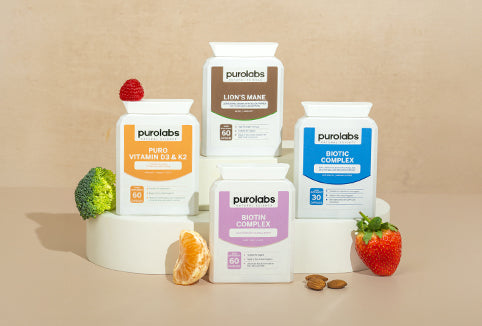
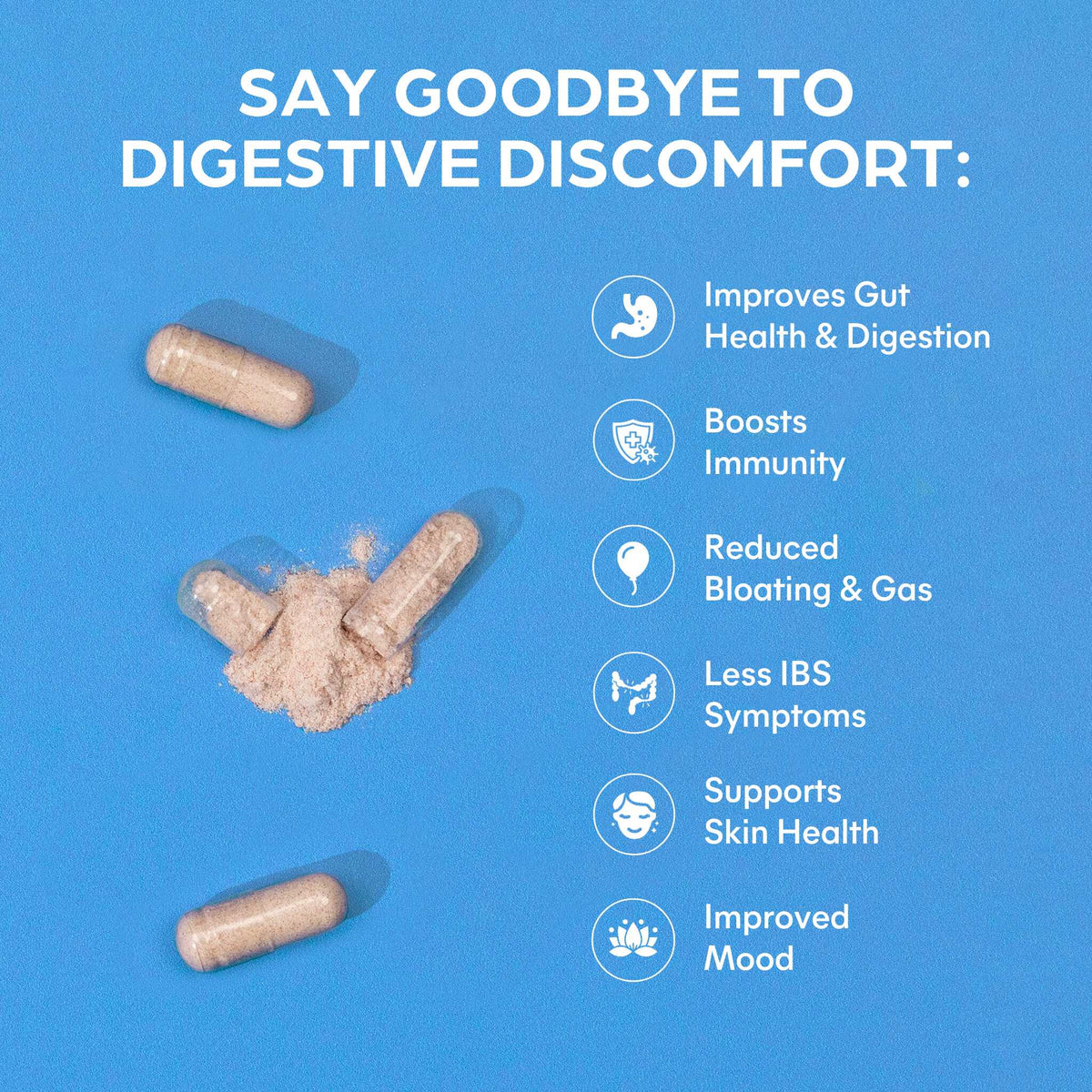
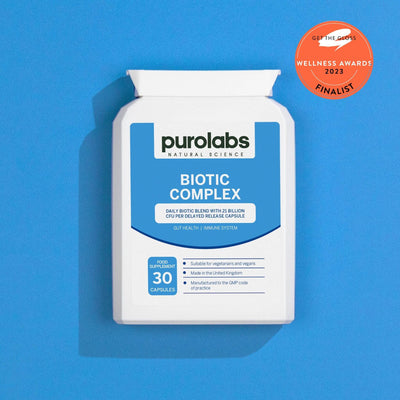
Consider supplementing with electrolytes on the day leading up to alcohol intake. Other supplements that can support gut health resilience include apple cider vinegar and a probiotic complex.
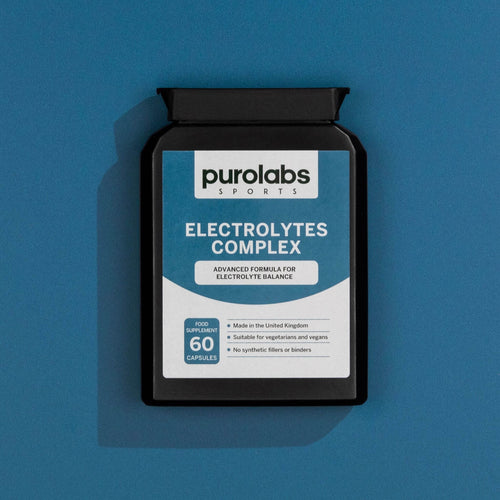
Electrolytes Complex
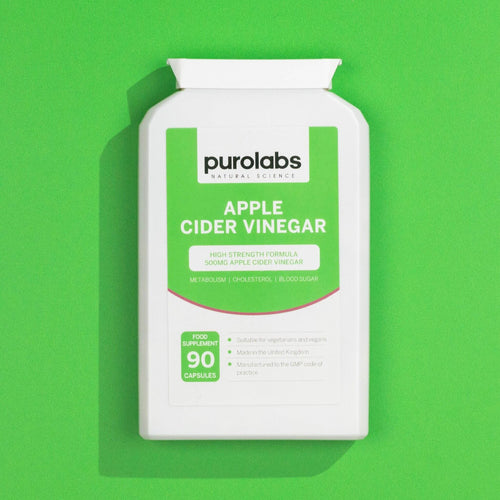
Apple Cider Vinegar
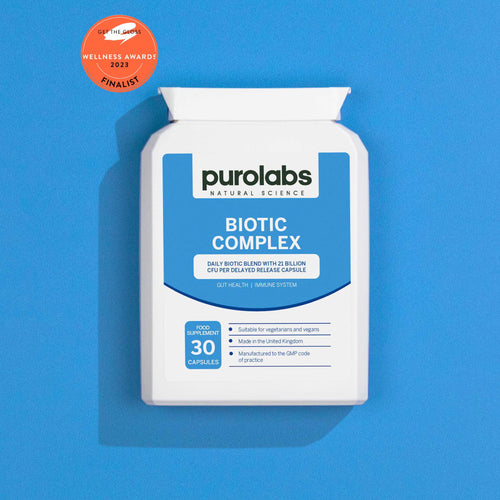
Biotic Complex
Moderation is Key
When making long-term lifestyle changes, being realistic is key for success.
Removing alcohol completely for the majority of those with IBS, especially those with moderate to severe symptoms is desirable. However, alcohol can be part of social connection. Although it isn’t preferable, it can be a tool used to help with acute stress.
Studies show that reducing intake can significantly help with symptoms, therefore an aim to reduce intake over time can be a fantastic goal for many.
A few tips to help gradually reduce alcohol intake:
- Slow the pace: sip drinks, alternate drinks with non-alcohol options, opt for single shots instead of double shots, drink with food
- Swap the ritual: opt for a mocktail, or a fizzy drink with added herbs, ice and berries for that alcoholic drink ‘feeling’ when consuming
- Schedule alcohol-free days: limit alcohol intake to one day of the week or limit alcohol intake by allocating a Friday or Saturday as a new non-alcohol day
- If stress is a common trigger for alcohol intake, search for other methods to choose when looking for that stress relief. Call a friend, go for a long walk, pick up a mid-week hobby, find social connections that don't involve alcohol.