



Quick Answer: Oestrogen cannot be directly increased through supplements or food — but the body's ability to produce, metabolise, and balance oestrogen can be meaningfully supported through several evidence-backed approaches. The most impactful include managing chronic stress (which suppresses oestrogen via the HPA axis), including phytoestrogenic foods, supporting the gut estrobolome with a probiotic, optimising sleep, and reducing exposure to endocrine-disrupting chemicals. For women in menopause, targeted supplementation with phytoestrogens and specific botanical ingredients offers additional support.
The human body contains over 50 types of hormones, and oestrogen is one of the most wide-reaching in its influence. Far more than simply a reproductive hormone, oestrogen supports cardiovascular health, bone density, skin structure, cognitive function, mood, and urinary tract health. Its natural decline during perimenopause and menopause therefore touches virtually every system in the body.
Understanding how to support healthy oestrogen levels naturally — and what limits this — is one of the most practically useful things a woman can know about her own physiology.
The Many Roles of Oestrogen
Oestrogen's influence extends far beyond reproductive function. It is cardioprotective (helping reduce cardiovascular disease risk), bone-building (stimulating bone rebuilding and protecting against osteopenia), neuroprotective (supporting cognitive function and mood), and skin-supporting (maintaining skin structure, hydration, and elasticity). It also supports the lubrication and thickness of vaginal walls, urinary tract integrity, and — critically — it plays a role in regulating other hormones including cortisol and thyroid hormones.
Low oestrogen can therefore produce a remarkably wide range of symptoms: hot flushes, poor sleep, low mood, brain fog, joint pain, dry skin, vaginal dryness, increased cardiovascular risk, and accelerated bone loss. This breadth is why supporting oestrogen naturally, where possible, has such wide-ranging benefits.
Who May Benefit from Supporting Oestrogen Naturally?
The most common group are women approaching or in menopause, where the gradual natural decline in oestrogen production from the ovaries is the primary driver of symptoms. However, other groups may also benefit women with PCOS (where testosterone dominance can suppress oestrogenic effects), women with hypothalamic amenorrhoea (where very low body fat or extreme exercise disrupts oestrogen production), and women with imbalances affecting vaginal health or urinary tract function.
1. Manage Chronic Stress
Chronic stress has a direct and significant impact on oestrogen production. High cortisol — the body's primary stress hormone — impairs the hypothalamus's ability to signal the release of luteinising hormone (LH) and follicle-stimulating hormone (FSH), both of which are needed to stimulate the ovaries to produce oestrogen. This is the HPA axis mechanism through which prolonged stress disrupts hormonal balance.
Practical daily stress reduction techniques have measurable effects on cortisol regulation and therefore on hormonal balance: box breathing (four counts in, four held, four out, four held), regular physical activity at moderate rather than extreme intensity, time in nature, and reducing late-evening screen exposure all contribute to a more regulated stress response.
2. Include Phytoestrogenic Foods
Phytoestrogens are plant compounds that bind to oestrogen receptors in the body, producing mild oestrogenic effects without actually being oestrogen. They are most beneficial for women with low oestrogen levels, where they partially compensate for declining endogenous production. Studies have found that phytoestrogenic foods can reduce hot flush frequency, support bone health, and improve cardiovascular markers in perimenopausal and postmenopausal women.
Key phytoestrogenic food sources include soybeans, tofu, and tempeh (isoflavones — the most potent phytoestrogenic compounds); flaxseeds (lignans); legumes and lentils; and cruciferous vegetables including broccoli and red cabbage. Green tea and berries also contain relevant phytoestrogen compounds.
Soy isoflavones are the most studied phytoestrogenic compounds. The clinical evidence for their effectiveness in reducing hot flush severity and frequency is substantial, which is why soy isoflavones feature as a primary ingredient in Purolabs Meno Complex.
3. Support Your Gut Estrobolome
The estrobolome is a collection of gut bacteria that produce enzymes — particularly beta-glucuronidase — involved in oestrogen metabolism and reabsorption. A healthy, diverse gut microbiome ensures that oestrogen is processed, recirculated, and excreted efficiently. When the gut microbiome is disrupted (by antibiotics, a poor diet, or chronic stress), the estrobolome is impaired and oestrogen metabolism becomes dysregulated — contributing to both low and excessively high oestrogen depending on the nature of the disruption.
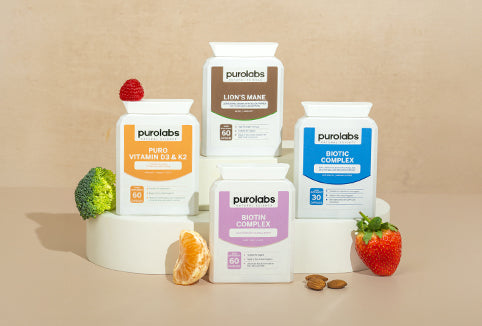
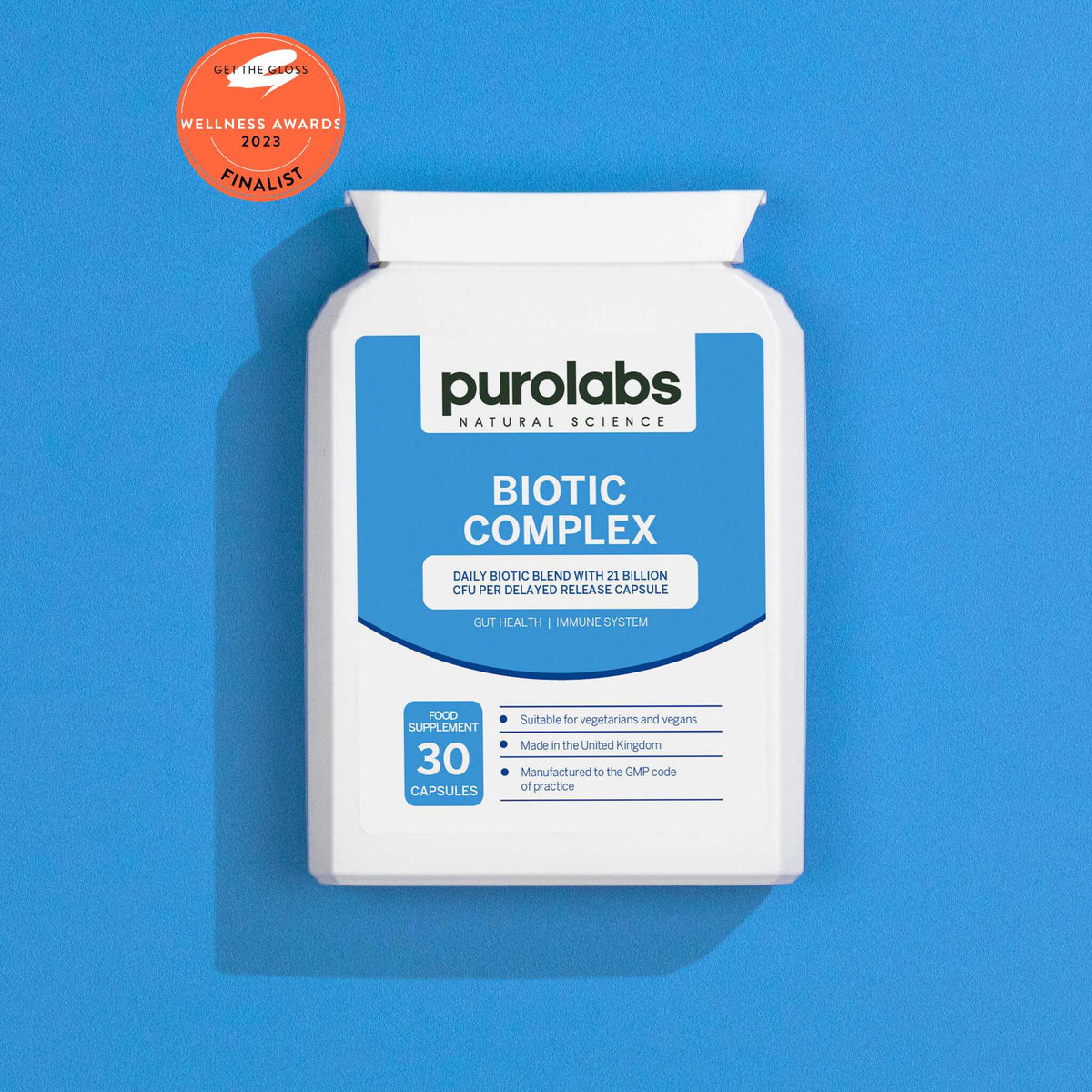
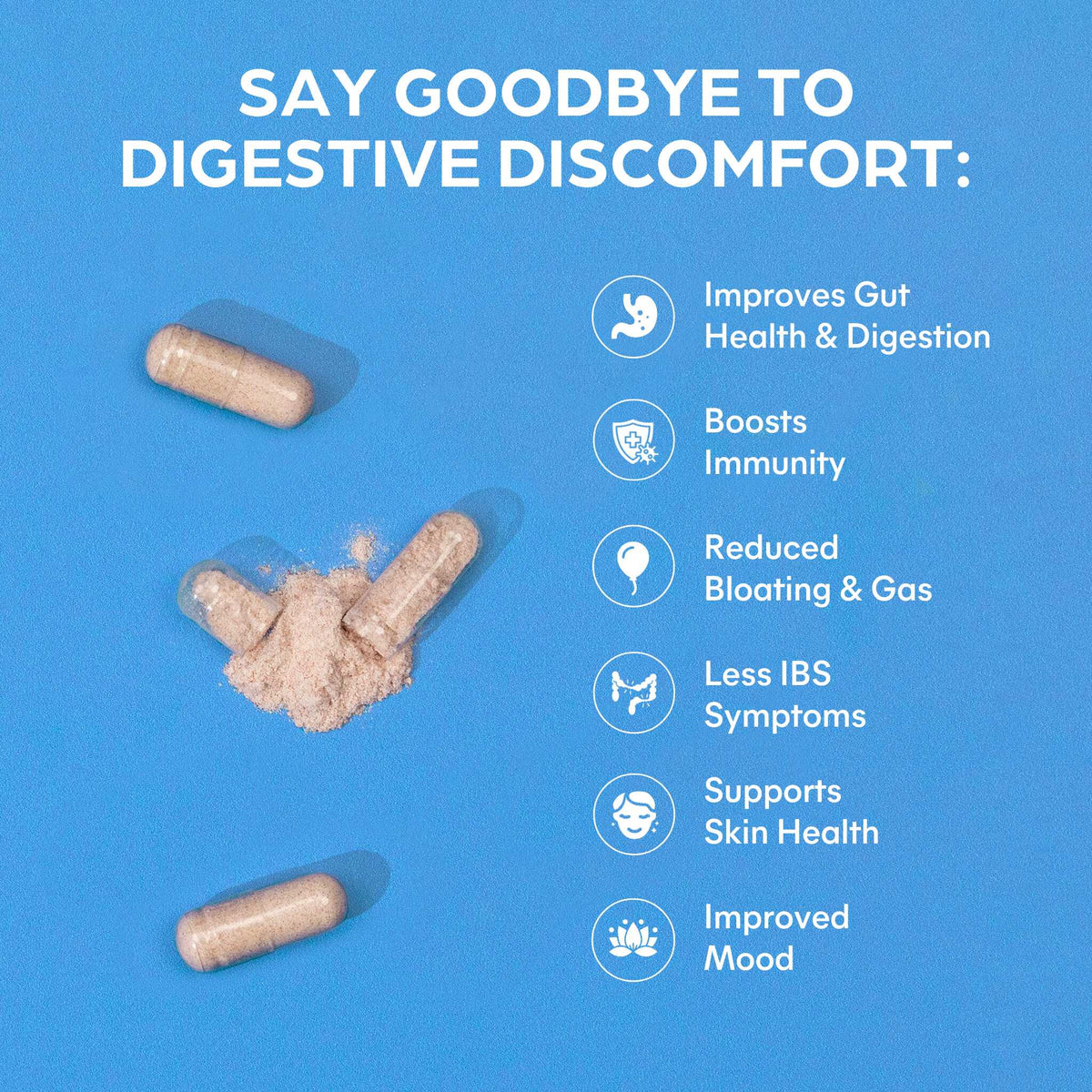
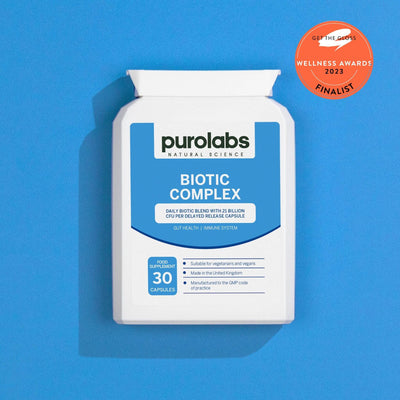
Supporting the estrobolome with a high-quality, multi-strain probiotic is one of the most evidence-backed nutritional strategies for hormonal balance. Purolabs Biotic Complex provides 21 billion CFU across 15 clinically studied strains in a delayed-release capsule that survives stomach acid, alongside 200mg of sugar beet prebiotic fibre to sustain the bacterial populations once established.
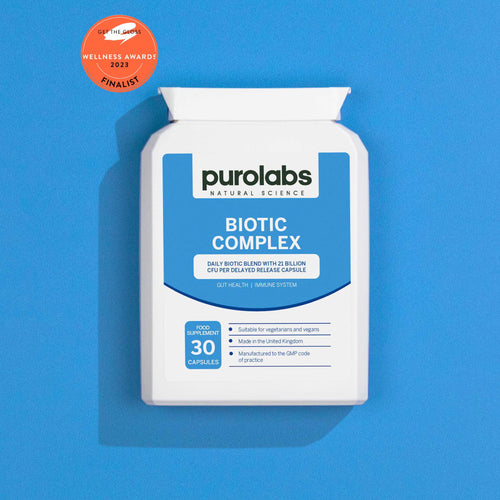
Biotic Complex
"I call Biotic Complex my miracle tablets. Suffered for years with irritable bowel. Within a few days of taking them the change was amazing."
— Lynda C., verified Purolabs customer
4. Optimise Sleep Quality
Sleep is one of the most underappreciated regulators of hormonal balance. Circadian hormones — particularly cortisol and melatonin — have a direct knock-on effect on steroid hormone production including oestrogen. Poor or insufficient sleep elevates cortisol chronically, disrupting the hypothalamic signalling pathways that regulate oestrogen production.
Maintaining a consistent sleep and wake time, minimising artificial light exposure in the two hours before bed, keeping the bedroom cool and dark, and reducing alcohol intake (which fragments sleep architecture) are the most evidence-based sleep hygiene measures. Magnesium taken one to two hours before bed supports nervous system relaxation and sleep quality — one of its most reported benefits.
5. Reduce Endocrine-Disrupting Chemical (EDC) Exposure
Endocrine-disrupting chemicals — found in certain plastics (BPA and phthalates), pesticide residues, some personal care products, and household cleaning products — interfere with hormone receptors and metabolism in ways that can impair oestrogen signalling. The evidence for population-level hormonal disruption from chronic low-level EDC exposure is substantial and growing.
Practical reduction steps include switching to glass or stainless-steel food and drink containers, choosing personal care products with simpler, cleaner ingredient lists, choosing organic produce where possible for the highest-pesticide crops, and avoiding heating food in plastic containers.
6. Targeted Supplementation: Meno Complex
For women experiencing significant oestrogen-related symptoms — particularly during perimenopause and menopause — targeted supplementation provides additional support that dietary measures alone cannot fully replicate.
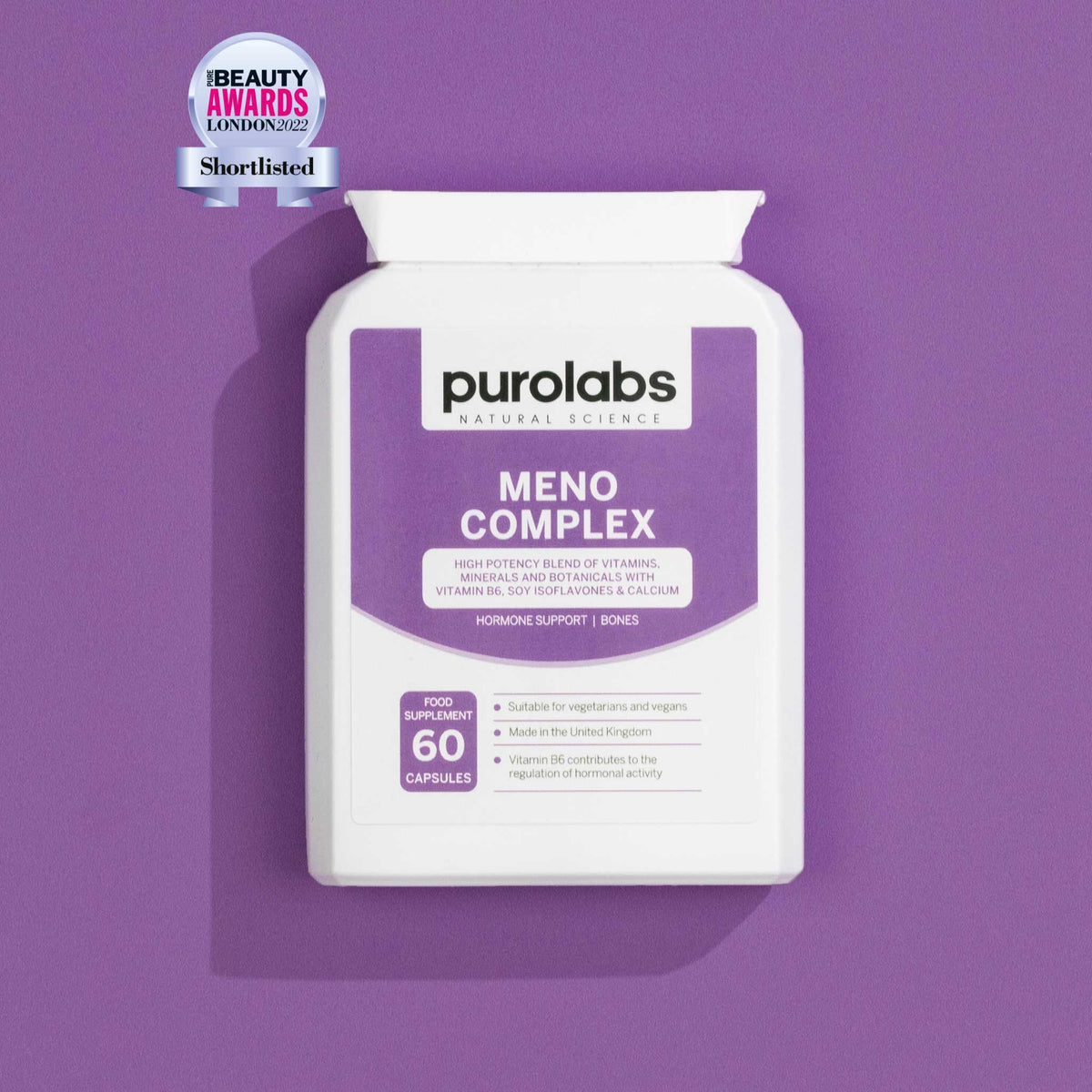
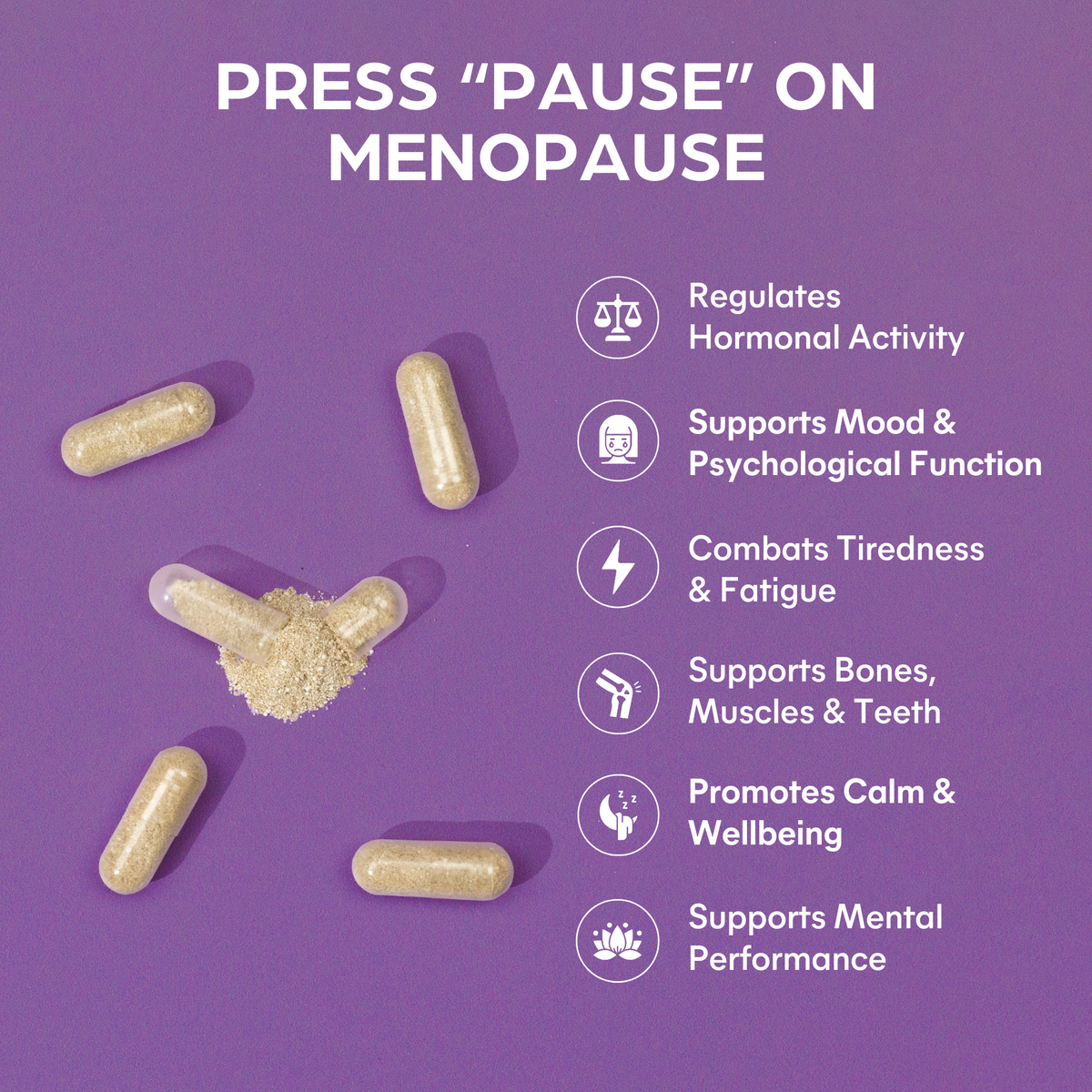
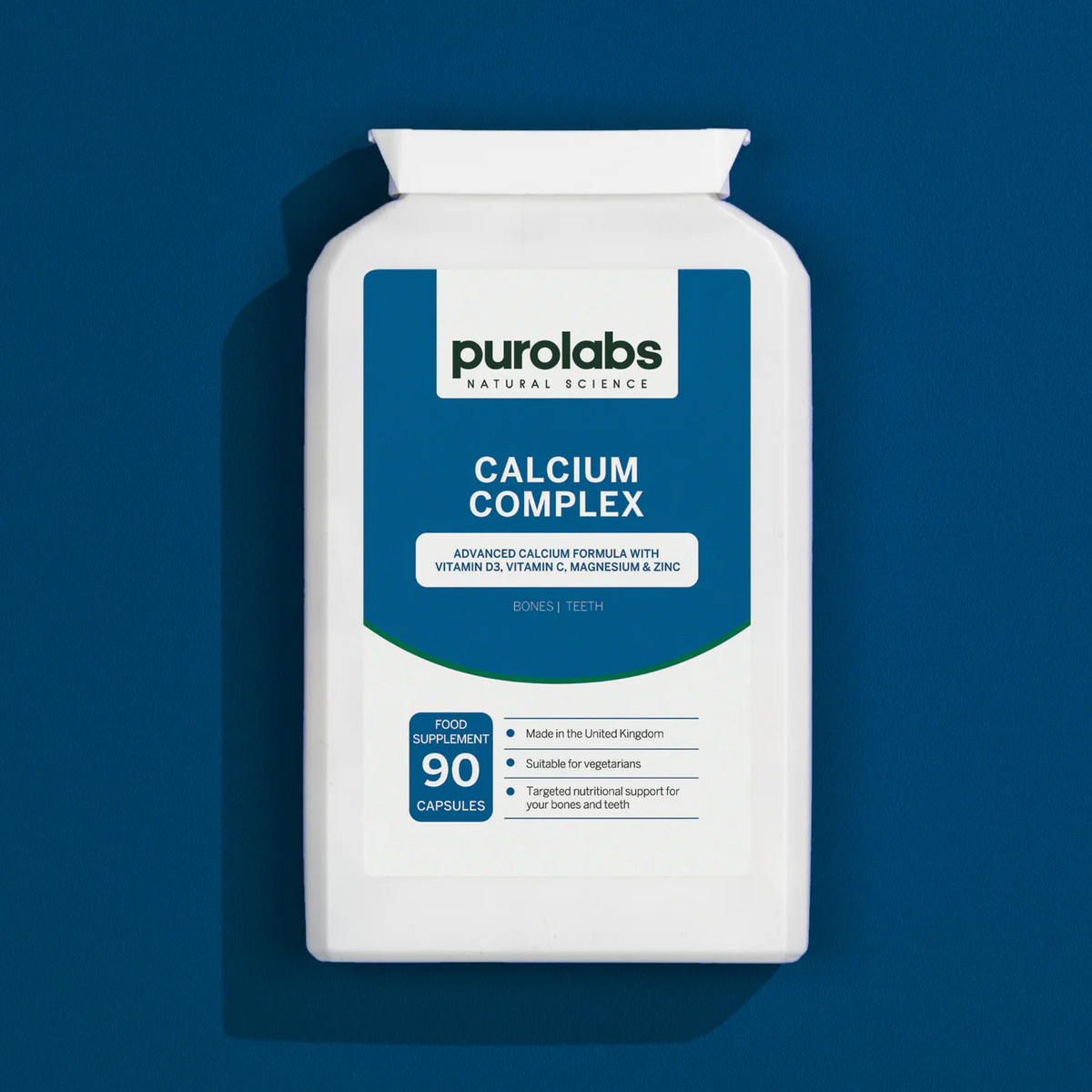
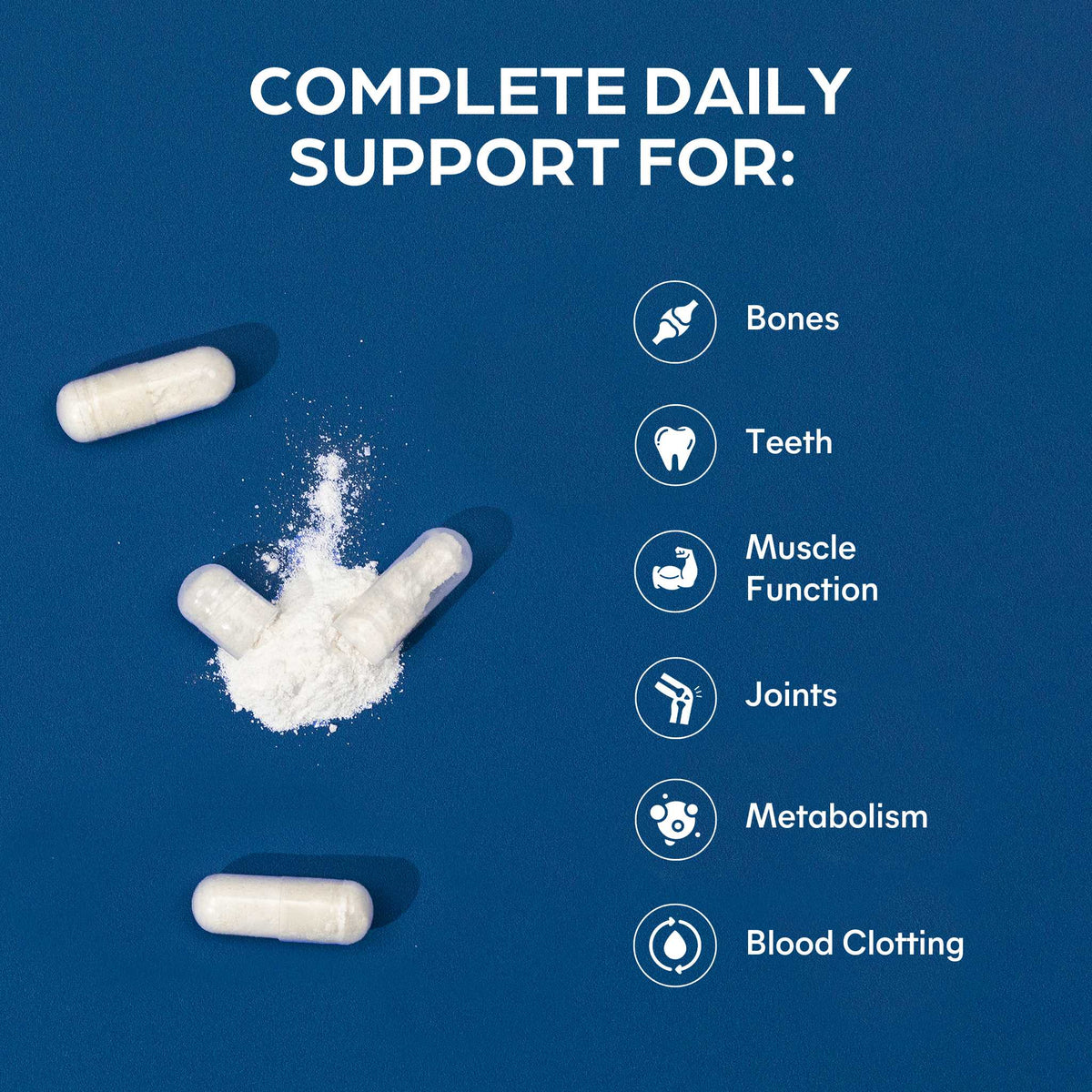
Purolabs Meno Complex was specifically formulated for this purpose, bringing together 14 evidence-backed natural ingredients: soy isoflavones (phytoestrogens that activate oestrogen receptors), sage extract (traditionally used to reduce hot flushes and night sweats), vitamin B6 (for hormonal activity regulation), magnesium (nervous system and energy support), Vitamin D3 (bone health and mood), calcium (bone protection), zinc (cognitive function and immunity), and Korean panax ginseng (adaptogenic adrenal support).
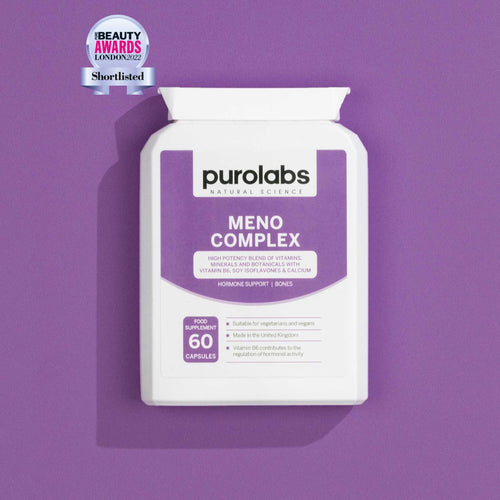
Menopause Complex
"Before starting I was having flashes and anxiety flutters which I had never had. After 2 weeks my focus improved, and after 5 weeks the flushes stopped. They have been gone now for over 2 weeks."
— Mandy C., verified Purolabs customer
"Night sweats were getting me down. After about 2 weeks I am noticing a huge difference — night sweats have gone, and I do not feel so anxious."
— Rebecca D., verified Purolabs customer
Lifestyle and Diet Foundations
A diet rich in protein (amino acids support hormone synthesis), healthy fats (cholesterol from dietary fat is the raw material from which steroid hormones including oestrogen are made), and diverse plant foods (providing phytoestrogens and fibre for the estrobolome) supports oestrogen production from the ground up. Conversely, a very low-fat diet can impair oestrogen synthesis, since the body cannot produce steroid hormones without adequate cholesterol.
Regular moderate exercise — particularly weight-bearing activity — supports bone density, cardiovascular health, and stress regulation, all areas closely linked to oestrogen health. Extreme exercise and very low body fat both suppress oestrogen production and should be approached carefully.
Supporting the liver is also relevant. The liver is the primary organ responsible for oestrogen metabolism and clearance. Purolabs Milk Thistle, which contains a high-strength 40:1 extract, supports liver function and has mild phytoestrogenic properties that complement other hormonal support strategies.
Frequently Asked Questions
Can you increase oestrogen through diet alone?
Diet can support the body's oestrogen-related systems meaningfully — through phytoestrogenic foods, estrobolome support, liver health, and providing the raw materials for hormone synthesis. However, for women in perimenopause or menopause, dietary measures alone are unlikely to fully compensate for the natural decline in ovarian oestrogen production. Dietary strategies work best as a foundation, with targeted supplementation added for additional support where needed.
Are phytoestrogens safe for women with oestrogen-sensitive conditions?
This is an important nuance. The evidence on phytoestrogens and oestrogen-sensitive conditions (such as oestrogen receptor-positive breast cancer) is complex and still evolving. Dietary phytoestrogens from whole foods are generally considered safe. Women with personal or family history of oestrogen-sensitive cancers should discuss phytoestrogen supplementation with their oncologist or GP before starting.
Can stress really affect oestrogen levels that significantly?
Yes. The HPA axis mechanism is well-established in the research literature. Chronic high cortisol directly suppresses the hypothalamic signalling required for ovarian oestrogen production. Women who manage to meaningfully reduce chronic stress often report improvements in hormonal symptoms — partly for this reason. This is also why adaptogenic herbs like ashwagandha and panax ginseng, which support the HPA axis, are used in hormonal support formulations.
What is the estrobolome and why does it matter?
The estrobolome is a subset of gut bacteria that regulate oestrogen metabolism through specific enzymes. A healthy estrobolome ensures appropriate oestrogen recycling and clearance. When disrupted — by antibiotics, poor diet, or stress — oestrogen metabolism becomes dysregulated. Supporting gut microbiome health with a probiotic is therefore not just a digestive intervention; it is a meaningful hormonal one too.
Does Meno Complex work alongside HRT?
Yes — Purolabs Meno Complex contains 100% natural ingredients with no hormones or drugs, and is designed to complement HRT rather than compete with it. As with any supplement taken alongside prescription medication, it is worth mentioning it to your GP or prescriber for completeness.