




Quick Answer: Hormonal imbalance in women is most effectively addressed through a combination of dietary changes, stress management, targeted exercise, and evidence-based supplementation. Key nutrients that support hormonal balance include Vitamin B6, magnesium, and adaptogenic herbs such as maca and ginseng. If symptoms are severe or persistent, always consult a GP or registered healthcare practitioner.
Your hormones touch almost everything. Your energy levels, your mood, the quality of your sleep, your skin, your cycle, your weight, all of these are regulated, at least in part, by the complex web of chemical messengers that make up your endocrine system. When everything is working in harmony, you barely notice them. When something is off, even slightly, the effects can ripple through every aspect of daily life.
For women especially, hormonal fluctuations are a constant across the lifespan, from the monthly rhythm of the menstrual cycle through perimenopause and beyond. Understanding what disrupts that rhythm, and what genuinely helps restore it, is one of the most useful things you can do for your long-term health.
This guide covers the most common signs of hormonal imbalance, the root causes behind them, and what the evidence supports when it comes to natural approaches. It is written to be practical and honest, not to sell you a quick fix, but to help you make informed choices.
What Are Hormones and Why Does Balance Matter?
Hormones are chemical messengers produced by the glands of the endocrine system, including the thyroid, adrenal glands, ovaries, and pituitary gland. They travel through the bloodstream to organs and tissues, telling them how to function. The human body produces over 50 different hormones, each with distinct roles: oestrogen and progesterone regulate the reproductive cycle, cortisol manages the stress response, insulin controls blood sugar, thyroid hormones regulate metabolism, and melatonin governs sleep.
Balance matters because these hormones do not operate in isolation. They influence and depend on each other. When cortisol is chronically elevated due to stress, it can suppress progesterone production. When oestrogen levels fluctuate during perimenopause, sleep, mood, bone health, and cardiovascular function are all affected. The endocrine system is sensitive to disruption, and modern life provides plenty of it.
Common Signs of Hormonal Imbalance in Women
Hormonal imbalance presents differently depending on which hormones are affected and to what degree. The following are among the most reported signs in women:
• Irregular, heavy, or absent periods
• PMS symptoms including mood swings, irritability, bloating, and breast tenderness
• Fatigue that does not improve with rest
• Acne, particularly around the chin and jawline
• Unexplained weight gain, especially around the abdomen
• Poor sleep quality or difficulty falling asleep
• Low libido
• Brain fog and difficulty concentrating
• Anxiety or low mood not explained by external circumstances
• Hot flushes, night sweats, or other perimenopausal symptoms
It is worth noting that many of these symptoms also have other causes. Only laboratory testing can confirm a hormonal imbalance with certainty. If symptoms are persistent or significantly affecting your quality of life, speak to your GP.
What Causes Hormonal Imbalance?
Hormonal imbalances rarely have a single cause. More often they reflect the accumulated effect of multiple factors, many of which are addressable through lifestyle changes.
Chronic stress is one of the most common contributors. The body prioritises cortisol production under sustained stress, which can compete with the production of sex hormones including progesterone. This is sometimes described as 'cortisol steal', though the precise mechanisms are nuanced.
Poor diet plays a significant role. Diets high in refined sugars and ultra-processed foods contribute to insulin resistance, which disrupts the hormonal environment broadly. Low intake of healthy fats affects the production of steroid hormones. Nutrient deficiencies, particularly in magnesium, zinc, Vitamin B6, and Vitamin D, which are also consistently associated with hormonal disruption.
Disrupted sleep affects both cortisol and melatonin rhythms, with knock-on effects on oestrogen and progesterone. Even a few nights of poor sleep can measurably alter hormonal profiles.
Perimenopause and menopause represent the most significant hormonal transition most women will experience. Oestrogen production declines and fluctuates unpredictably during perimenopause, contributing to a wide range of symptoms before settling at a lower stable level post-menopause.
Endocrine-disrupting chemicals (EDCs) found in certain plastics, pesticides, and cosmetic ingredients can interfere with hormone receptor activity. Minimising exposure to these is increasingly recommended by environmental health researchers.
8 Evidence-Supported Ways to Support Hormonal Balance
1. Prioritise sleep above almost everything else
Sleep is when the body repairs, regulates, and resets its hormonal systems. Growth hormone is released primarily during deep sleep. Cortisol follows a natural circadian rhythm that is disrupted by irregular sleep patterns. Aim for 7 to 9 hours of consistent, uninterrupted sleep each night. Going to bed and waking at the same time each day (including weekends) is one of the most effective ways to support this rhythm.
2. Manage your stress response actively
Chronic stress is hormonal disruption. It is not possible to eliminate stress entirely, but it is possible to change how your body responds to it. Regular practices shown to reduce cortisol include meditation, breathwork, yoga, time in nature, and social connection. Even 10 minutes of slow, deliberate breathing daily has measurable effects on the stress response. If stress is severe or persistent, speaking to a therapist or counsellor is worth considering. This is not a supplement problem.
3. Build a diet around whole, nutrient-dense foods
Hormones are made from the raw materials your diet provides. A few principles with strong evidence behind them:
• Eat adequate protein at every meal to support stable blood sugar and provide amino acid precursors for neurotransmitters
• Include healthy fats daily, avocado, oily fish, olive oil, nuts, and seeds are all sources of fatty acids needed for steroid hormone production
• Prioritise fibre from vegetables, legumes, and wholegrains to support oestrogen metabolism through the gut
• Limit refined sugars and ultra-processed foods, which promote insulin resistance and systemic inflammation
• Reduce caffeine and alcohol, both of which affect cortisol levels and sleep quality
4. Exercise regularly but don't overdo it
Moderate, consistent exercise supports hormonal health through multiple pathways: it improves insulin sensitivity, reduces cortisol, promotes better sleep, and helps maintain a healthy body composition. Walking, strength training, swimming, and yoga are all beneficial. Very high-intensity exercise without adequate recovery, on the other hand, can elevate cortisol and suppress reproductive hormones. Balance and consistency matter more than intensity.
5. Support your gut health
The gut microbiome plays a direct role in oestrogen metabolism through a collection of bacteria called the 'estrobolome'. When the gut microbiome is disrupted, oestrogen can be reactivated and recirculated rather than properly excreted, contributing to oestrogen dominance. A diet rich in prebiotic fibre and fermented foods, combined with a high-quality multi-strain probiotic, supports a healthy estrobolome.
6. Address key nutritional deficiencies
Several nutrients have well-established roles in hormonal health. Deficiencies in any of these are common in the UK population:
|
Nutrient |
Role in Hormonal Health |
UK Deficiency Risk |
|
Vitamin B6 |
Contributes to the regulation of hormonal activity; supports mood via neurotransmitter synthesis |
Moderate |
|
Magnesium |
Involved in over 300 enzymatic reactions; supports stress response and sleep |
High (estimated 70%+ of UK adults) |
|
Vitamin D |
Supports oestrogen synthesis and thyroid function; contributes to normal muscle function |
High (especially Oct to Apr) |
|
Zinc |
Supports normal cognitive function; involved in insulin signalling and immune function |
Moderate |
|
Omega-3 Fatty Acids |
Anti-inflammatory; supports cell membrane integrity and mood regulation |
High in those not eating oily fish |
7. Consider targeted herbal and botanical support
Several herbal ingredients have a long history of traditional use for hormonal health, with a growing body of clinical research supporting their use:
• Maca root: an adaptogenic herb used for centuries for energy, mood, and menopausal support. Preliminary research suggests it may help reduce hot flushes and improve mood during perimenopause.
• Sage extract: traditionally used for menopausal symptoms, particularly hot flushes and night sweats, with supporting clinical data.
• Soy isoflavones: natural phytoestrogens that may help buffer the effects of declining oestrogen levels during perimenopause.
• Ginger: well-evidenced for reducing menstrual pain and PMS severity.
• Evening primrose oil: a source of GLA (gamma-linolenic acid), traditionally used for PMS and hormonal skin symptoms.
Always discuss herbal supplementation with your GP if you are taking prescription medications, are pregnant or breastfeeding, or have a hormone-sensitive condition.
8. Reduce exposure to endocrine-disrupting chemicals
Practical steps include choosing glass or stainless steel over plastic for food storage and water bottles, opting for fragrance-free or naturally scented personal care products where possible, washing fruit and vegetables thoroughly, and choosing organic produce for the items with the highest pesticide residues where budget allows.
Purolabs Products for Hormonal Health
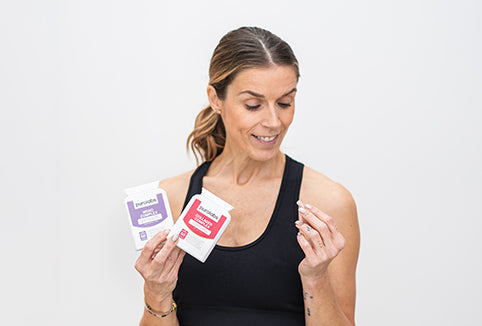
If you are looking for targeted supplement support, Purolabs offers two products specifically designed for women's hormonal health, both formulated without synthetic fillers, artificial colours, or preservatives.
Purolabs Hormonal Balance is designed for women experiencing PMS, irregular cycles, or general hormonal fluctuations. It combines Vitamin B6 (251% NRV) to support the regulation of hormonal activity with magnesium bisglycinate for mood and muscle function, ginger extract for menstrual comfort, and a botanical superfood blend including kelp, Montmorency cherry, and chromium.
"These tablets have changed my life. I've suffered from hormonal acne since my early 20s. After 3 months, my whole face is just flat, I have no cystic acne, no oily skin, and my mood is so much better."
– Yas, verified Purolabs customer

Hormonal Balance
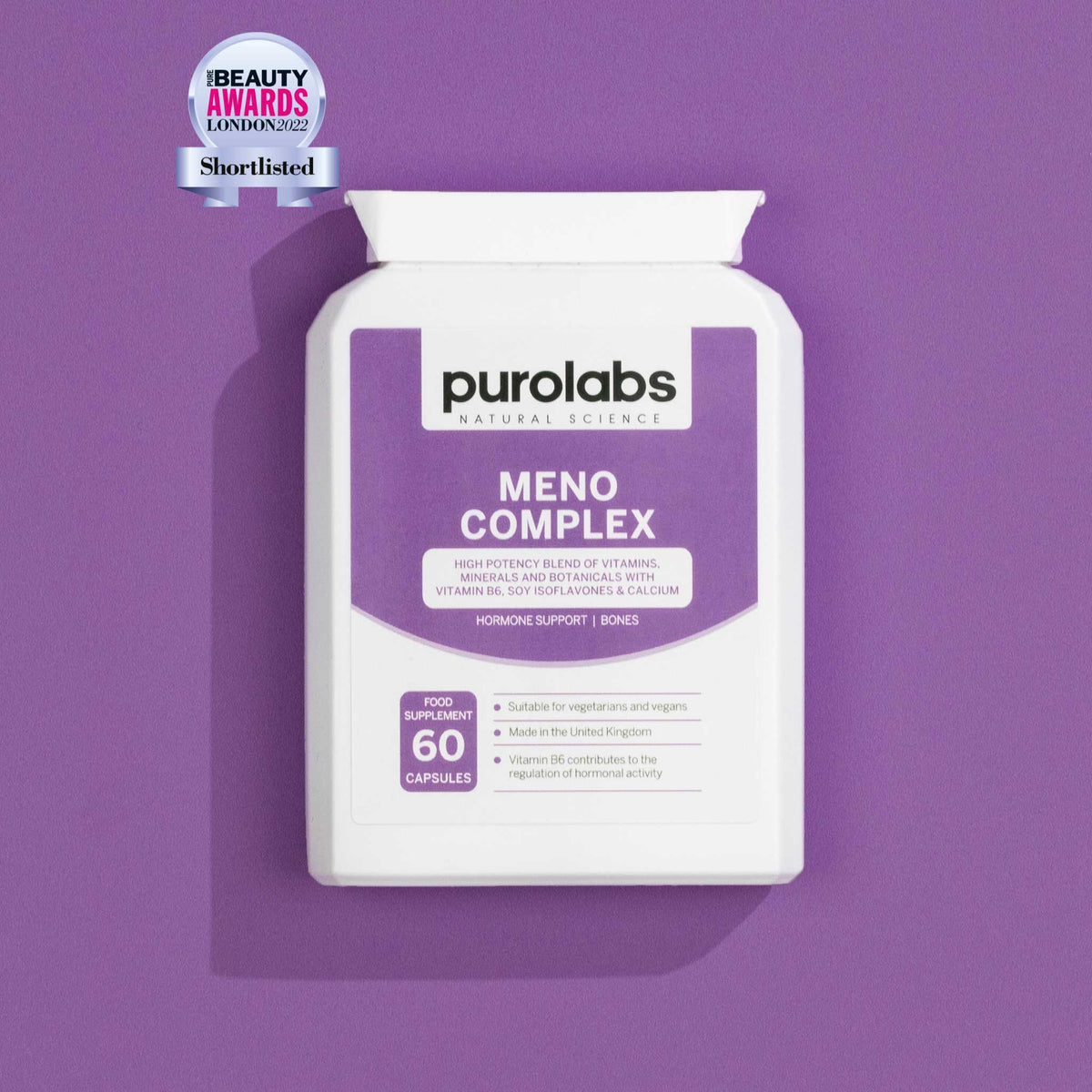
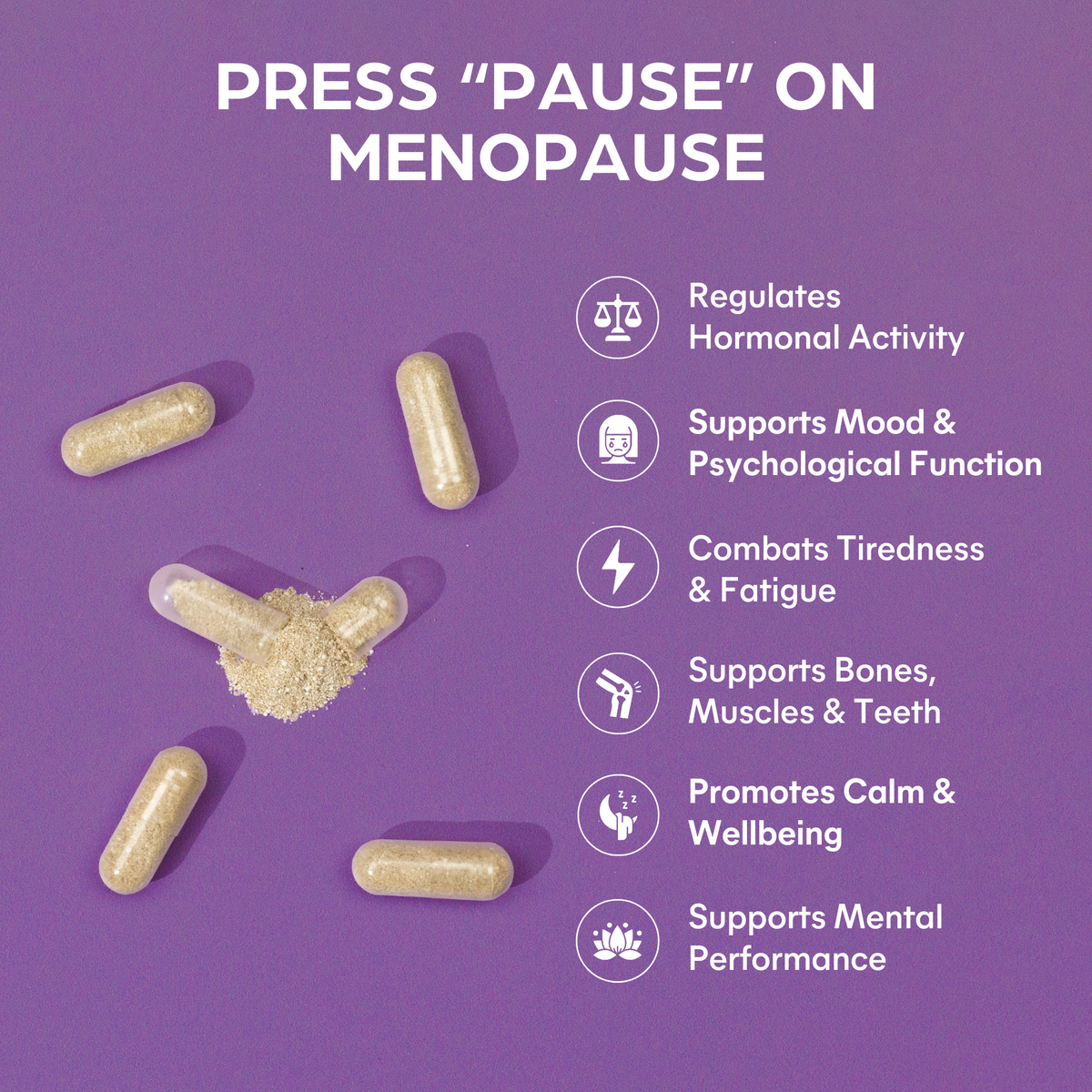
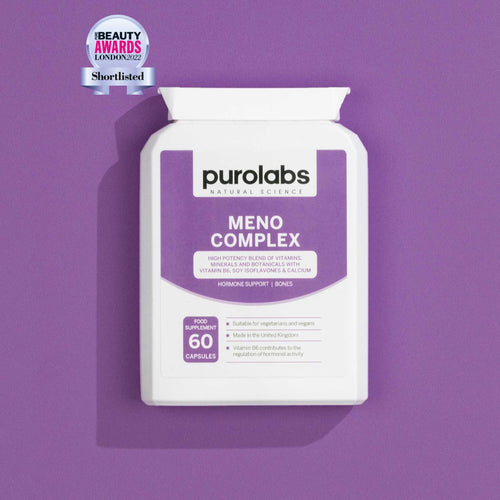
Purolabs Meno Complex is formulated for women in perimenopause and beyond. Its 14-ingredient formula includes sage extract and soy isoflavones for hot flush support, maca root for energy and mood, Vitamin B6 for hormonal regulation, and calcium with Vitamin D3 for bone maintenance. It can be taken alongside HRT or as a standalone approach, though we always recommend discussing this with your GP.
"Night sweats were getting me down. After about 2 weeks, I am noticing a huge difference. Night sweats have gone, and I don't feel so anxious."
– Rebecca D., verified Purolabs customer
"After 2 weeks, I noticed my focus improved, and then after 5 weeks, the flushes stopped. I'm so happy to say they've been gone now for over 2 weeks."
– Mandy C., verified Purolabs customer
Menopause Complex
When to See a GP
Natural approaches can be genuinely effective for supporting hormonal health, particularly for mild to moderate symptoms. However, some situations warrant medical assessment rather than self-management:
• Symptoms that are severe, worsening, or significantly affecting your quality of life
• Irregular periods that could indicate conditions such as PCOS or thyroid dysfunction
• Symptoms of perimenopause that are significantly disruptive, HRT remains the most clinically effective intervention for many women
• Any new symptoms you cannot explain
This article is for informational purposes only and does not constitute medical advice. Always consult a registered healthcare practitioner before starting any new supplement regime, particularly if you are taking medication or have an existing health condition.
Frequently Asked Questions
What are the most common signs of hormonal imbalance in women?
The most reported signs include irregular or painful periods, PMS symptoms such as mood swings and bloating, persistent fatigue, acne (particularly around the chin and jawline), poor sleep, and unexplained weight changes. These symptoms can overlap with many other conditions, so blood testing is the most reliable way to confirm a hormonal imbalance.
Can diet really make a difference to hormone levels?
Yes. Diet has a well-established influence on hormonal health. Adequate protein supports stable blood sugar and neurotransmitter production. Healthy fats are required for steroid hormone synthesis. Fibre supports oestrogen metabolism via the gut. Deficiencies in nutrients such as magnesium, zinc, and Vitamin B6 are directly associated with hormonal disruption.
What is the difference between PMS and perimenopause?
PMS (premenstrual syndrome) occurs in the days before a period due to the natural fluctuation of progesterone and oestrogen in the second half of the menstrual cycle. Perimenopause refers to the years of hormonal transition leading up to the menopause, which typically begins in a woman's mid-40s and can last up to 12 years. Symptoms overlap considerably, which can lead to confusion, particularly in women in their early 40s.
Is it safe to take hormonal supplements alongside HRT?
Purolabs Meno Complex contains no hormones or drugs and can generally be taken alongside HRT. However, you should always inform your GP or specialist of any supplements you are taking, particularly if your prescription is being adjusted.
How long does it take for hormonal supplements to work?
Most women taking targeted hormonal supplements notice initial improvements within 4 to 6 weeks, with fuller benefits typically apparent after 8 to 12 weeks of consistent use. Dietary and lifestyle changes generally take a similar timeframe to produce noticeable effects.
Which Purolabs supplement is better for PMS vs. perimenopause?
Purolabs Hormonal Balance is formulated specifically for PMS and cyclical hormonal fluctuations in younger women, with a focus on mood, cramps, bloating, and cycle regulation. Purolabs Meno Complex is designed for perimenopause and menopause, targeting hot flushes, night sweats, bone health, and the broader hormonal transition. Both products are clean, filler-free, and made in the UK to GMP standards.