Reviewed by Steph BakerRegistered MSc NutritionistLast Updated: February 2026
✓Expert Reviewed
Constant tiredness that coffee can't fix. Muscle cramps after a workout, or even just from sitting at a desk. Restless legs at night. Difficulty switching off and sleeping properly. These are not just signs of "getting older." They are often signs your body is running low on magnesium, one of the most common nutritional gaps in the UK.
Magnesium is involved in over 300 processes in your body, from energy production and muscle function to sleep, digestion, and nervous system regulation. Yet studies suggest nearly two-thirds of UK adults don't get enough from diet alone.
A quality supplement can help bridge that gap. The challenge is that not all magnesium supplements are equal. The form you choose determines how much your body actually absorbs, and whether it helps with your specific concerns. Some forms absorb as little as 4%, meaning most of what you swallow goes to waste.
We analysed over 20 magnesium supplements to find the 5 that actually deliver on absorption, purity, and value.
Your Top Magnesium Questions Answered
How do I know if I need magnesium?+
Common signs include persistent tiredness that sleep doesn't fix, muscle cramps or twitches, afternoon energy dips, and difficulty relaxing. Since two-thirds of UK adults don't get enough magnesium from diet alone, supplementation is worth considering if any of these sound familiar.
How do I choose the right type of magnesium?+
The form matters more than the dose. Magnesium citrate is one of the most well-absorbed forms available and is gentle on the stomach. Look for "non-buffered" citrate, which means no cheaper forms have been mixed in. Avoid products that list magnesium oxide as the main ingredient, as it absorbs poorly despite high label numbers.
How much magnesium do I need daily?+
The NHS recommends 300mg per day for men and 270mg for women. Most UK adults only get around 200mg from food, leaving a gap of 70-100mg or more. A quality supplement delivering 150-300mg of elemental magnesium citrate can comfortably bridge that gap. Higher doses are generally safe but unnecessary for most people.
Can magnesium help with muscle cramps?+
Research suggests it may. Magnesium regulates the flow of calcium in and out of muscle cells. When levels are low, muscles can contract more easily but struggle to relax, leading to cramps and twitches. Supplementing with a well-absorbed form like magnesium citrate may support normal muscle function and reduce the frequency of cramps over time.
Is magnesium safe to take every day?+
Yes. Magnesium is well-tolerated at recommended doses and designed for daily use. Some people notice mild digestive adjustment in the first few days, which typically settles quickly. The citrate form is particularly gentle on the stomach. If you take medication or have kidney concerns, consult your GP before starting any magnesium supplement.
Why People Take Magnesium
Energy and fatigue. Every cell in your body needs magnesium to convert food into usable energy. When levels drop, your body cannot produce energy as efficiently, which is why persistent tiredness is one of the earliest signs of deficiency.
Muscle cramps and restless legs. Magnesium helps muscles relax after contracting. Without enough, muscles can tighten involuntarily, leading to cramps, twitches, and the restless leg sensations that keep many people awake at night.
Digestion and regularity. Magnesium plays a role in digestive muscle contractions and helps draw water into the intestines. Many people find that supplementing with magnesium supports more comfortable, regular digestion.
Sleep and relaxation. Magnesium contributes to normal nervous system function and may help your body transition from alert mode to rest mode. It works alongside your natural sleep hormones to support a calmer wind-down in the evening.
Research Suggests A Quality Magnesium Supplement May:
✓Reduce tiredness and fatigue
✓Support normal muscle function and reduce cramps
✓Support energy-yielding metabolism
✓Contribute to digestive comfort and regularity
✓Support normal nervous system function and relaxation
✓Help maintain healthy bones and teeth
Why the Form of Magnesium Matters More Than the Dose
Most people compare magnesium supplements by looking at the number on the front of the bottle. 400mg must be better than 200mg, right? Not necessarily. The form of magnesium determines how much of that dose actually reaches your bloodstream.
Magnesium oxide is the most common form in budget supplements. It is cheap to produce and allows brands to print impressive numbers on the label. But research suggests only around 4% of magnesium oxide is absorbed. A 400mg oxide supplement may deliver as little as 16mg of usable magnesium.
Magnesium citrate tells a different story. It dissolves readily in water and absorbs significantly better in the gut. A 200mg citrate supplement can deliver more usable magnesium than a 400mg oxide product. This is why citrate is widely regarded as one of the most effective forms for daily supplementation.
There is one more detail to watch: "buffered" formulas. Some brands label their product as magnesium citrate but mix in cheaper magnesium oxide to bulk up the dose. This allows them to claim a higher milligram count while reducing the overall absorption. A true non-buffered magnesium citrate formula, with no oxide added, is the gold standard.
Choosing the Right Format For You
Magnesium citrate supplements come in several formats. Here is how they compare:
Capsules
Tablets
Powder
Mg Per Serving
150-300mg
200-400mg
200-400mg
Absorption
★★★★★
★★★★
★★★★★
Added Ingredients
✓
Binders needed
Often flavoured
Taste
✓
✓
Varies
Portability
★★★★★
★★★★★
★★
Best For
Daily use
Budget option
Flexible dosing
Our recommendation: For most people, capsules offer the best balance of absorption, convenience, and clean ingredients. They deliver a precise dose without the binders found in tablets or the taste issues of powders.
What To Look For In A Magnesium Supplement
✓Non-Buffered Magnesium Citrate
Magnesium citrate is one of the most bioavailable forms available, absorbing quickly and gently. Look for "non-buffered" on the label. Many brands mix in cheaper magnesium oxide to inflate the dose, which reduces overall absorption. True non-buffered citrate ensures you are getting the highly absorbable form.
✓Effective Dosage
Look for supplements providing at least 150-300mg of elemental magnesium per serving. Higher isn't always better, but you want enough to make a meaningful difference. The form matters more than mega-dosing.
✓Transparent Labelling
The label should clearly state the elemental magnesium content per serving, not just the weight of the magnesium citrate compound. A 500mg capsule of magnesium citrate may only deliver 80mg of actual magnesium. Brands that state the elemental dose upfront make it easy to compare products and know exactly what you are getting.
✓Made in the UK
UK-manufactured supplements must meet strict GMP (Good Manufacturing Practice) standards and are subject to independent quality audits. This means consistent potency, accurate labelling, and full ingredient traceability. Always check where your supplement is actually made, not just where it is sold. Products imported from less regulated markets may not undergo the same level of scrutiny.
✓Money-Back Guarantee
A brand that offers a money-back guarantee stands behind the quality of its product. It removes the risk from trying a new supplement and signals confidence in the formula. Look for at least a 30-day guarantee, ideally 60 days.
What To Avoid In A Magnesium Supplement
✗Magnesium Oxide and Buffered Formulas
Magnesium oxide absorbs poorly and can cause digestive upset. Some brands label their product as "citrate" but mix in cheaper oxide to inflate the dose. Check the ingredients carefully. If you see magnesium oxide listed alongside citrate, you are not getting a pure, highly absorbable product.
✗Unnecessary Additives
Watch out for titanium dioxide, magnesium stearate, artificial colours, and silicon dioxide. These fillers add nothing to the formula and may interfere with absorption. Quality brands use natural alternatives like rice flour and vegetable cellulose.
✗High Calcium Content
Large doses of calcium can compete with magnesium for absorption. Avoid combination products that pair high-dose calcium with magnesium, as this can reduce the effectiveness of both minerals.
Top 5 Magnesium Supplements Of 2026
After extensive testing and research, these are the products that made our list.
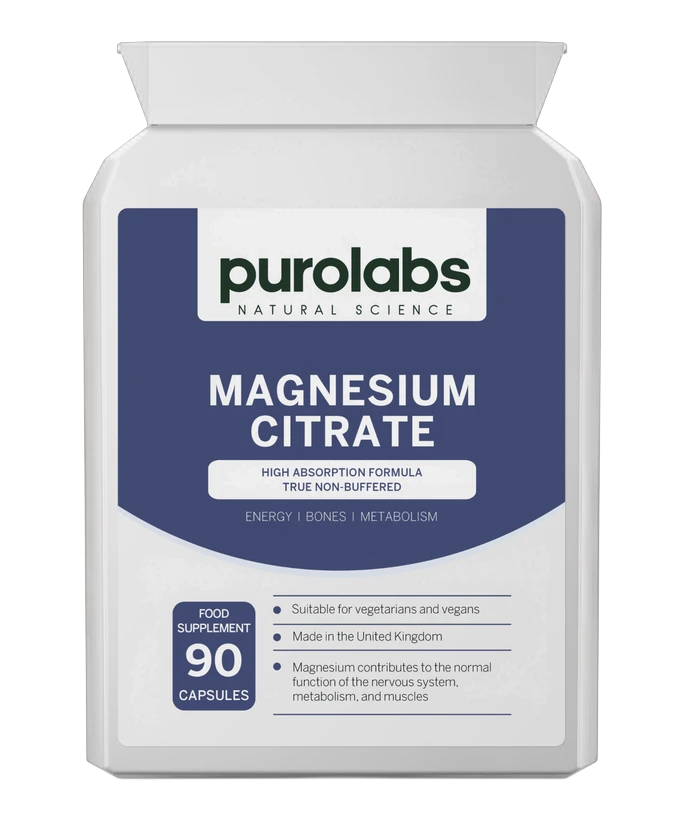
Magnesium Citrate by Purolabs earns our top spot for good reason. This is a true non-buffered magnesium citrate formula that delivers 210mg of highly bioavailable magnesium per serving, with no oxide mixed in.
What sets this product apart is its commitment to purity. The formula contains no titanium dioxide, magnesium stearate, or artificial additives. Just clean magnesium citrate in vegetable capsules. That matters because many competitors use these fillers, which can reduce absorption.
With a 60-day money-back guarantee and free UK delivery, it is a risk-free way to try a premium magnesium citrate supplement. UK-manufactured in GMP-certified facilities with full traceability.
Overall, Purolabs Magnesium Citrate earns our top recommendation for 2026.
*Results and rankings are based on subjective opinion and do not necessarily reflect typical results from the use of these products. Please visit product website for more information.
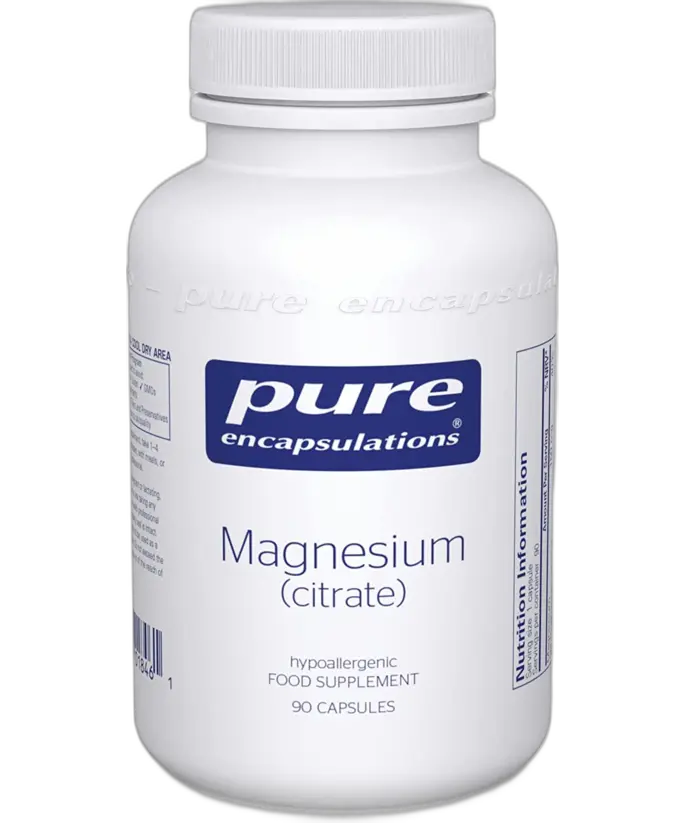
Pure Encapsulations has built a strong reputation in the professional supplement space. Their magnesium citrate uses a highly bioavailable chelated form that's well-absorbed and gentle on digestion.
The formula is impressively clean, free from gluten, wheat, eggs, nuts, and artificial ingredients. Each serving of 2 capsules delivers 300mg of elemental magnesium.
The main drawback is price. At £25-35 per bottle, it's one of the more expensive options on the market. It's also harder to find in UK retail, often requiring import from US stockists.
Best for: Those who prioritise pharmaceutical-grade quality and don't mind the premium price.
*Results and rankings are based on subjective opinion and do not necessarily reflect typical results from the use of these products. Please visit product website for more information.
Chapter One has created a genuinely enjoyable way to take magnesium. Their gummies use fruit pectin instead of gelatine and have a pleasant raspberry flavour that makes supplementation feel like a treat.
The formula is free from tree nuts, dairy, gluten, soy, and egg products, making it accessible for those with dietary restrictions. They're manufactured in a GMP-certified facility.
The trade-off is potency. Each serving of 2 gummies provides only 100mg of magnesium, meaning you'd need multiple servings to match capsule alternatives. Added sugars are also a consideration.
Best for: Families with children or adults who genuinely can't tolerate capsules.
*Results and rankings are based on subjective opinion and do not necessarily reflect typical results from the use of these products. Please visit product website for more information.
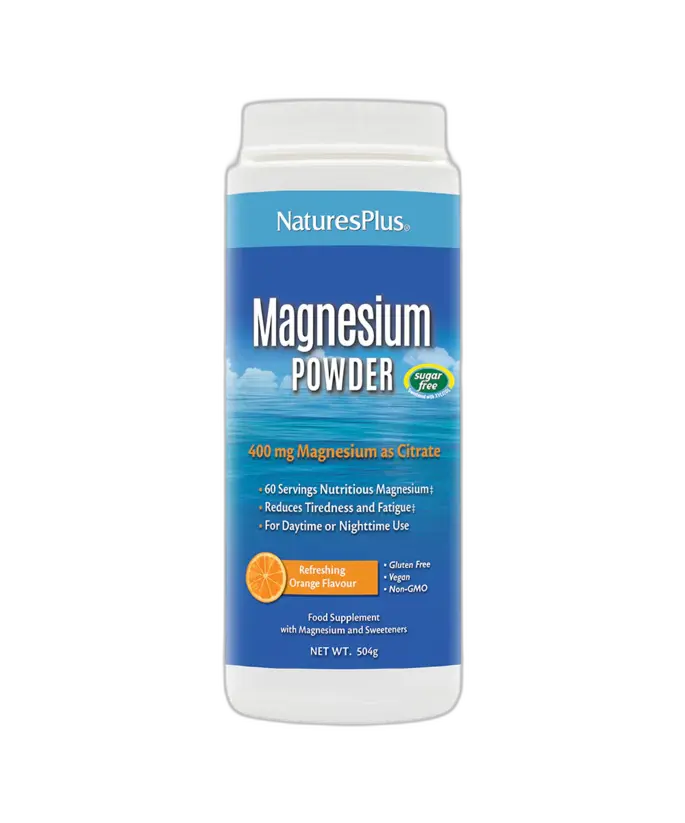
Nature's Plus KalmAssure delivers an impressive 400mg of magnesium citrate per serving, making it one of the higher-dose options available. The powder format allows for flexible dosing.
Available in both unflavoured and orange flavour, the product is vegan, gluten-free, and sugar-free. It dissolves reasonably well in water, though some users find the taste takes getting used to.
The main limitation is convenience. Powder supplements require daily mixing and aren't travel-friendly. The bulky container also takes up more storage space than capsule alternatives.
Best for: Those who prefer powders and want a higher dose with flexible serving sizes.
*Results and rankings are based on subjective opinion and do not necessarily reflect typical results from the use of these products. Please visit product website for more information.
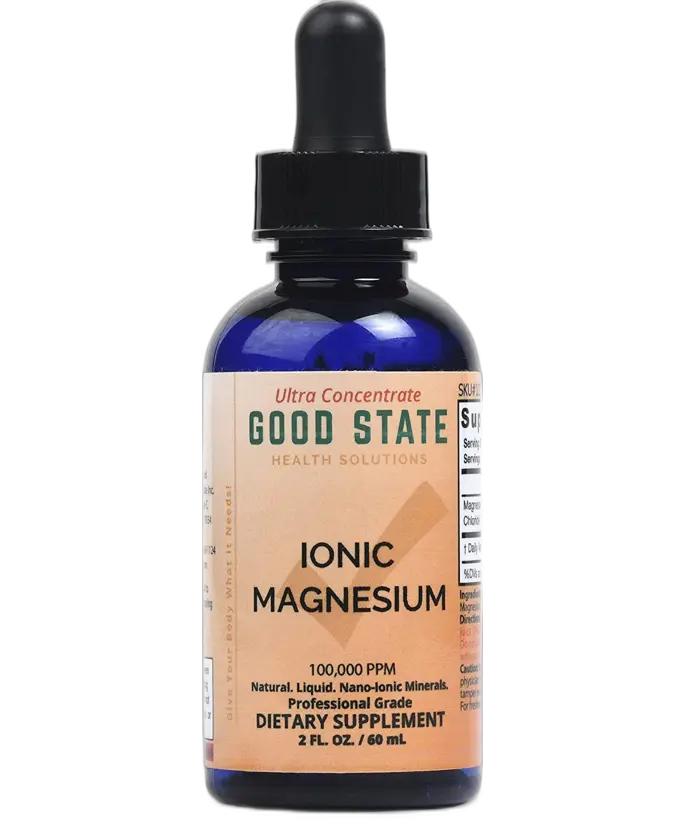
Good State takes a different approach with their liquid ionic magnesium drops. The idea is that nano-sized mineral particles may absorb more efficiently at the cellular level. It is a unique format that appeals to people who prefer liquid supplements.
The product is simple to use: 10 drops in water or juice delivers 50mg of magnesium. A single bottle provides approximately 100 servings, making it economical on a per-dose basis.
However, the low dose per serving means you would need multiple servings daily to match capsule alternatives for meaningful energy or muscle support. The ionic form also has less research backing compared to traditional magnesium citrate. Being a US import adds to the cost and delivery time for UK buyers.
Best for: Those who prefer liquid supplements and want a low daily dose they can add to any drink.
*Results and rankings are based on subjective opinion and do not necessarily reflect typical results from the use of these products. Please visit product website for more information.
This website is owned and operated by Purolabs Nutrition Ltd, which owns the product ranked number one on this page.
In addition, we may receive compensation from certain companies whose products are featured on this website when you purchase a product using the links on this website.