The Best Magnesium Bisglycinate Supplements for Sleep & Relaxation in 2026

From quality and safety to ratings and reviews, find out which magnesium supplements for sleep, relaxation and daily wellness we deemed best in class of 2026.

Best magnesium bisglycinate supplements for sleep and relaxation 2026
Steph Baker - Registered Nutritionist
Reviewed by Steph Baker Registered MSc Nutritionist
Expert Reviewed

If your mind races the moment your head hits the pillow, your legs twitch restlessly under the covers, or you find yourself wide awake at 3am for no apparent reason, you are far from alone. These frustrating sleep disruptions affect millions of people across the UK, and they often share a single, overlooked root cause: magnesium deficiency.

Magnesium is one of the most common nutritional deficiencies in the UK. Research suggests that more than half of adults may not be getting enough from their diet alone. It is involved in over 300 processes in the body, including the ones that tell your brain it is time to wind down.

Without adequate levels, your nervous system stays alert, making it nearly impossible to switch off at night.

Whether you are looking for better sleep, stress relief, or general wellness, you will quickly discover that not all forms of magnesium are equal. Some are better for energy and cramps, others for digestion, and only one form delivers a genuine dual benefit for relaxation and calm. The form you choose determines whether you actually feel a difference.

We analysed dozens of magnesium supplements to find the five that deliver the best results for sleep quality and relaxation, comparing forms, absorption rates, purity, and real-world results.

Your Top Magnesium Questions Answered
Which type of magnesium is best for sleep? +

Magnesium bisglycinate (also called glycinate) is widely regarded as the best form for sleep. It pairs magnesium with glycine, giving you two ingredients working together. Citrate is better suited for energy and muscle function. Oxide is the cheapest form but absorbs poorly. If sleep is your primary goal, bisglycinate is the clear choice.

When is the best time to take it? +

Take it 1 to 2 hours before bedtime. This gives your body time to absorb the mineral and allows its calming effects to take hold as you wind down. Some people find splitting the dose (one capsule with dinner, one before bed) works well. The NHS recommends 300mg daily for men and 270mg for women as a general guideline.

How long before I notice a difference? +

Many people feel more relaxed within the first few days. Meaningful improvements in sleep quality typically take 2 to 4 weeks of consistent use. If you are significantly deficient, it may take 4 to 6 weeks for magnesium levels to fully replenish. Consistency matters more than dose size. Taking it at the same time each evening helps establish a routine your body can respond to.

Is magnesium bisglycinate safe to take every night? +

Yes. Bisglycinate is one of the best-tolerated forms of magnesium and is designed for daily use. At recommended doses (200 to 400mg elemental magnesium), it is well suited for nightly supplementation. If you take blood pressure medication, blood thinners, or antibiotics, check with your GP first.

How much should I take? +

Look for a product providing 200 to 400mg of elemental magnesium per serving. This is the range most research supports. Be careful with labels: the big number on the front is usually the compound weight, not the actual magnesium. Check the nutrition panel for the elemental figure.

Can magnesium help with stress & anxiety? +

Research suggests magnesium may support normal psychological function, which includes how you respond to stress. Many people report feeling noticeably calmer and less "wired" after consistent supplementation. The bisglycinate form is particularly relevant because of the added glycine component. While magnesium is not a treatment for clinical anxiety, it may help take the edge off everyday tension.

6 Signs You Need More Magnesium
Tired but Can't Fall Asleep
+

You are exhausted, but the moment you lie down your brain refuses to switch off. This is a hallmark sign of low magnesium. Without adequate levels, your body struggles to transition from wakefulness to sleep. Magnesium helps activate the "rest and digest" mode your body needs to wind down.

Waking Up at 3am
+

Frequent night-time waking, particularly in the early hours, is closely linked to magnesium deficiency. Magnesium helps regulate your sleep hormones and keep your body in a relaxed state throughout the night. When levels are low, your stress hormones can spike prematurely, pulling you out of deep sleep. Research suggests that magnesium supplementation may help improve both sleep duration and sleep quality.

Restless Legs or Night Cramps
+

That irresistible urge to move your legs or sudden calf cramps that jolt you awake are often signs of magnesium depletion. Magnesium helps muscles relax after contracting. When levels are low, muscles can tighten involuntarily, particularly at night when your body is trying to rest.

Anxious, Wired, or On Edge
+

When magnesium levels are low, your brain struggles to shift down from "alert mode." This can show up as a persistent feeling of being on edge, racing thoughts, or an inability to relax even when you know you should. Consistent supplementation may help take the edge off and make it easier to unwind.

Eye Twitches or Tension Headaches
+

Involuntary eye twitching and facial tics are among the earliest and most recognisable signs of magnesium depletion. These small muscle spasms occur because magnesium is needed to regulate nerve signalling. Tension headaches, particularly those that worsen in the evening, can also be linked to low magnesium. These symptoms often resolve within weeks of consistent supplementation.

Still Tired After a Full Night's Sleep
+

You sleep for 7 or 8 hours but still wake up feeling drained. This is often because magnesium deficiency prevents you from reaching the deeper stages of restorative sleep. Without adequate deep sleep, your body cannot properly recover, leaving you feeling fatigued regardless of time spent in bed.

Why Bisglycinate Is the Best Form for Sleep

Not all magnesium is the same. Cheap forms like oxide look impressive on the label but your body barely absorbs them. Bisglycinate is different. It pairs magnesium with glycine, an amino acid that has its own calming effect, giving you two ingredients working together instead of one.

Better absorbed. More magnesium actually reaches your bloodstream, so you feel a genuine difference from a normal dose.

Calms your mind and body. Magnesium relaxes the nervous system while glycine may help lower your body temperature, a natural signal that tells your brain it is time to sleep.

No stomach issues. Unlike citrate, bisglycinate does not have a laxative effect. You can take it every night without digestive discomfort.

A Quality Magnesium Supplement Can:
  • Support restful, restorative sleep quality
  • Help calm the nervous system before bed
  • Help reduce feelings of stress and everyday tension
  • Support normal mood and emotional balance
  • Reduce muscle tension and night-time cramps
  • Support the reduction of tiredness and fatigue

Choosing The Right Format

Magnesium supplements come in several delivery formats. Each has trade-offs when it comes to potency, convenience, and suitability for a bedtime routine. Here is how they compare.

Powder
Capsules
Gummies
Ease of Use Mix daily Grab & go Chewable
Taste Varies None Sweet
Added Sugar None None 2-3g per dose
Potency ★★★★ ★★★★★ ★★
Additives Varies Minimal Sugars, colours
Best For Flexible dosing Potency + purity Taste-sensitive beginners

Our recommendation: Capsules deliver the highest potency per serving with the best absorption rate and are the most practical choice for a consistent bedtime routine. Powders offer flexible dosing but require daily mixing. Gummies taste pleasant but contain significantly less elemental magnesium and often include added sugars or sweeteners.


What To Look For In A Magnesium Supplement
Bisglycinate or Glycinate Form

The form matters more than the dose. Look for "magnesium bisglycinate" or "magnesium glycinate" on the label. Both names mean the same thing. If the label just says "magnesium" without specifying the form, or lists oxide as the source, keep looking.

Check the Real Magnesium Dose (200-400mg)

Labels can be misleading. A big number on the front often refers to the total compound weight, not the actual magnesium. Always look for the "elemental magnesium" figure on the nutrition panel. You want at least 200mg per serving to feel a real difference.

Chelated Magnesium

"Chelated" means the magnesium is bonded to an amino acid, which protects it through digestion so more reaches your bloodstream. Bisglycinate is a chelated form. Oxide and carbonate are not. If you see "chelated magnesium" on the label, that is a positive sign of a well-absorbed formula.

Made in the UK

UK-manufactured supplements must meet strict quality standards and are subject to regular inspections. This gives you much greater confidence in what you are taking compared to products imported from countries with weaker regulations. Check the label for "Made in the UK" or "UK manufactured."

Money-Back Guarantee

A brand that offers a money-back guarantee stands behind the quality of its product. It removes the risk from trying a new supplement and signals confidence in the formula. Look for at least a 30-day guarantee, ideally 60 days.

What To Avoid In A Magnesium Supplement
Misleading Labels & Hidden Doses

Some products shout "500mg magnesium" on the front but use the cheapest form, which your body barely absorbs. That 500mg capsule might deliver as little as 20mg of usable magnesium. Watch out for "magnesium blends" too, where brands mix a tiny amount of bisglycinate with cheaper forms without telling you how much of each is included. Always check which form is used and how much of each you are actually getting.

Fillers & Bulking Agents

Flip the bottle over and read the "other ingredients" list. If you see things like titanium dioxide, magnesium stearate, talc, or silicon dioxide, those are cheap manufacturing shortcuts, not ingredients for your benefit. They take up space in the capsule that could go to actual magnesium. A good supplement should have a short, simple ingredients list you can actually understand.

High Sugar Content

Some supplement formats contain 2 to 3g of added sugar per serving from glucose syrup and sweeteners. This limits the space available for the active ingredient, meaning a lower magnesium dose per serving. If you choose a flavoured or chewable format, check the sugar content on the label and compare the actual magnesium dose against alternatives.

Top 5 Magnesium Bisglycinate Supplements Of 2026

After extensive testing and research, these are the products that made our list.

A Overall Grade

Pros

  • High-quality bisglycinate form from a trusted professional-grade brand
  • NSF Certified for Sport, independently verified for purity
  • Powder format dissolves easily, ideal for those who struggle with capsules
  • Pleasant citrus flavour with no artificial sweeteners
  • Flexible dosing allows you to adjust your intake precisely

Cons

  • Higher price point at £35-40 per container
  • Provides roughly 200mg elemental magnesium per scoop, less than capsule alternatives
  • Requires daily mixing, less convenient for a bedtime routine

The Bottom Line

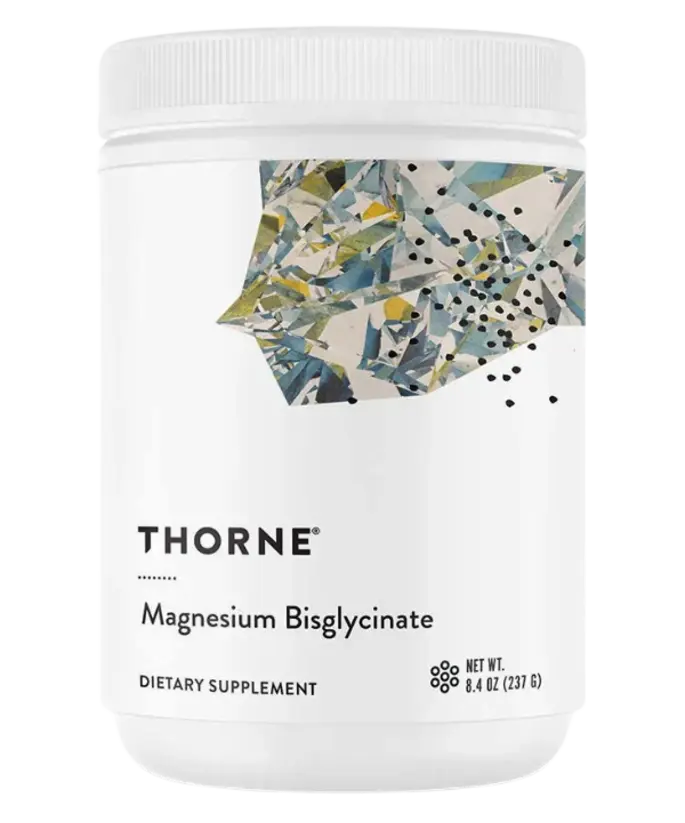
Thorne has built a strong reputation in the professional supplement space, and the NSF Certified for Sport designation means this product has been independently tested and verified for label accuracy. The powder format dissolves well in water with a pleasant citrus taste, and the flexible dosing lets you dial in your preferred amount.

The trade-off is a slightly lower magnesium dose per serving than capsule options, and the daily mixing can feel like a chore at bedtime. Best for athletes and those who prefer a powder format.

*Results and rankings are based on subjective opinion and do not necessarily reflect typical results from the use of these products. Please visit product website for more information.

A- Overall Grade

Pros

  • Pure magnesium glycinate form from a trusted professional brand
  • Liquid format with pleasant fruit flavour, easy to take before bed
  • Free from common allergens including gluten, soy, and dairy
  • Well-absorbed liquid delivery, faster onset than solid forms
  • Trusted professional-grade brand used by practitioners

Cons

  • Expensive at £45-50 per bottle
  • Lower elemental magnesium per serving (approximately 165mg)
  • Requires refrigeration after opening, reducing portability

The Bottom Line

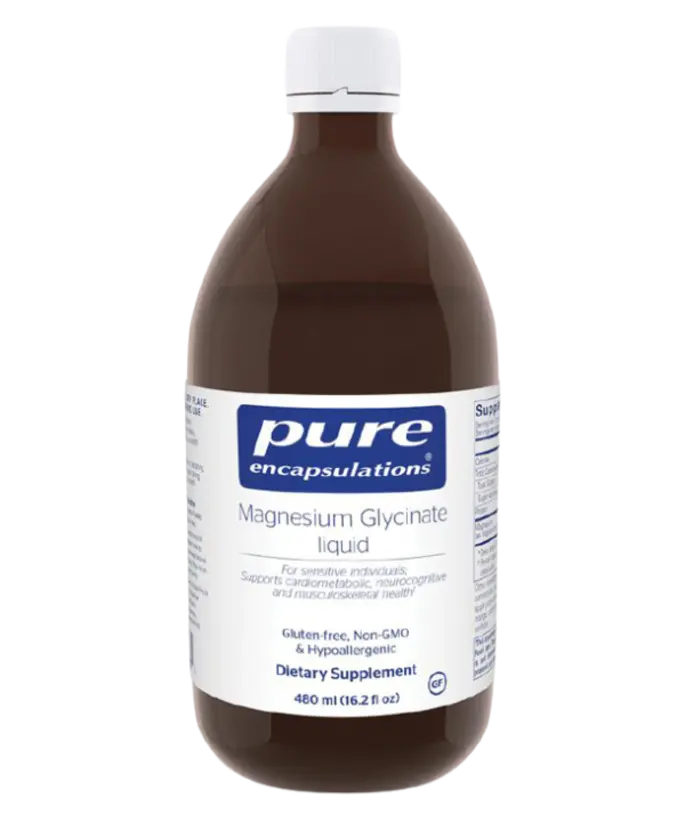
Pure Encapsulations is widely respected among healthcare practitioners, and the liquid format offers faster absorption than capsules. The pomegranate-orange flavour makes it a pleasant addition to an evening routine, and the allergen-free formulation is a genuine strength for anyone with sensitivities.

The trade-off is price. At around £45-50 per bottle with a slightly lower magnesium dose per serving, it is the premium option in our roundup. Best for those who prefer liquid supplements and value a practitioner-grade formula.

*Results and rankings are based on subjective opinion and do not necessarily reflect typical results from the use of these products. Please visit product website for more information.

B+ Overall Grade

Pros

  • Combines magnesium glycinate with malate for dual benefits
  • Natural tangerine flavour, pleasant tasting liquid
  • 200mg magnesium per serving, reasonable potency for a liquid
  • More affordable than other liquid options on the market

Cons

  • Not pure bisglycinate, blended with magnesium malate
  • Contains agave nectar (added sugar)
  • Requires measuring each dose with no pre-measured servings
  • May cause loose stools in sensitive individuals due to the malate component

The Bottom Line

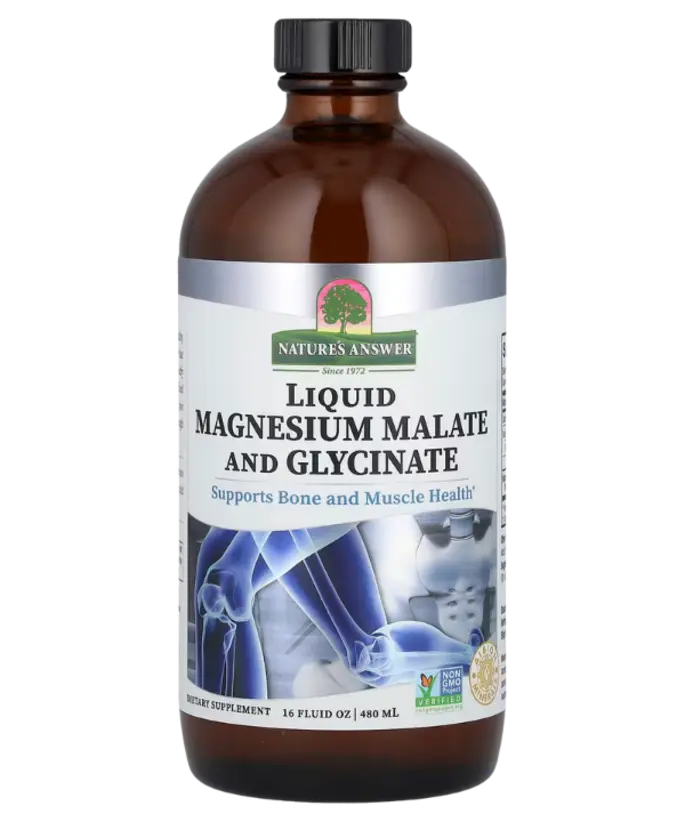
Nature's Answer offers a budget-friendly liquid option that blends magnesium glycinate with magnesium malate. The tangerine flavour is pleasant, at 200mg per serving the potency is respectable for a liquid, and the brand has over 45 years of experience in natural supplements.

The trade-off is that the formula includes agave nectar and requires measuring each dose yourself. A solid affordable option for anyone who prefers a liquid format.

*Results and rankings are based on subjective opinion and do not necessarily reflect typical results from the use of these products. Please visit product website for more information.

B Overall Grade

Pros

  • Contains genuine magnesium glycinate, not oxide or citrate
  • Enjoyable pineapple flavour, easy to take for supplement beginners
  • Includes complementary ingredients like ashwagandha and lemon balm
  • Good introduction to magnesium for those who dislike pills and powders

Cons

  • Lower bioavailability in gummy format compared to capsules
  • Contains sweeteners (xylitol) and additional additives
  • Need multiple gummies to approach a therapeutic dose
  • More expensive per milligram of elemental magnesium than capsule options

The Bottom Line

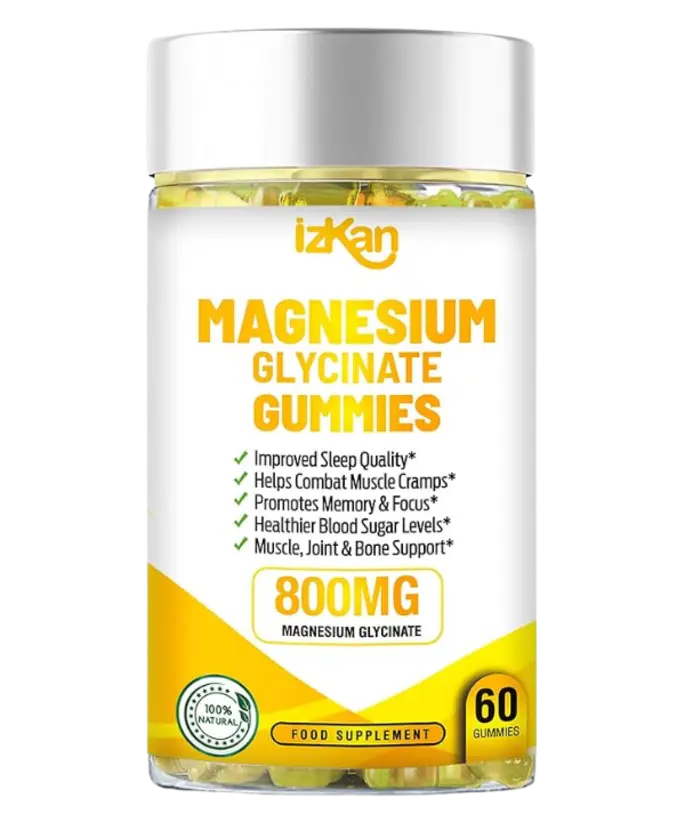
Izkan's pineapple-flavoured gummies make taking magnesium genuinely enjoyable, which counts for something if you have struggled to stick with capsules or powders in the past. The inclusion of ashwagandha and lemon balm is a thoughtful touch, and the low barrier to entry makes it a great starting point for supplement beginners.

The trade-off is a lower magnesium dose per serving and a higher cost per milligram than capsule alternatives. Best for those who value taste and convenience over maximum potency.

*Results and rankings are based on subjective opinion and do not necessarily reflect typical results from the use of these products. Please visit product website for more information.

CITATIONS

  1. Abbasi, B. et al. "The effect of magnesium supplementation on primary insomnia in elderly." Journal of Research in Medical Sciences, 2012. PMID: 23853635
  2. Bannai, M. & Kawai, N. "New therapeutic strategy for amino acid medicine: glycine improves the quality of sleep." Journal of Pharmacological Sciences, 2012. DOI: 10.1254/jphs.11R04FM
  3. Held, K. et al. "Oral Mg2+ supplementation reverses age-related neuroendocrine and sleep EEG changes in humans." Pharmacopsychiatry, 2002. DOI: 10.1055/s-2002-33195
  4. EFSA Panel on Dietetic Products, Nutrition and Allergies. "Scientific Opinion on health claims related to magnesium." EFSA Journal, 2010. DOI: 10.2903/j.efsa.2010.1807
  5. Public Health England. "National Diet and Nutrition Survey: assessment of dietary sodium, potassium, and magnesium." NDNS Rolling Programme, 2020.
  6. Inagawa, K. et al. "Subjective effects of glycine ingestion before bedtime on sleep quality." Sleep and Biological Rhythms, 2006. DOI: 10.1111/j.1479-8425.2006.00193.x
  7. Schwalfenberg, G.K. & Genuis, S.J. "The Importance of Magnesium in Clinical Healthcare." Scientifica, 2017. DOI: 10.1155/2017/4179326