Reviewed by Steph BakerRegistered MSc NutritionistLast Updated: February 2026
✓Expert Reviewed
A cut on your hand that takes weeks to close. Another cold you cannot seem to shake. Skin that looks dull no matter what you try. Food that tastes oddly flat. These symptoms seem unrelated, yet they often trace back to the same place: a mineral your body cannot store.
Zinc is involved in over 300 enzymatic reactions, from building immune cells to synthesising proteins for skin repair. But unlike iron or vitamin D, your body has no reservoir for it. Every day your levels reset to zero. Miss a few days of adequate intake and the effects cascade: immune defence drops, wound healing stalls, taste and smell dull, and hormone production falters.
The challenge runs deeper than diet. Modern farming has depleted soil zinc by up to 30% since the 1940s, meaning even a genuinely balanced diet delivers less zinc than it did a generation ago. Studies suggest that up to 15% of UK adults fall short of optimal levels. This is the invisible deficiency. You cannot easily test for it, and the symptoms mimic dozens of other conditions.
Supplementation is the most reliable fix, but the form of zinc matters enormously. Many products on the market use poorly absorbed forms that upset the stomach or simply pass through unused. We tested and reviewed the top zinc supplements available in the UK to help you find one that actually works.
Your Top Zinc Questions Answered
How much zinc do I need daily?+
The UK Nutrient Reference Value (NRV) for zinc is 10mg per day. However, the NHS recommends 9.5mg for men and 7mg for women. Many nutritionists suggest 15mg daily to maintain optimal levels, particularly if you exercise regularly, follow a plant-based diet, or experience chronic stress. The tolerable upper limit is 25mg per day for adults.
Why does the form of zinc matter?+
Zinc comes in many chemical forms, and they are not equally absorbed. Chelated forms, where zinc is bonded to amino acids, are protected through the digestive tract and absorbed far more efficiently than cheap mineral salts. The form you choose directly determines how much zinc your body actually uses, which is why it is the single most important factor to check on any label.
Can I get enough zinc from food alone?+
It depends on your diet. Oysters are the richest source (over 30mg per serving), but most people rely on red meat, poultry, beans, and nuts. The challenge is that plant-based sources contain phytates, which bind to zinc and reduce absorption by up to 50%. Vegetarians, vegans, and anyone eating a predominantly plant-based diet may struggle to reach optimal levels through food alone.
When is the best time to take zinc?+
Take zinc with a meal that contains protein for the best absorption. Avoid taking it alongside calcium, iron, or copper supplements, as these minerals compete for the same absorption pathways. If you take a multivitamin containing these minerals, space your zinc supplement at least two hours apart.
Can too much zinc be harmful?+
Yes. Chronic intake above 25mg per day can interfere with copper absorption, which your body needs for energy production and connective tissue health. At excessive doses, zinc can also cause headaches, nausea, and altered mineral balance. A well-formulated supplement provides 15mg, enough to support optimal levels without risking adverse effects.
6 Signs You May Need a Zinc Supplement
You Catch Every Cold Going Around
+
Zinc is essential for the development and function of immune cells, including T-cells and natural killer cells. If you find yourself catching every cold, sore throat, or seasonal bug, your zinc levels may be running low. Research suggests that adequate zinc can reduce the duration of the common cold by up to 33%.
Cuts and Wounds Heal Slowly
+
Zinc plays a central role in every phase of wound healing, from inflammation control to tissue repair and collagen synthesis. If small cuts, grazes, or blemishes seem to linger far longer than they should, your body may not have the zinc it needs to repair itself efficiently.
Persistent Skin Problems or Acne
+
Zinc contributes to the maintenance of normal skin through its role in cell division and its anti-inflammatory properties. Persistent acne, rosacea, dermatitis, or dry, flaky patches can all be linked to suboptimal zinc levels. Studies suggest that people with acne often have measurably lower serum zinc than those with clear skin.
Thinning Hair or Brittle Nails
+
Zinc is required for protein synthesis and cell division, both of which are critical for hair growth and nail strength. Thinning hair, excessive shedding, or nails that split and break easily can indicate that your body is diverting zinc away from these "non-essential" functions to prioritise immune defence and wound repair.
Reduced Sense of Taste or Smell
+
Zinc is essential for the production of gustin, a protein needed for taste bud function. If foods taste bland or you have noticed a reduced sense of smell, zinc deficiency may be the cause. This is one of the earliest and most specific indicators, often appearing before other symptoms become obvious.
Brain Fog and Poor Concentration
+
Zinc is involved in neurotransmitter signalling and synaptic function. Low levels have been associated with difficulty concentrating, poor memory, and a general feeling of mental sluggishness. Research indicates that zinc supplementation may support cognitive performance, particularly in those whose levels are suboptimal.
Why People Take Zinc
Over 300 enzymatic reactions depend on zinc. Think of it as the body's backstage crew. It never takes a bow, but without it the entire production falls apart. When you fight off a virus, zinc helps activate T-cells. When a cut closes, zinc supports the collagen synthesis that knits tissue together. It also contributes to normal fertility and reproduction, and helps maintain normal testosterone levels in the blood.
Your body cannot store zinc for later. Unlike fat-soluble vitamins that accumulate in tissue, zinc is water-soluble and excreted daily. That makes consistent intake non-negotiable. Those at the highest risk of falling short include vegetarians and vegans (plant phytates block up to 50% of zinc absorption), older adults over 60, athletes with high sweat losses, and anyone with a digestive condition that impairs nutrient uptake.
Even a mild shortfall shows up as multiple symptoms at once. That is why zinc is sometimes called the body's "silent workhorse." Correcting a deficiency may produce noticeable improvements in immunity, skin clarity, hair density, fertility, and energy, often within four to eight weeks of consistent supplementation.
Research Suggests A Quality Zinc Supplement May:
✓Support normal immune system function
✓Help maintain healthy skin, hair and nails
✓Contribute to normal fertility and reproduction
✓Support normal cognitive function
✓Help protect cells from oxidative stress
✓Contribute to normal macronutrient metabolism
Choosing the Right Zinc Format
Once you have settled on the right form of zinc, the next decision is how you want to take it. Capsules, tablets, gummies, and liquids each come with trade-offs worth understanding:
Capsules
Tablets
Gummies
Absorption
★★★★★
★★★
★★★
Clean Formula
✓
Binders
Sugars
Convenience
Grab & go
Grab & go
Tasty
Stomach Comfort
✓
Varies
✓
Dose Control
Precise
Precise
Imprecise
Best For
Daily use
Budget
Pill-averse
Our recommendation: For most people, capsules offer the best balance of absorption, clean formulation, and convenience. They avoid the sugars in gummies and the binding agents in tablets.
What To Look For In A Zinc Supplement
✓Zinc Bisglycinate Form
Not all zinc is created equally. Zinc bisglycinate (chelated zinc) is one of the most bioavailable forms available. The amino acid bonding protects it through the digestive tract and delivers it efficiently to the intestinal wall, with significantly fewer of the stomach-upset issues associated with zinc sulfate or oxide.
✓Optimal Dosage (15mg)
Look for a supplement providing 15mg of elemental zinc per serving. This delivers 150% of your daily requirement, enough to top up levels without risking excess. Some products provide much higher doses, but more is not always better with zinc.
✓Clean Formula
The best zinc supplements avoid unnecessary fillers, artificial colours, and synthetic additives like magnesium stearate or titanium dioxide. These can reduce absorption and offer no health benefit. Look for products with minimal, natural excipients.
✓Made in the UK to GMP Standards
UK-manufactured supplements are produced under strict Good Manufacturing Practice (GMP) standards, one of the most rigorous quality frameworks in the world. This ensures consistent potency, purity, and accurate labelling. Third-party testing adds a further layer of assurance.
✓Money-Back Guarantee
A genuine satisfaction guarantee (60 days or more) signals that a brand stands behind its formula. If a company is not willing to offer a refund, they are not confident in their product. This is one of the clearest trust signals available when buying supplements online.
What To Avoid In A Zinc Supplement
✗Zinc Oxide or Sulphate Forms
These cheaper forms of zinc are poorly absorbed by the body. Zinc oxide has particularly low bioavailability, meaning most of it passes through your system without being used. They can also cause more stomach upset than chelated forms.
✗Excessive Dosages
High-dose zinc supplements (50mg or more) can interfere with copper absorption and cause long-term imbalances. Unless prescribed by a healthcare professional, stick to supplements providing 15-25mg per serving.
✗Added Sugars and Sweeteners
Gummy supplements often contain significant amounts of sugar or artificial sweeteners. While they may taste pleasant, these additives are unnecessary and can undermine your health goals. Capsules deliver zinc without the sugar.
✗Multi-Mineral Combinations at Token Doses
Some products combine zinc with magnesium, copper, selenium, and other minerals at amounts well below recommended intakes. This "all-in-one" approach often means none of the minerals reaches a meaningful dose. If you are supplementing zinc specifically, choose a product that delivers a full 15mg of elemental zinc per serving rather than splitting the capsule space across five or six underdosed minerals.
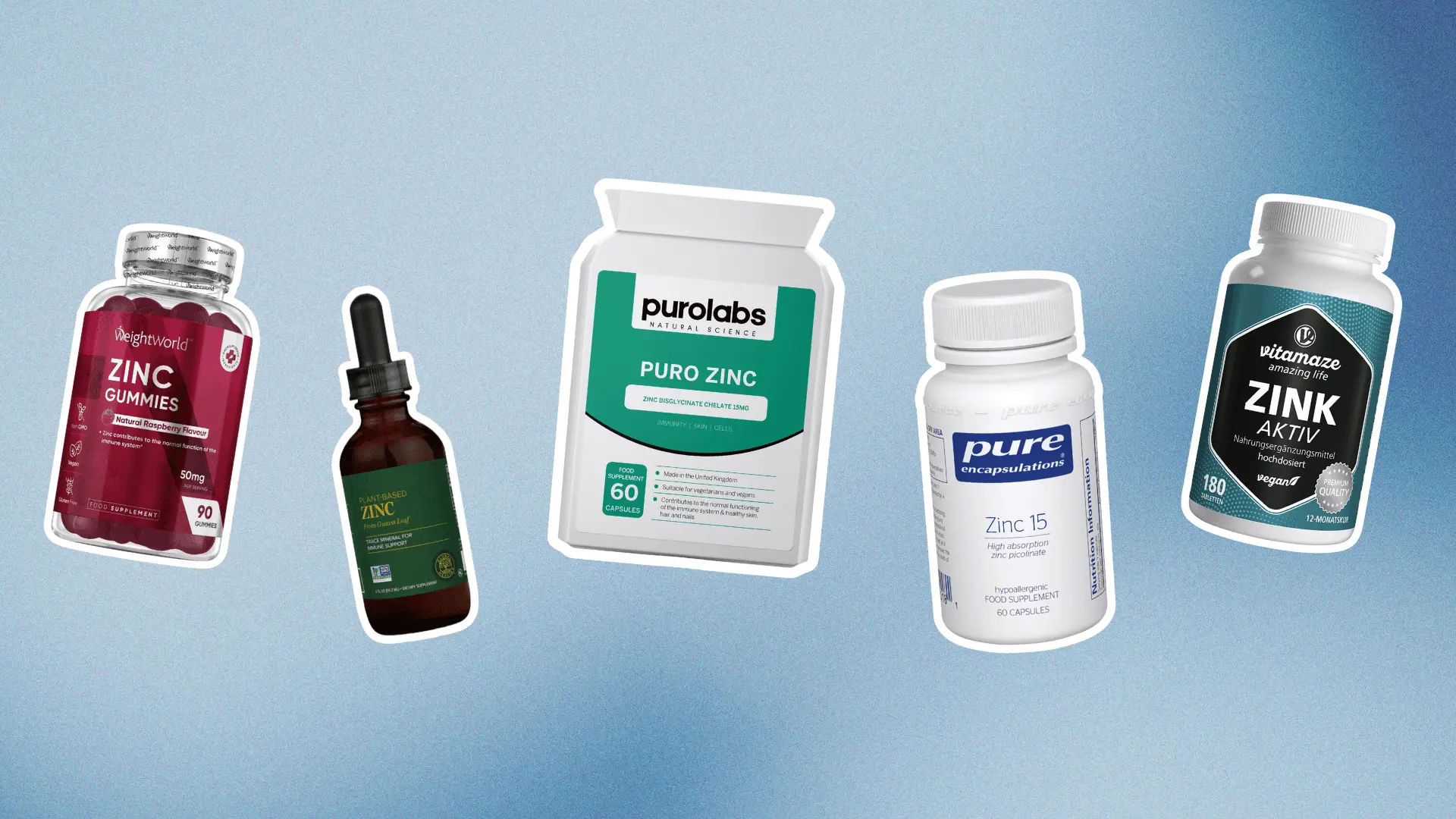
Top 5 Zinc Supplements Of 2026
After extensive testing and research, these are the products that made our list.
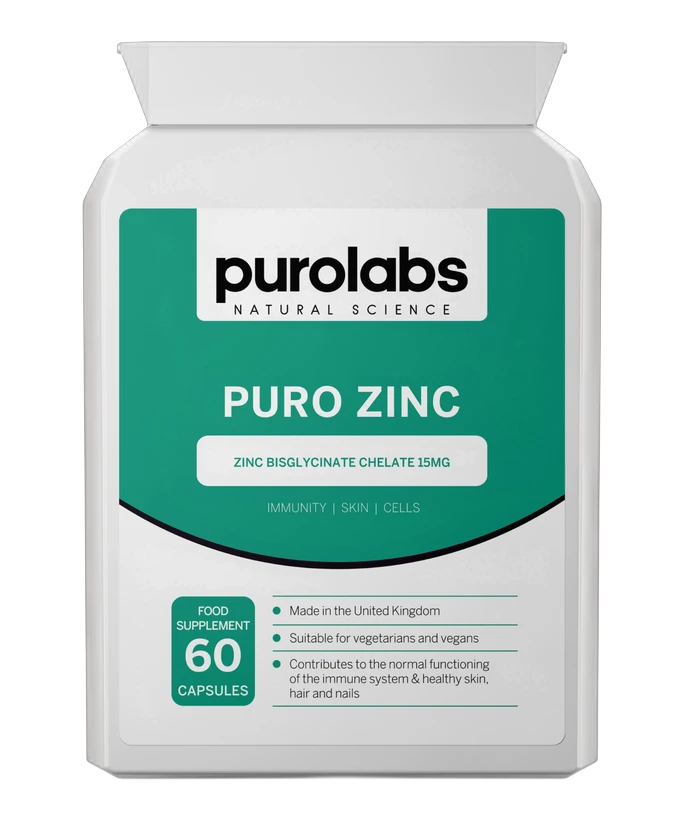
✓ Premium zinc bisglycinate for superior absorption
✓ 15mg elemental zinc per capsule (150% NRV)
✓ Gentle on the stomach with no side effects
✓ 100% clean formula, no fillers, binders or additives
✓ Vegan-friendly vegetable capsules
✓ UK manufactured to strict GMP standards with third-party testing
✓ Free UK delivery on every order
✓ 60-day money-back guarantee
Cons
✗ Only available online
✗ Popular, so occasionally out of stock
The Bottom Line
Puro Zinc by Purolabs delivers 15mg of zinc bisglycinate, which research shows is absorbed significantly better than cheaper forms like zinc oxide or gluconate. The formulation is genuinely clean, with no magnesium stearate, titanium dioxide, or synthetic fillers.
The vegetable cellulose capsules are vegan-friendly and easy to swallow. The product was featured in BBC Good Food as one of the best zinc supplements for immune health and skin.
Manufactured in UK GMP-certified facilities with third-party testing, Purolabs backs the product with a 60-day money-back guarantee and includes a free nutritionist consultation with every purchase. For absorption, purity, and overall trust, it earns our top recommendation.
Best for: Anyone who wants a well-absorbed zinc supplement with a clean formula, UK manufacturing, and strong customer support.
*Results and rankings are based on subjective opinion and do not necessarily reflect typical results from the use of these products. Please visit product website for more information.
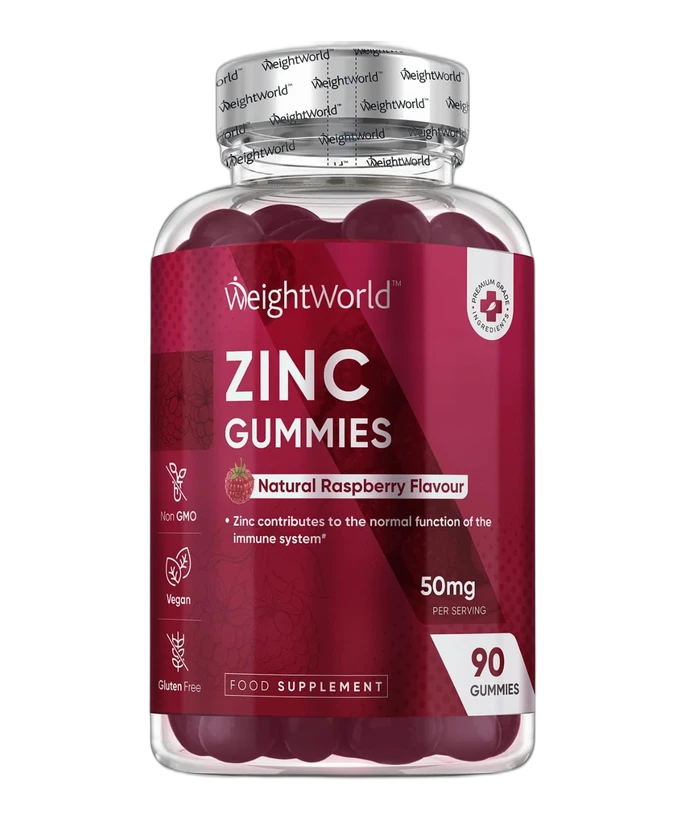
WeightWorld Zinc Gummies are a popular choice for those who dislike swallowing pills. Each two-gummy serving provides 25mg of zinc citrate in a natural raspberry flavour. The vegan, gluten-free formula is manufactured in the UK to GMP standards.
The trade-off is the added sugars needed to make gummies palatable, and the 45-day supply per pack rather than the 60 days you get from most capsule products. Zinc citrate is also less bioavailable than bisglycinate.
Best for: People who struggle to swallow capsules and prefer a flavoured gummy format.
*Results and rankings are based on subjective opinion and do not necessarily reflect typical results from the use of these products. Please visit product website for more information.
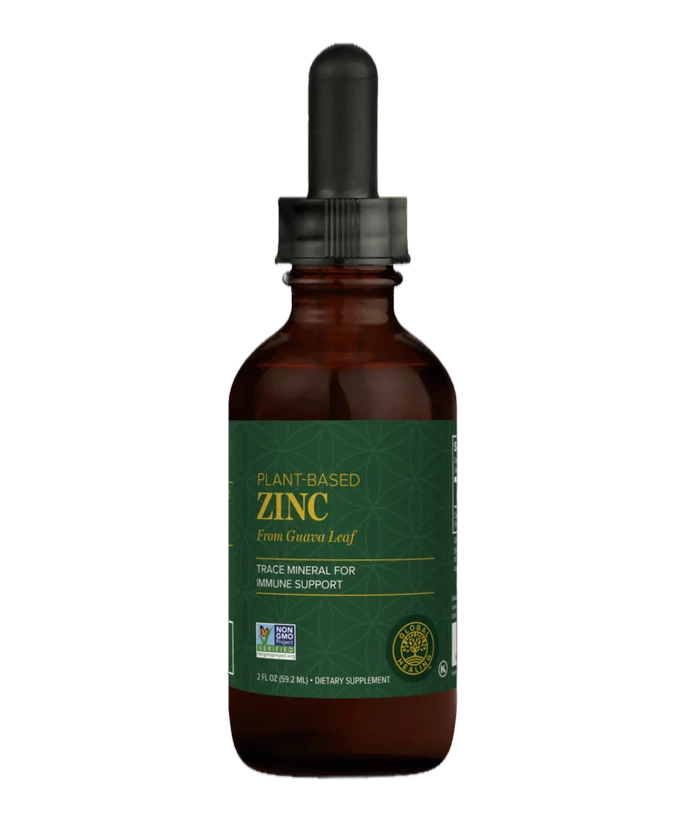
✓ Naturally occurring ionic, chelated, and protein-matrix zinc
✓ USDA Organic certified
Cons
✗ Requires twice daily dosing
✗ Ships from USA (longer delivery)
✗ Premium price point
✗ Taste may not suit everyone
The Bottom Line
Global Healing takes a unique approach with plant-based liquid zinc extracted from USDA-certified organic guava leaves. The liquid contains zinc in three naturally occurring forms, mimicking how it appears in whole foods, which may enhance bioavailability.
The practical drawbacks include twice-daily dosing, shipping from the USA with associated delays, a premium price point, and a taste that does not suit everyone. No UK money-back guarantee is offered.
Best for: Shoppers who prefer a whole-food, plant-based source and are comfortable with a liquid format.
*Results and rankings are based on subjective opinion and do not necessarily reflect typical results from the use of these products. Please visit product website for more information.
✗ Zinc picolinate slightly less absorbed than bisglycinate
✗ Premium price for 60 capsules
✗ No money-back guarantee
✗ Made in USA, not UK
The Bottom Line
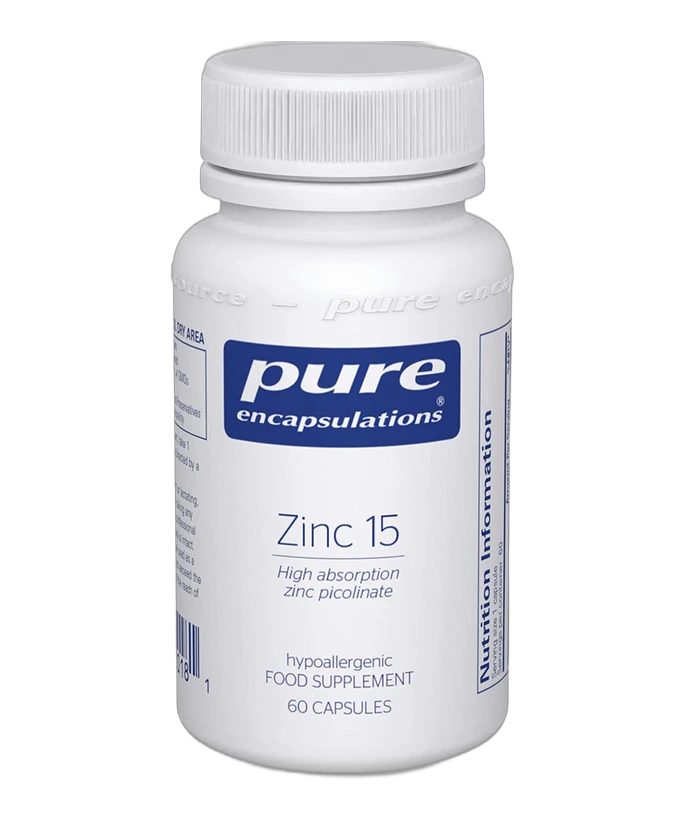
Pure Encapsulations is a respected professional-grade brand known for hypoallergenic formulations. Their Zinc 15 delivers 15mg of zinc picolinate in clean vegetarian capsules, free from wheat, eggs, tree nuts, gluten, and artificial additives. An excellent choice for those with multiple sensitivities.
The zinc picolinate form is well-absorbed but not quite as bioavailable as bisglycinate. The product sits at a premium price for what it delivers, is US-manufactured, and offers no UK money-back guarantee.
Best for: Those with multiple food sensitivities who need a hypoallergenic, professional-grade formula.
*Results and rankings are based on subjective opinion and do not necessarily reflect typical results from the use of these products. Please visit product website for more information.
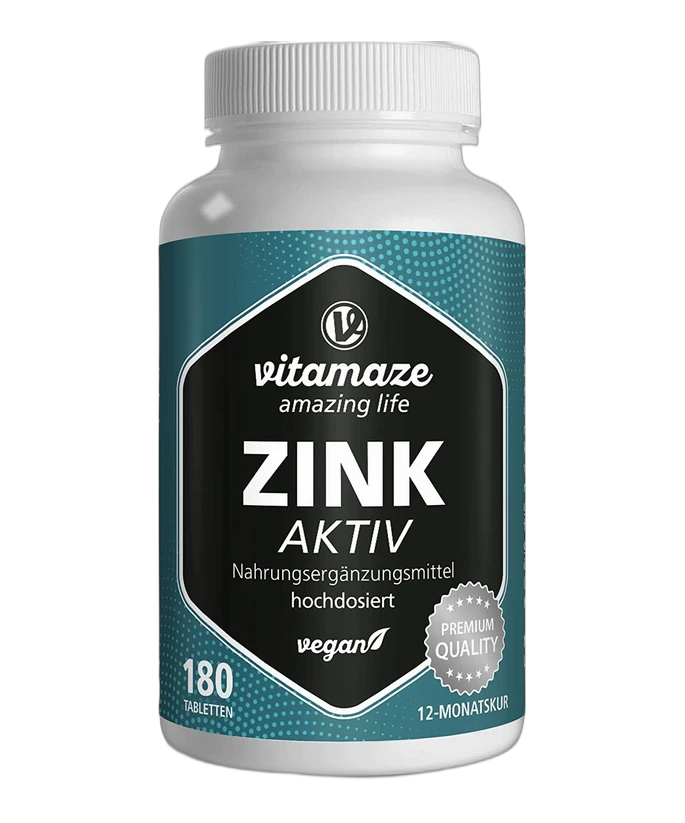
Vitamaze offers a budget-friendly zinc bisglycinate with 365 tablets per pack, one of the best value options available. The formula is free from magnesium stearate and common additives, made in Germany to HACCP food safety standards.
The concerns are the 25mg dosage (above the 15mg most nutritionists recommend), the tablet format which typically contains more binders than capsules, and no satisfaction guarantee. Limited UK customer service.
Best for: Budget-conscious buyers happy with a tablet format and higher dose.
*Results and rankings are based on subjective opinion and do not necessarily reflect typical results from the use of these products. Please visit product website for more information.
This website is owned and operated by Purolabs Nutrition Ltd, which owns the product ranked number one on this page.
In addition, we may receive compensation from certain companies whose products are featured on this website when you purchase a product using the links on this website.