

Top 5 Biotin Supplements in 2026 for Hair, Skin & Nails

From quality and safety to ratings and reviews, find out which biotin supplements we deemed best in class of 2026.

Biotin supplements guide
Steph Baker - Registered Nutritionist
Reviewed by Steph Baker Registered MSc Nutritionist
Expert Reviewed

Biotin has become one of the UK's most popular supplements, and for good reason. Also known as vitamin B7, it plays a central role in keratin production and is backed by EFSA-approved health claims for maintaining normal hair, skin and nails.[1]

The problem? The biotin market is flooded with products that vary wildly in quality. Some contain just 1,000mcg per serving. Others pack in 10,000mcg. Some use clean, filler-free formulas while others are padded out with titanium dioxide, magnesium stearate, and artificial additives.

Dosage matters. Formula quality matters. And with prices ranging from £4 to £40, knowing what you're actually paying for matters too.

We've compared the top UK biotin supplements side by side to help you find the one that actually delivers.

Your Top Biotin Questions Answered
Who should take a biotin supplement? +

Biotin is most popular with people experiencing thinning hair, brittle nails or dull skin. It is also commonly taken by those following restrictive diets, going through hormonal changes, or simply looking to support their hair, skin and nails from the inside. Biotin is water-soluble, so it is generally well tolerated as a daily supplement.

What dose of biotin should I look for? +

The EU adequate intake for biotin is 50mcg per day. However, most clinical studies investigating hair and nail benefits use doses between 2,500 and 10,000mcg. Budget supplements typically provide 1,000mcg, while premium formulas offer 10,000mcg. Biotin is water-soluble, meaning excess is excreted naturally rather than stored in the body.

How long does biotin take to work? +

Most people begin to notice changes in nail strength within 4 to 8 weeks. Hair growth improvements typically take longer, around 3 to 6 months, because of the natural hair growth cycle. Consistency is key. Taking biotin daily at the same time gives your body a steady supply to work with. Results vary depending on your starting point and overall diet.

Is biotin safe to take every day? +

Yes. Biotin is a water-soluble B vitamin, so any excess is naturally excreted rather than stored. There is no established upper limit in the UK or EU. One thing to note: high-dose biotin can interfere with certain blood tests (such as thyroid panels), so let your GP know you are taking it if you have blood work scheduled.

Capsules, tablets, or gummies: which format is best? +

Each format has its strengths. Capsules typically deliver higher biotin doses with fewer additives. Tablets are a close second and widely available on the high street. Gummies are the most enjoyable to take but usually contain added sugars and a lower biotin dose. The best format depends on your priorities, whether that is potency, convenience, or taste.

What Does Biotin Actually Do?

Biotin (vitamin B7) is a water-soluble B vitamin that acts as a coenzyme in several key metabolic processes. Its primary role in hair, skin and nail health comes down to keratin, the structural protein that makes up the bulk of these tissues.

Your body uses biotin to support the production and maintenance of keratin. When biotin levels are adequate, the keratin infrastructure remains strong and resilient. When they drop, studies suggest that hair can become brittle, nails weak, and skin dry.[2]

Biotin also contributes to normal macronutrient metabolism, helping your body process the proteins, fats and carbohydrates that supply energy and building materials to every cell, including hair follicles and nail beds.

EFSA-Approved Biotin Health Claims:
  • Contributes to the maintenance of normal hair
  • Contributes to the maintenance of normal skin
  • Contributes to normal macronutrient metabolism
  • Contributes to normal functioning of the nervous system
  • Contributes to normal psychological function

Capsules vs Tablets vs Gummies

Not all biotin formats are created equal. Here's how they stack up:

Capsules
Gummies
Tablets
Max Biotin Dose ★★★★★ ★★★ ★★★★
Additives Minimal Sugars, colours Binders, fillers
Added Sugar None 2-3g per dose None
Ease of Use Easy swallow Chewable May be large
Shelf Stability May melt
Best For Potency + purity Taste preference Budget option

Our recommendation: Capsules offer the highest potency with the fewest additives, making them a strong choice for daily use. Gummies suit those who prefer a chewable format, and tablets are a reliable budget option. Whichever you choose, look for a formula that pairs biotin with supporting nutrients like zinc, selenium and vitamin C.

What To Look For In A Biotin Supplement
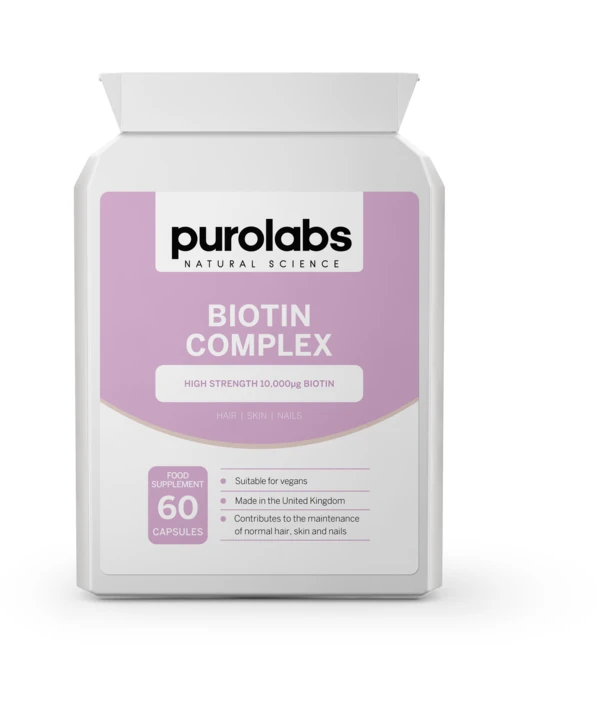
High-Strength Dosage (10,000mcg)

Biotin doses vary enormously between products. Budget options offer as little as 1,000mcg, while high-strength formulas deliver 10,000mcg (20,000% NRV). Research investigating hair and nail benefits typically uses doses at the higher end of this range.[2] Check the label carefully, as some brands bury the actual dose in small print.

Supporting Nutrients (Zinc, Selenium, Vitamin C)

Biotin works best alongside other nutrients. Zinc contributes to the maintenance of normal hair and nails. Selenium protects cells from oxidative stress. Vitamin C contributes to normal collagen formation. A formula that combines biotin with these supporting ingredients may deliver more comprehensive results than biotin in isolation.[3]

Money-Back Guarantee

A confident brand stands behind its product. Look for a 60-day money-back guarantee as a minimum. It means the company trusts its formula enough to let you try it risk-free. If a brand won't offer a refund, ask yourself why. A guarantee removes the pressure of committing to something new and gives you time to see real results before deciding.

Made in the UK

GMP (Good Manufacturing Practice) certification ensures consistent quality, accurate labelling, and independent testing. UK-manufactured products are subject to stricter regulatory oversight than imports from less regulated markets. Always check where your supplement is actually made, not just where it's sold.

What To Avoid In A Biotin Supplement
Misleading Dosage Claims

Some products claim "high strength" on the front of the pack while delivering only 1,000mcg per serving. Others split the dose across multiple tablets, so you need two or three per day to reach the advertised amount. Always check the per-serving dose on the nutrition label, not the marketing claims.

Fillers & Bulking Agents

Flip over the bottle and read the "other ingredients" list. If you see things like magnesium stearate, titanium dioxide, talc, or silicon dioxide, those aren't there for your benefit. They're cheap manufacturing shortcuts that help machines run faster or make tablets look whiter. They take up space in the capsule that could go to actual nutrients. A good biotin supplement should have a short, simple ingredients list you can actually understand.

High Sugar Content

Some supplement formats contain 2-3g of added sugar per serving from glucose syrup and sweeteners. This can limit the space available for active ingredients, meaning a lower biotin dose per serving. If you choose a flavoured or chewable format, check the sugar content on the label and compare the actual biotin dose against alternatives.

Top 5 Biotin Supplements Of 2026

After extensive testing and research, these are the products that made our list.

B+ Overall Grade

Pros

  • Popular gummy format with pleasant taste
  • Contains biotin alongside vitamins C, E and zinc
  • Strong brand reputation and loyal UK following
  • Ideal for those who cannot swallow capsules

Cons

  • Lower biotin dose than capsule alternatives
  • Contains added sugars, glucose syrup and sweeteners
  • Higher cost per month than most capsule options

The Bottom Line

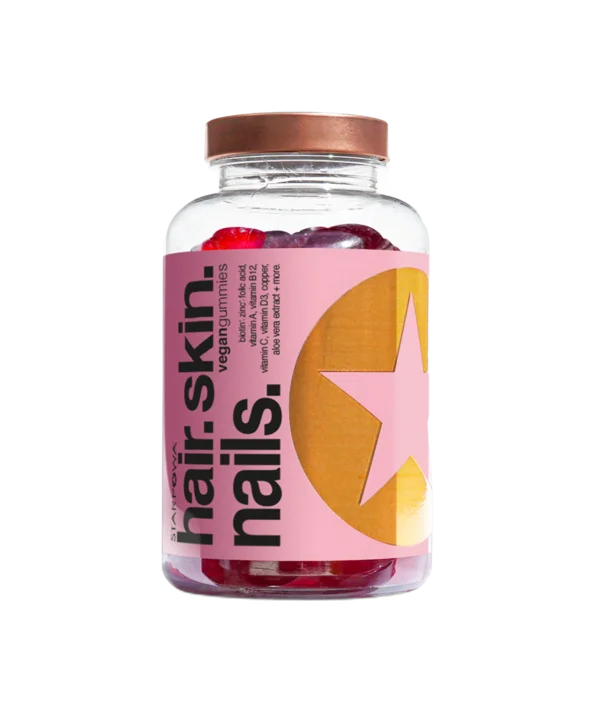
Starpowa has built a loyal following in the UK, and the gummy format is a genuine selling point. The formula includes biotin alongside vitamins C and E, plus zinc. For anyone who finds capsules difficult to swallow, it is a practical, pleasant-tasting alternative that covers the key beauty-supporting nutrients.

The trade-off is that the gummy format means a lower biotin dose per serving and a slightly higher monthly cost than capsule alternatives. Best for those who value a chewable format and an enjoyable daily routine.

*Results and rankings are based on subjective opinion and do not necessarily reflect typical results from the use of these products. Please visit product website for more information.
B+ Overall Grade

Pros

  • Exceptional value: approximately £25 for 180 tablets (6 months)
  • Includes biotin, zinc and selenium
  • Trusted high street brand with easy returns
  • Available in store and online

Cons

  • Lower biotin dose per tablet than premium options
  • Contains magnesium stearate as a filler
  • Tablets can be quite large

The Bottom Line

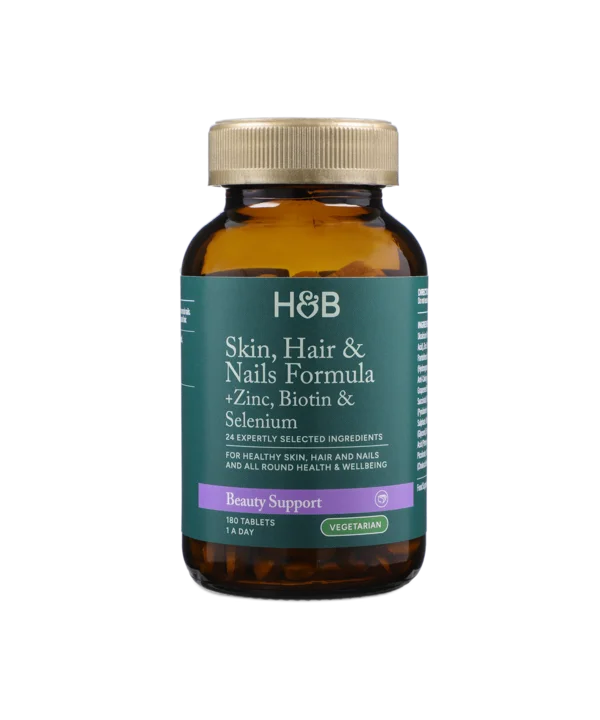
Holland & Barrett's Skin, Hair & Nails Formula is a well-priced option that covers the basics. At approximately £25 for 180 tablets (a six-month supply), the cost per day is minimal. The formula includes biotin, zinc and selenium for core hair and nail support, and the convenience of buying from a trusted high street brand with easy returns is a genuine plus.

The trade-off is potency. The biotin dose per tablet is lower than high-strength options, and the formula includes magnesium stearate as a filler. Best for budget-conscious shoppers who want a simple starting point from a familiar brand.

*Results and rankings are based on subjective opinion and do not necessarily reflect typical results from the use of these products. Please visit product website for more information.
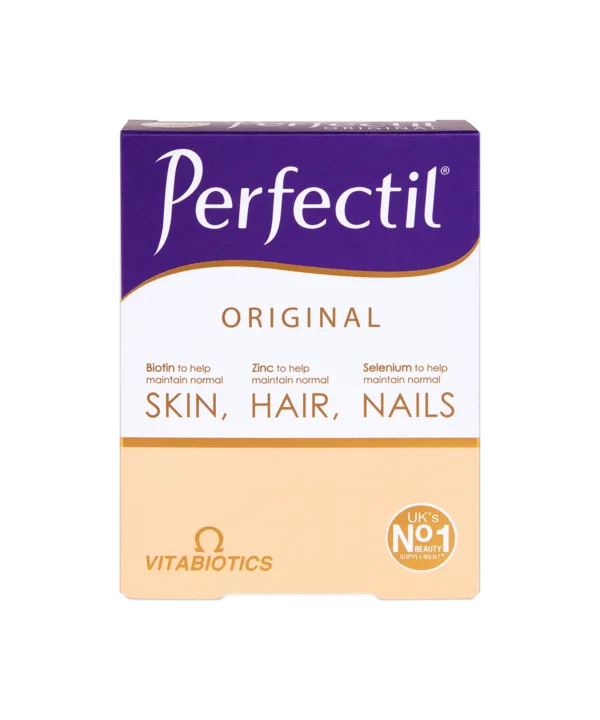
B Overall Grade

Pros

  • Established UK brand with over 30 years of heritage
  • 23 micronutrients in a single daily tablet
  • Very affordable at approximately £6-7 for 30 tablets
  • Available in virtually every UK pharmacy

Cons

  • Broad formula means lower biotin dose per tablet
  • Contains titanium dioxide and talc
  • Best taken with food to avoid stomach discomfort

The Bottom Line

Perfectil has been a pharmacy staple for over three decades, and the broad-spectrum formula packs 23 micronutrients into a single daily tablet. At around £6-7 for a month's supply, the entry price is accessible and you can find it in virtually every UK pharmacy. It suits shoppers who want general beauty support without taking multiple products.

The trade-off is that a broad formula means lower individual nutrient doses, including biotin, compared to a dedicated high-strength product. The excipient list also includes titanium dioxide and talc. Best as an all-in-one beauty multivitamin rather than a targeted biotin supplement.

*Results and rankings are based on subjective opinion and do not necessarily reflect typical results from the use of these products. Please visit product website for more information.
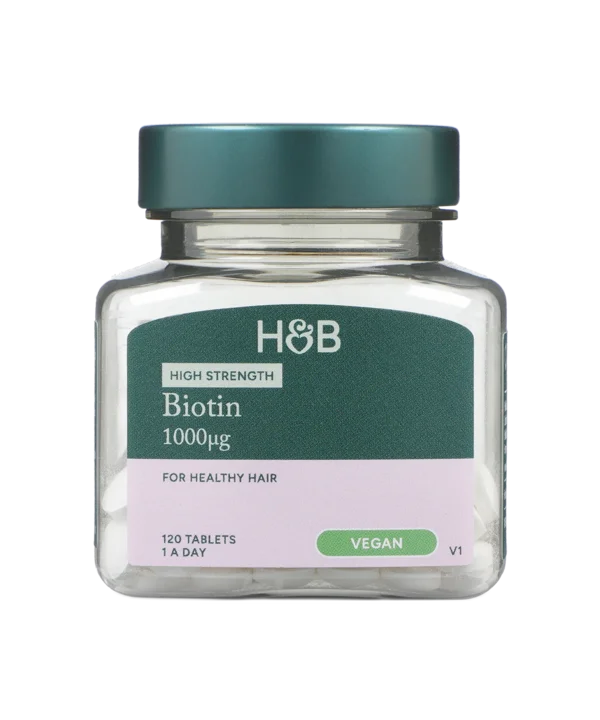
B- Overall Grade

Pros

  • Very affordable: approximately £15 for 120 tablets (4 months)
  • Simple single-ingredient formula
  • Easy to stack alongside other supplements
  • Trusted high street brand

Cons

  • Only 1,000mcg per tablet (vs 10,000mcg in premium options)
  • No supporting nutrients (zinc, selenium, vitamin C)
  • Contains fillers and bulking agents

The Bottom Line

Holland & Barrett's standalone Biotin 1000mcg is an affordable, no-fuss option at around £15 for a four-month supply. The simple single-ingredient formula makes it easy to add biotin to an existing supplement routine without doubling up on nutrients you're already getting elsewhere. Ideal for shoppers who already take a multivitamin covering zinc, selenium and vitamin C.

The main limitation is dose. At 1,000mcg, you're getting one-tenth of the biotin found in high-strength alternatives, and there are no supporting nutrients in the formula. Best as a basic biotin top-up for those on a tight budget.

*Results and rankings are based on subjective opinion and do not necessarily reflect typical results from the use of these products. Please visit product website for more information.

CITATIONS

  1. https://www.efsa.europa.eu/en/efsajournal/pub/2209
  2. https://www.ncbi.nlm.nih.gov/pmc/articles/PMC5582478/
  3. https://www.ncbi.nlm.nih.gov/pmc/articles/PMC6380979/