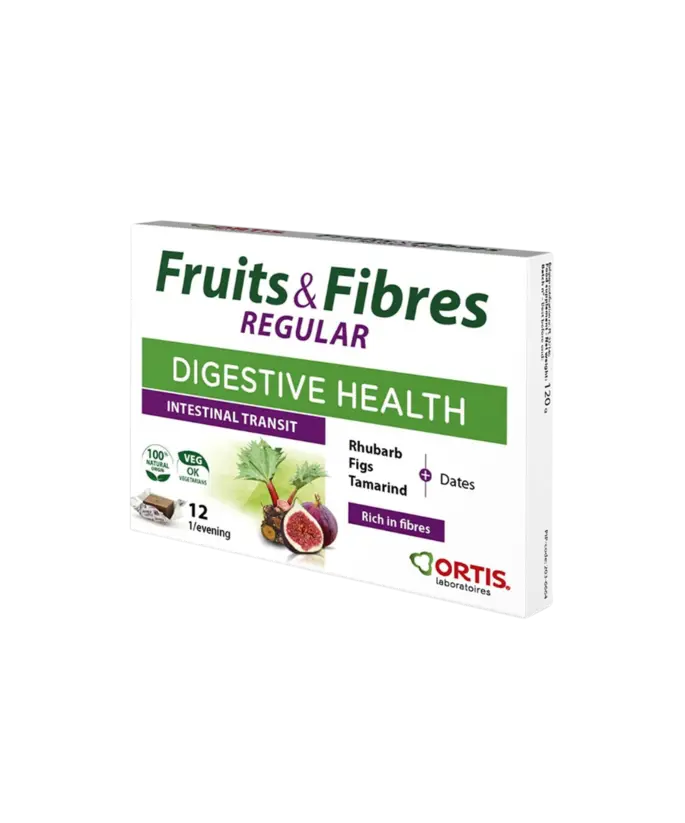
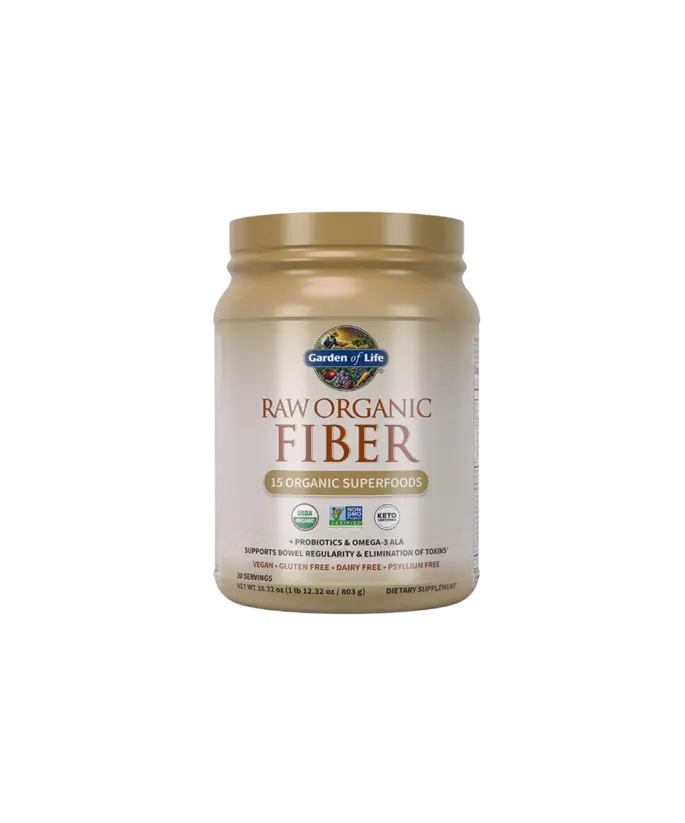
The Best Psyllium Husk Supplements of 2026 for Digestion, Regularity & Gut Health
From quality and safety to ratings and reviews, find out which psyllium husk supplements we deemed best in class of 2026.

Reviewed by Steph Baker
Registered MSc Nutritionist
Last Updated: February 2026
✓
Expert Reviewed
The most boring supplement on the shelf might be the most underrated one in your medicine cabinet. Nobody gets excited about fibre. It is not trendy, not Instagram-worthy, and it will not promise to transform your life in seven days. But psyllium husk quietly does something few supplements can: it works on several parts of your digestive system at the same time.
The NHS recommends 30g of fibre daily. The average UK adult gets just 18g. That gap shows up in ways most people do not connect to fibre: bloating after meals, irregular bowel movements, fluctuating energy, and a gut that just feels off.
Psyllium husk is the outer coating of a plant seed and one of the most studied fibre supplements available. It absorbs up to 10 times its weight in water, forming a gel that supports regularity, feeds beneficial gut bacteria, and may help manage cholesterol and blood sugar. Few supplements offer that kind of range.
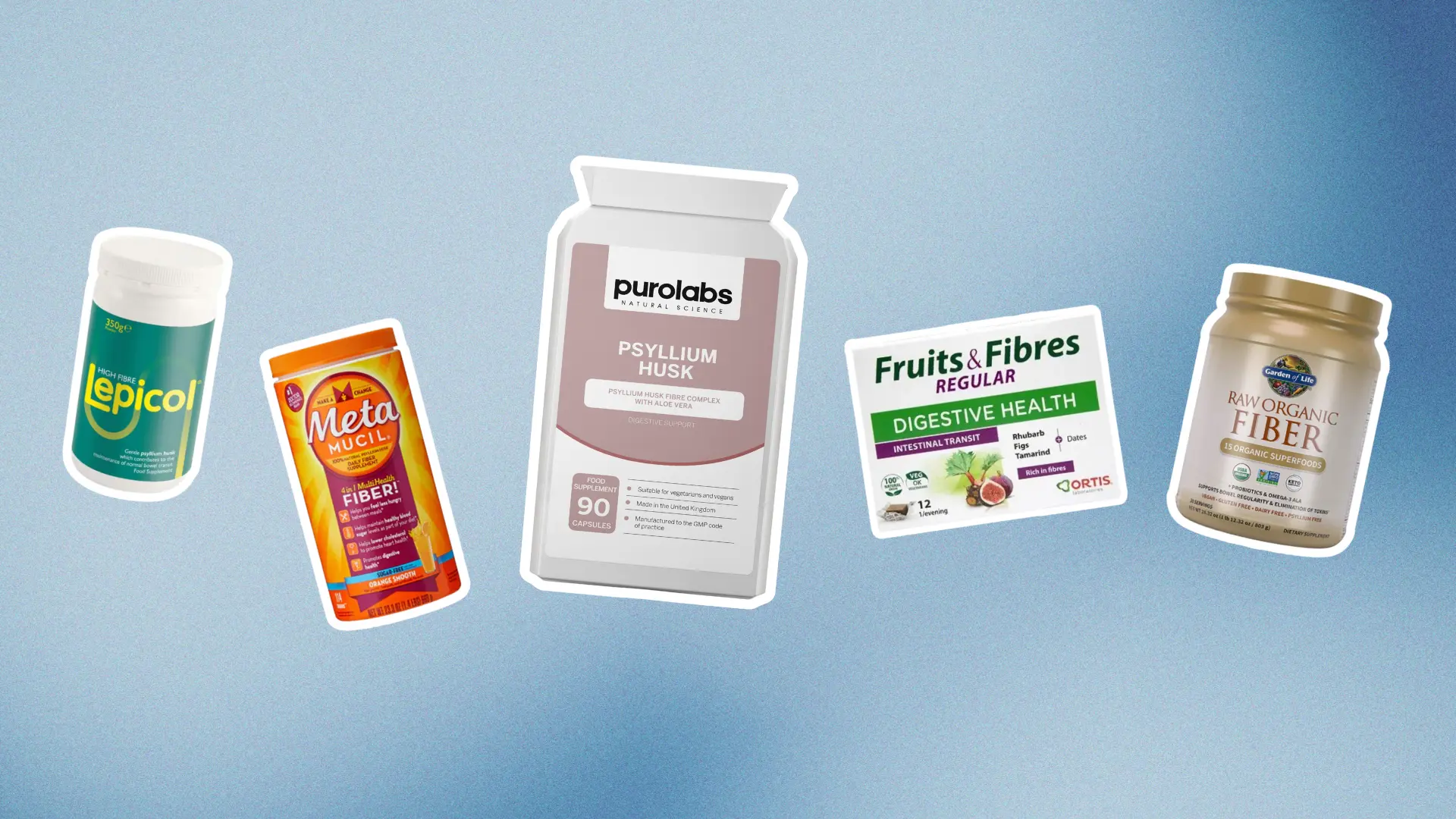
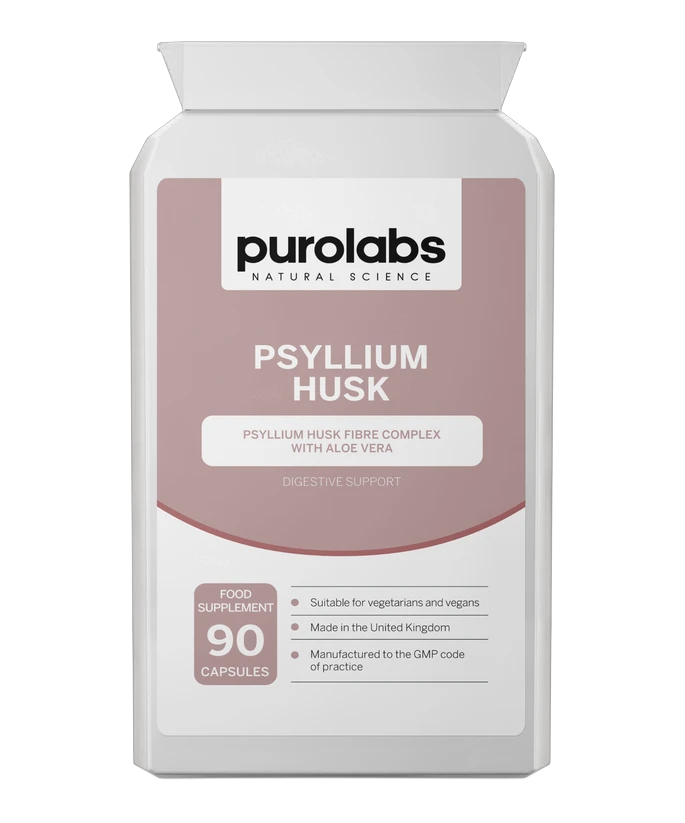
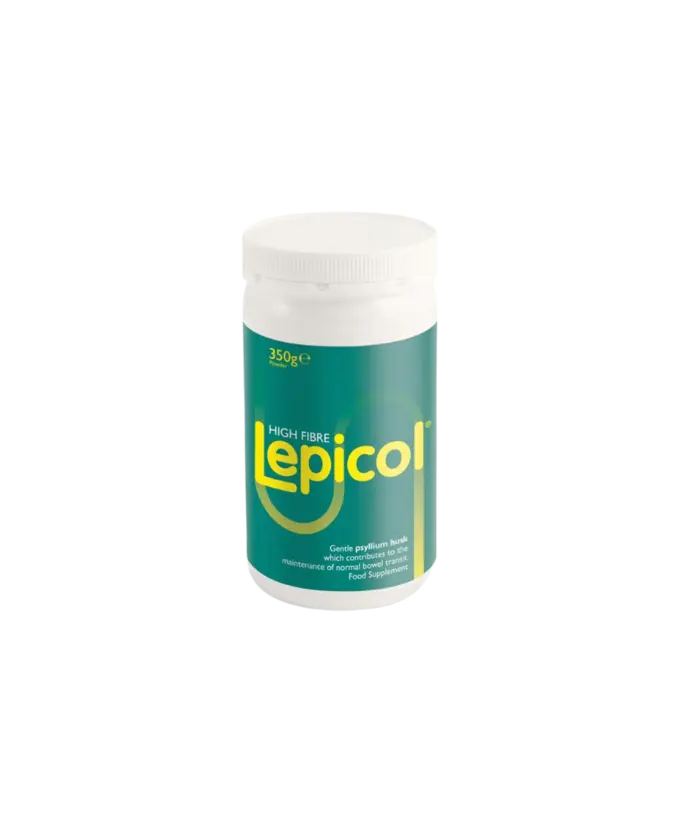
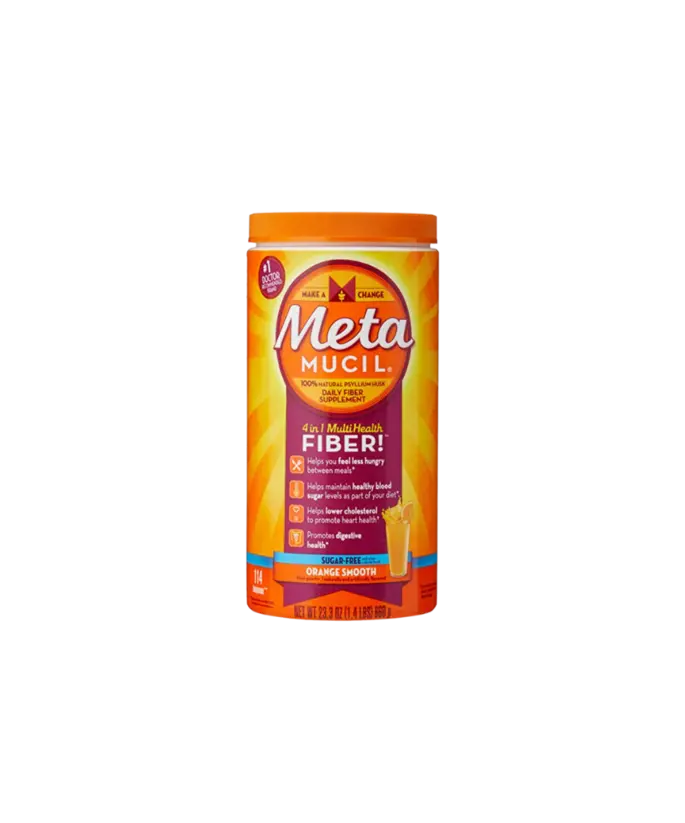
The problem? The UK psyllium market is flooded with products cut with sweeteners, artificial flavours, and fillers that undermine the very benefits you are seeking. We evaluated dozens of options to find the five that actually deliver.
Why People Take Psyllium Husk
Psyllium is one of the most versatile fibre supplements available, with more clinical evidence behind it than most alternatives. Here is what the research supports.
Regularity and digestive comfort. Psyllium adds soft, hydrated bulk to stool, supporting comfortable bowel movements without the cramping that harsh insoluble fibres like wheat bran can cause. It is one of the most commonly recommended supplements for anyone dealing with constipation or irregularity.
Cholesterol support. EFSA has approved the claim that psyllium husk may help maintain healthy cholesterol levels. The gel it forms binds to cholesterol in the gut before it reaches the bloodstream, making psyllium one of the few fibre supplements with a recognised health claim.
Blood sugar management. Psyllium slows the absorption of sugars after meals, helping to reduce the spikes and crashes that can follow eating. Research suggests this may be particularly useful for those monitoring their blood sugar levels.
Gut health. Beneficial gut bacteria feed on psyllium, producing compounds that help keep your intestinal lining healthy. This prebiotic effect means psyllium does not just pass through your system. It actively supports the environment it travels through.
-
✓
Support healthy, regular bowel movements and digestive comfort
-
✓
Help maintain healthy cholesterol levels (EFSA-approved claim)
-
✓
Feed beneficial gut bacteria as a prebiotic fibre source
-
✓
Support a healthy blood sugar response after meals
-
✓
Top up daily fibre intake without dietary overhaul
Choosing the Right Format For You
Even the purest psyllium can fail you if the format does not fit your routine. Each delivery method has trade-offs worth considering:
|
|
|
|
| Ease of Use |
Mix daily |
Grab & go |
Mix daily |
| Texture |
Gritty |
✓ |
Sandy |
| Fibre Per Serve |
★★★★★ |
★★★ |
★★★★ |
| Travel |
Bulky |
✓ |
Sachets |
| Additives |
Often |
Rare |
Usually |
| Best For |
High doses |
Daily use |
Taste-sensitive |
Our recommendation: Capsules offer the best balance of convenience, clean formulation, and consistency. Powders deliver more fibre per serving and suit those who want higher doses, while granules can work well for people who prefer sachets. That said, capsules avoid the taste and texture issues that cause many people to abandon fibre supplements within weeks. The best format is the one you will take consistently.