Best Pregnancy Supplements UK 2026 for Prenatal & Postnatal Support

From quality and safety to ratings and reviews, find out which pregnancy supplements we deemed best in class of 2026.

Pregnant woman holding prenatal supplement
Steph Baker - Registered Nutritionist
Reviewed by Steph Baker Registered MSc Nutritionist
Expert Reviewed

Whether you are trying to conceive, already pregnant, or recovering after birth, your body's nutrient demands are unlike any other time in your life. Most women's diets cannot keep up, no matter how carefully they plan their meals. The exhaustion, nausea, and brain fog are often the first signs that your stores are running low.

That is why pre and postnatal supplements exist. But here is the problem: not all are created equal. The form of folate matters, the type of iron matters, and several nutrients that research suggests are critical from conception through breastfeeding are missing from most formulas entirely.

Choosing the wrong supplement can mean taking nutrients your body struggles to absorb, dealing with unnecessary side effects from cheap iron, or missing key ingredients altogether. The best formulas support you through every stage, from pre-conception preparation to postnatal recovery.

We reviewed the top pre and postnatal supplements available in the UK, comparing ingredient forms, formulation quality, and overall value to help you make the best choice for you and your baby.

Your Top Pregnancy Supplement Questions Answered
Do prenatal supplements actually make a difference? +

Yes. The NHS recommends that all pregnant women take 400mcg of folic acid daily (from before conception through the first trimester) and 10mcg of vitamin D throughout pregnancy. These two are considered essential. Beyond that, your body's demands for iron, B vitamins, and other nutrients increase significantly, and research suggests a comprehensive prenatal can help fill gaps that even a good diet leaves. A well-formulated prenatal helps ensure both you and your baby get what you need.

When should I start taking a prenatal? +

The NHS recommends starting folate supplementation at least 12 weeks before you conceive and continuing throughout the first trimester. Key developments happen very early, often before a missed period. If you are planning to get pregnant, starting sooner gives your body time to build up essential nutrient stores.

Can I use the same supplement before and after pregnancy? +

Yes, and ideally you should. Your nutrient needs are elevated from pre-conception right through to breastfeeding, so switching products at each stage is unnecessary if your supplement is designed for the full journey. The best formulas cover all stages: building nutrient stores before conception, supporting you and your baby during pregnancy, and replenishing what breastfeeding takes from your body afterwards.

Why does my current prenatal make me feel sick? +

This is almost always caused by the type of iron used. Many prenatals use ferrous sulphate, a cheap form that commonly causes nausea and constipation. Switching to a product that uses a gentler iron form (like ferrous bisglycinate) can make a significant difference. If your prenatal is making you feel worse, it is worth checking the iron source on the label.

Should I keep taking a prenatal after giving birth? +

Yes, and many experts recommend it. Your nutrient demands remain elevated during breastfeeding, as your body continues to supply your baby through milk production. Iron, folate, and vitamin D are particularly important during the postnatal period. The best pre and postnatal supplements are designed to support you through this stage too, not just pregnancy itself.

Why People Take Pregnancy Supplements

Blood volume and energy. During pregnancy, your blood volume increases by up to 50% to support your growing baby. This puts enormous demand on your iron and folate stores. Without enough of both, fatigue and low energy levels are almost inevitable, and they get worse as pregnancy progresses.

Baby's brain and nervous system. Your baby's neural tube forms within the first 28 days of pregnancy, often before you even know you are expecting. Folate is essential during this critical window, but brain development continues throughout all three trimesters. Choline and iodine also play important roles, yet most prenatal supplements include only folate.

Digestive comfort and gut health. Bloating, constipation, and nausea are among the most common pregnancy complaints, driven by hormonal changes that slow digestion. A pregnancy-safe probiotic may help ease these symptoms and support healthy gut function. Since around 70% of the immune system sits in the gut, keeping it balanced has wider benefits too.

Keeping your own health on track. Your body prioritises your baby, which means your own stores of iron, calcium, and B vitamins can become depleted. This does not stop at birth. Breastfeeding continues to draw heavily on your nutrient reserves, particularly iron, vitamin D, and B vitamins. A comprehensive supplement helps you maintain your own health through every stage, from conception to postnatal recovery.

Research Suggests A Quality Pregnancy Supplement May:
  • Support maternal tissue growth and normal blood formation
  • Contribute to normal fetal brain and nervous system development
  • Help reduce tiredness and fatigue during pregnancy
  • Support normal immune function for mother and baby
  • Maintain healthy iron levels and oxygen transport

Choosing the Right Format For You

Prenatal supplements come in several formats. Here's how they compare:

Capsules
Gummies
Liquid
Taste None Sweet Varies
Nutrient Range ★★★★★ ★★★ ★★★★
Contains Iron Rarely
Added Sugar None Required Usually
Portability Bulky
Best For Complete nutrition Pill-averse Swallowing issues

Our recommendation: For most women, capsules offer the best balance of nutrient range, no taste, and no added sugar. No flavour to trigger nausea, and they carry the full spectrum of nutrients that gummies cannot.

What To Look For In A Pregnancy Supplement
Active Methylfolate

The active form of folate that your body can use straight away. Standard folic acid needs to be converted first, and up to 40% of women have a gene variant that makes this harder. Methylfolate skips that step entirely. Look for at least 400mcg, the dose recommended by the NHS.

Gentle Iron

Iron needs increase significantly during pregnancy, but the most common form (ferrous sulphate) causes constipation and nausea. Ferrous bisglycinate is a gentler form that studies suggest is well absorbed without the stomach issues. If your current prenatal makes you feel sick, the iron form is usually the reason.

Choline

Choline is essential for your baby's brain and spinal cord development, yet most prenatal supplements leave it out entirely. Demand increases significantly during pregnancy, and most women do not get enough from food alone. Check the label to make sure it is included.

Pregnancy-Safe Probiotics

Pregnancy is one of the few times when the specific probiotic strain truly matters. Look for products that name the exact strain (e.g. Lactobacillus rhamnosus) and state the colony count in CFUs. The best-studied strains for pregnancy have solid safety and efficacy data behind them.

Clean Formula

During pregnancy, everything you take in reaches your baby. Avoid supplements containing titanium dioxide, magnesium stearate, artificial colours, or unnecessary fillers. The best prenatal vitamins use clean, natural ingredients and are manufactured in GMP-certified facilities with third-party testing.

What To Avoid In A Pregnancy Supplement
Untested Probiotic Strains

Labels that say "probiotic blend" or "proprietary probiotic formula" without naming specific strains are a red flag. During pregnancy, you need to know exactly what you are taking. If the manufacturer will not disclose the strain names and colony counts, move on.

High Daily Capsule Counts

Some prenatals require 4-6 capsules per day. During pregnancy, when nausea makes even basic routines difficult, high daily counts significantly reduce compliance. A well-formulated prenatal should deliver its full profile in two capsules or fewer.

Synthetic Folic Acid Only

Standard folic acid needs to be converted by your body before it can be used. Up to 40% of women have a gene variant that makes this conversion less efficient. Active methylfolate skips this step entirely.

No Money-Back Guarantee

A quality prenatal is something you need to take consistently for months. If a brand will not offer a money-back guarantee, they are not confident enough in their product for you to risk your money on it. Look for at least a 30-day guarantee so you can try it without commitment.

Top 5 Pregnancy Supplements Of 2026

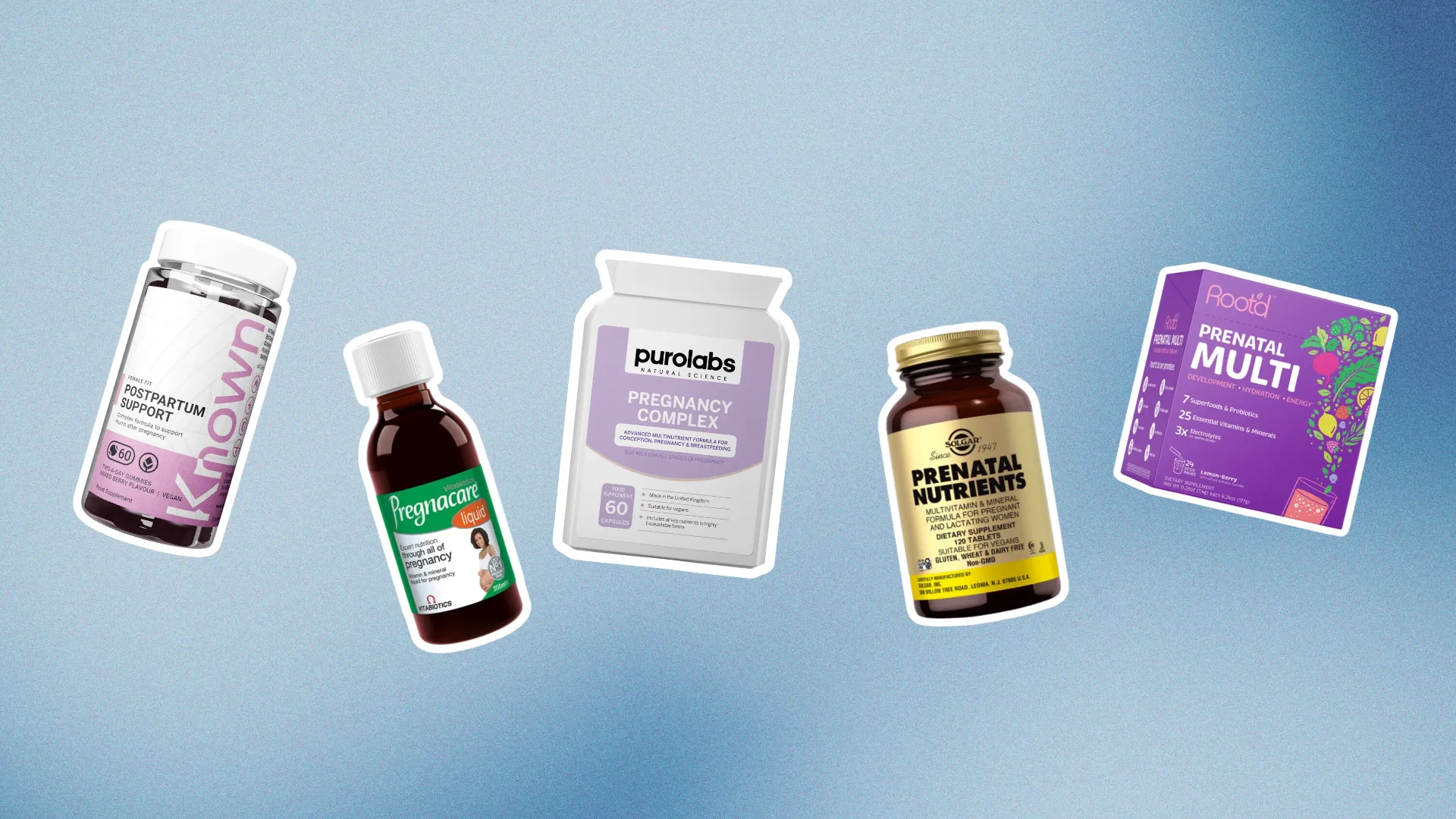
After extensive testing and research, these are the products that made our list.

B+ Overall Grade

Pros

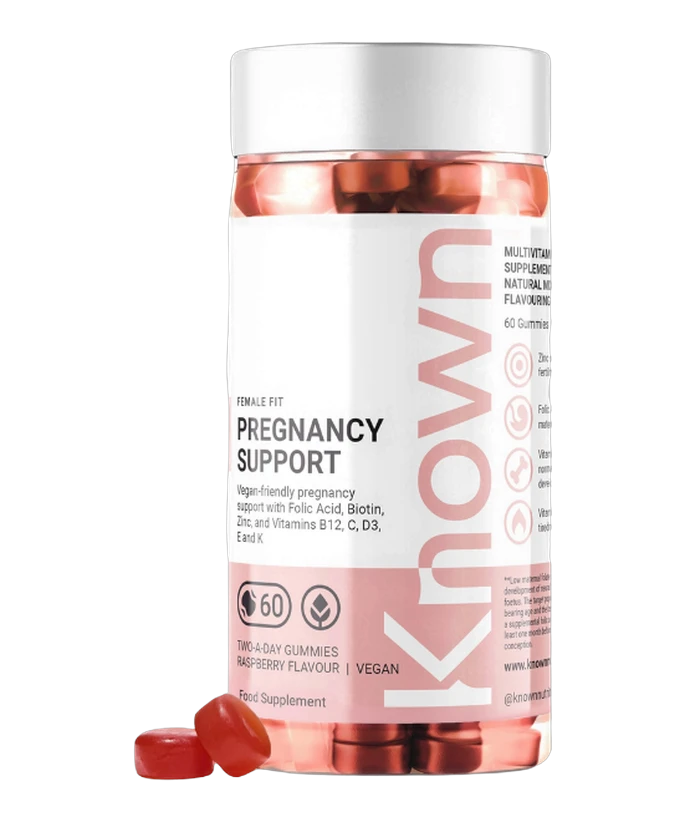
  • Pleasant raspberry flavour, easy to take
  • Vegan and Halal certified
  • 400mcg folic acid per serving
  • Includes vitamin D3, K, C, E, B12, and zinc
  • No artificial colours or preservatives
  • Competitively priced for a prenatal gummy

Cons

  • No iron included (a common gummy limitation)
  • Uses synthetic folic acid, not methylfolate
  • No choline or iodine

The Bottom Line

Known Nutrition's Pregnancy Support Gummies are a popular gummy option for women who struggle with capsules or tablets. The raspberry flavour is well-liked, the formula is vegan and Halal certified, and it delivers the NHS-recommended 400mcg folate dose alongside vitamin D3, zinc, and several B vitamins at a competitive price.

The gummy format does mean iron is not included, which is one of the most important nutrients during pregnancy. The formula also uses synthetic folic acid rather than the active methylfolate form. For women who genuinely cannot swallow capsules and are happy to supplement iron separately, it is a solid choice.

Best for: women who prefer gummies and are supplementing iron separately.

*Results and rankings are based on subjective opinion and do not necessarily reflect typical results from the use of these products. Please visit product website for more information.

B Overall Grade

Pros

  • The UK's most recognised prenatal brand
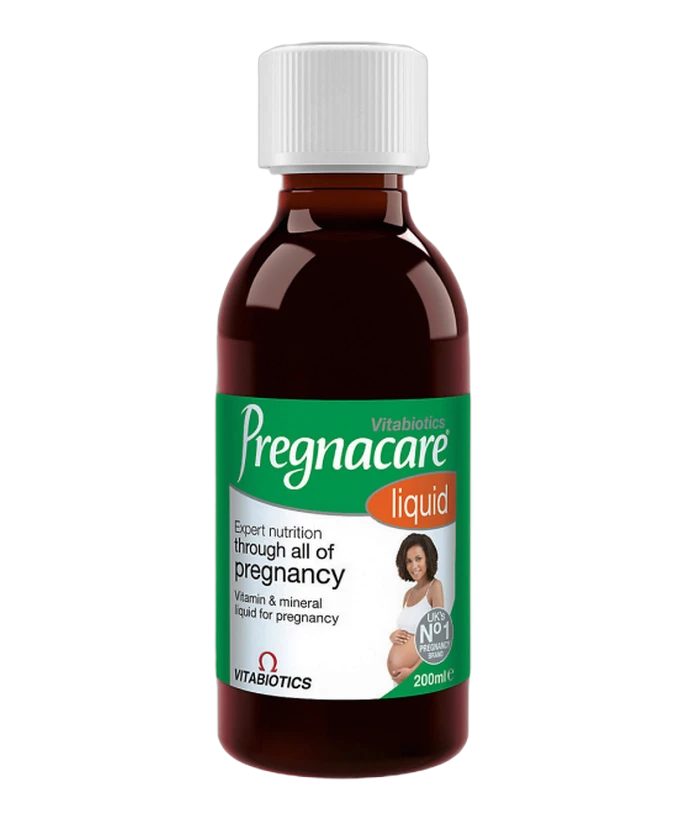
  • 18 vitamins and minerals in one liquid
  • 400mcg folic acid and 10mcg vitamin D
  • Includes iron, iodine, and zinc
  • Orange flavour, gentle on the stomach
  • Widely available in Boots, Superdrug, and pharmacies

Cons

  • Uses synthetic folic acid, not methylfolate
  • Iron as ferrous sulphate (may cause digestive issues)
  • No choline or probiotics

The Bottom Line

Pregnacare is the most widely recognised prenatal brand in the UK, and the liquid format is a practical option for women who struggle with tablets or capsules. The 18-nutrient formula covers the NHS basics well, including iron, iodine, and zinc, and the orange flavour is pleasant. It is widely available across Boots, Superdrug, and pharmacies.

The ingredient forms are where Pregnacare Liquid falls behind newer formulations. The folate is synthetic folic acid rather than active methylfolate, and the iron is ferrous sulphate, which many women find causes digestive discomfort. Choline and probiotics are also absent.

Best for: women who prefer a liquid format from a trusted high-street brand.

*Results and rankings are based on subjective opinion and do not necessarily reflect typical results from the use of these products. Please visit product website for more information.

C+ Overall Grade

Pros

  • Trusted premium brand with decades of history
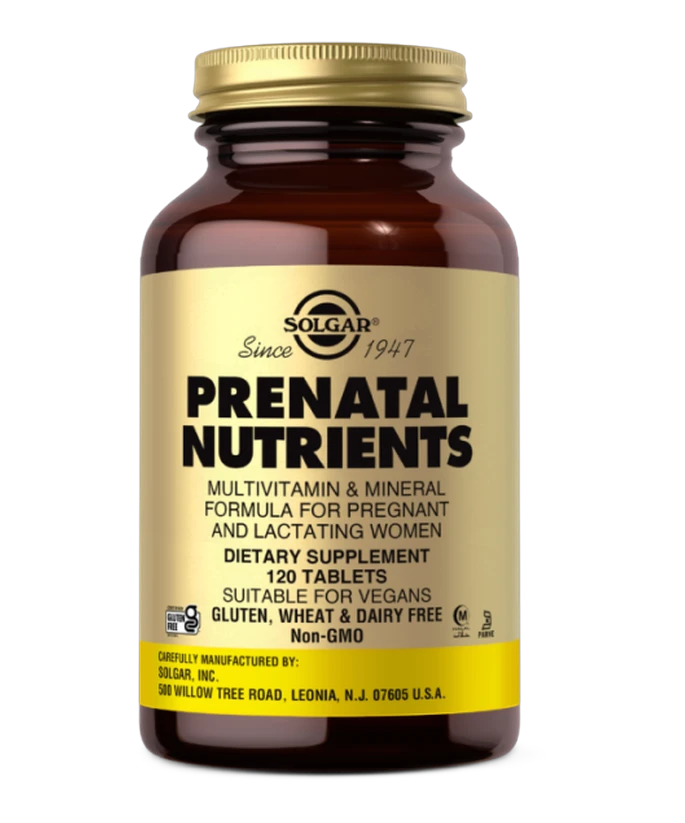
  • 20 nutrients including calcium and magnesium
  • Iron as bisglycinate (gentle form)
  • Includes small amount of choline
  • Vegan, kosher, and Halal certified

Cons

  • Uses synthetic folic acid (800mcg, above standard recommendation)
  • Contains magnesium stearate and silicon dioxide
  • No probiotics or iodine

The Bottom Line

Solgar is a trusted supplement brand with decades of history. This prenatal covers a lot of ground, with 20 nutrients including calcium, magnesium, and iron as bisglycinate (the gentle form). It also includes a small amount of choline, which most prenatals leave out. The triple dietary certification (vegan, kosher, Halal) makes it accessible to a wide range of women.

The formula uses synthetic folic acid at 800mcg rather than the active methylfolate form, and the tablets contain magnesium stearate and silicon dioxide. For women who want mineral-heavy coverage from an established brand, it remains a solid option.

Best for: women who want mineral-rich coverage with vegan, kosher, and Halal certifications.

*Results and rankings are based on subjective opinion and do not necessarily reflect typical results from the use of these products. Please visit product website for more information.

C Overall Grade

Pros

  • Uses methylfolate (600mcg DFE)
  • 25 vitamins and minerals plus electrolytes
  • Includes probiotics and organic supergreens
  • Sugar-free powder sachet format
  • Gentle iron included

Cons

  • Not readily available in the UK (US-based brand)
  • Premium pricing plus international shipping
  • Probiotic strain less studied for pregnancy safety

The Bottom Line

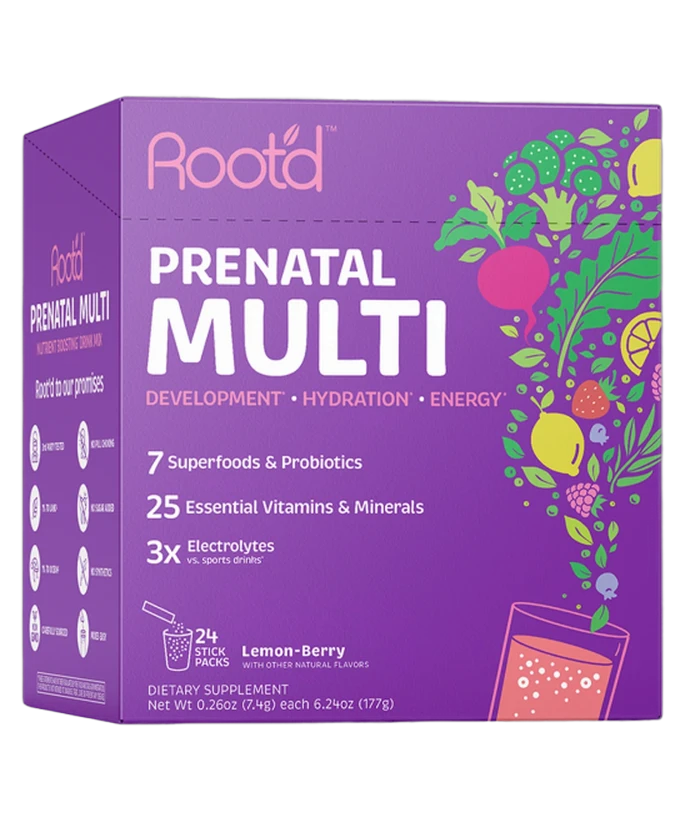
Root'd takes a creative approach with an effervescent powder sachet format that combines 25 vitamins and minerals with electrolytes, organic supergreens, and a probiotic in one drink. It uses methylfolate rather than synthetic folic acid and includes gentle iron, making the formula itself well thought out.

The main issue for UK buyers is availability. Root'd is a US-based brand with no direct UK stockist, meaning international shipping and higher per-serving costs. For women who can source it and prefer powder formats, it is a genuinely interesting option.

Best for: women who prefer powder formats and want methylfolate with electrolytes.

*Results and rankings are based on subjective opinion and do not necessarily reflect typical results from the use of these products. Please visit product website for more information.

CITATIONS

  1. Scaglione F, Panzavolta G. "Folate, folic acid and 5-methyltetrahydrofolate are not the same thing." Xenobiotica, 2014;44(5):480-488.
  2. Caudill MA et al. "Maternal choline supplementation during the third trimester of pregnancy improves infant information processing speed." FASEB Journal, 2018;32(4):2172-2180.
  3. Milman N. "Oral iron prophylaxis in pregnancy: not too little and not too much!" Journal of Pregnancy, 2012;2012:514345.
  4. Elias J et al. "Are probiotics safe for use during pregnancy and lactation?" Canadian Family Physician, 2011;57(3):299-301.
  5. NHS. "Vitamins, supplements and nutrition in pregnancy." NHS UK, 2023.
  6. Zeisel SH. "Nutrition in pregnancy: the argument for including a source of choline." International Journal of Women's Health, 2013;5:193-199.
  7. Name JJ et al. "Iron Bisglycinate Chelate and Polymaltose Iron for the Treatment of Iron Deficiency Anemia: A Pilot Randomized Trial." Current Pediatric Reviews, 2018;14(4):261-268.
  8. SACN. "Folate and Disease Prevention." Scientific Advisory Committee on Nutrition, 2006.