

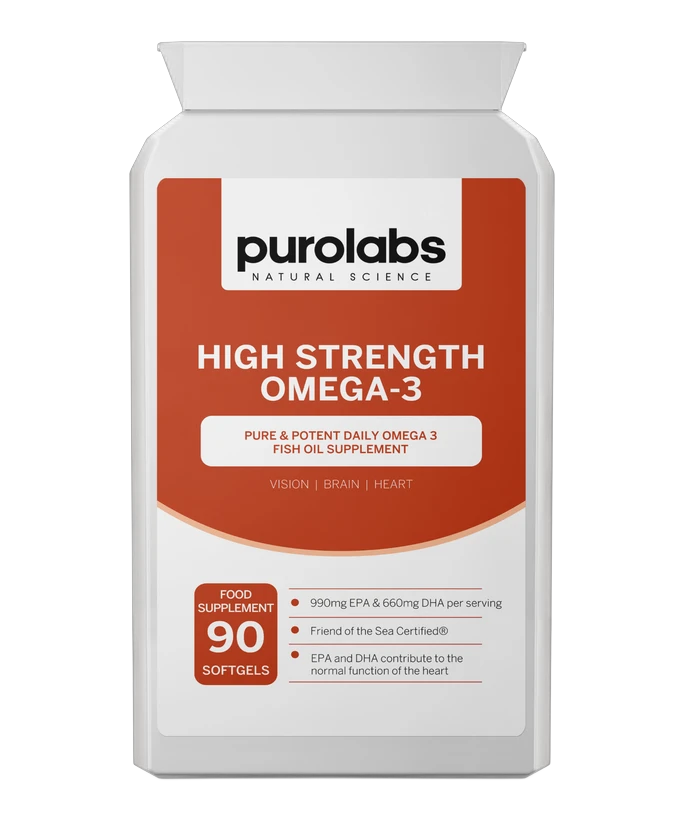
Best Omega-3 Fish Oil Supplements UK 2026 for Heart, Brain & Joint Health

From quality and safety to ratings and reviews, find out which omega-3 supplements we deemed best in class of 2026.

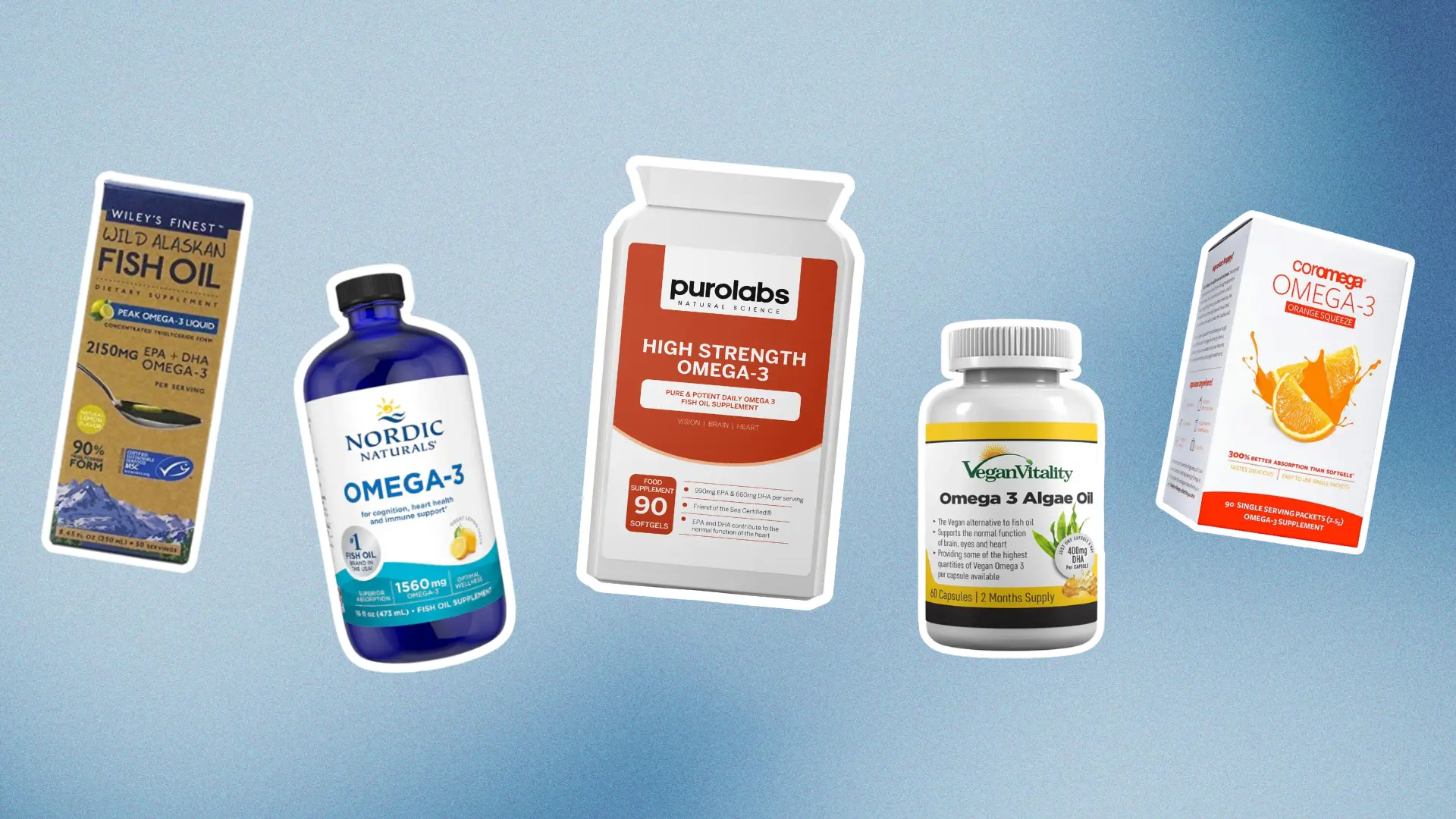
Top 5 Omega-3 Fish Oil Supplements 2026
Steph Baker - Registered Nutritionist
Reviewed by Steph Baker Registered MSc Nutritionist
Expert Reviewed

Stiff joints in the morning. Dry, irritated eyes. Brain fog that lingers past your second coffee. Mood dips you can't quite explain. These symptoms are so common that most people write them off as ageing or stress. But research points to a simpler explanation: omega-3 deficiency.

Your body cannot produce omega-3 fatty acids on its own. They must come from food or supplements. Yet most UK adults fall well short of the recommended two portions of oily fish per week. The result is a chronic, low-level deficiency that quietly affects your heart, brain, joints, eyes, and mood.

A quality fish oil supplement can close that gap. But the omega-3 market has a serious quality problem. Many products contain oxidised oil, misleading labels, and contaminants like mercury and PCBs. Choosing the wrong supplement means paying for a product that may do more harm than good.

We've analysed dozens of omega-3 supplements to find the five that are genuinely pure, potent, and worth your money. Here's what separates the best from the rest.

Your Top Omega-3 Questions Answered
Why do I need omega-3? +

Omega-3s are essential fats your body cannot produce on its own. They play vital roles in brain function, heart health, and reducing inflammation throughout your body. The two most important types are EPA and DHA, found primarily in fatty fish and fish oil supplements. Without adequate omega-3 intake from food or supplements, you may experience joint stiffness, mental fog, and cardiovascular strain.

How do I spot a quality fish oil? +

The quickest test: flip the bottle and check whether it lists EPA and DHA separately, or just says "fish oil." A 1000mg fish oil capsule might contain as little as 300mg of actual omega-3s. If the label doesn't break it down, that's usually a sign the numbers aren't impressive. Beyond that, check if the brand publishes third-party test results. Any company confident in its product will make purity data easy to find.

How much omega-3 should I take daily? +

The American Heart Association recommends at least 250-500mg of combined EPA and DHA daily for general health. For specific benefits like heart health support or joint comfort, research suggests 1000-2000mg may be more effective. Most people don't eat enough oily fish to meet these targets, which is where supplementation becomes valuable.

Will fish oil give me fishy burps? +

Not if you choose a quality product. Fishy burps and aftertaste are signs of oxidised or rancid fish oil, which indicates poor quality or improper storage. Premium supplements use molecular distillation to remove impurities and triglyceride form to improve digestion. Taking fish oil with food also helps. If you experience fishy burps, it may be time to switch to a better quality brand.

Is fish oil safe? What about mercury? +

Quality fish oil supplements are very safe when sourced properly. The key is choosing products made from small fish like anchovies and sardines, which accumulate far less mercury than larger predatory fish. Reputable brands also use molecular distillation to remove any remaining contaminants and provide third-party testing certificates. Look for certifications like IFOS or Friend of the Sea for additional peace of mind.

Why Take Omega-3 Supplements?

Omega-3 supplements contain two key fatty acids, and understanding what each one does helps you choose the right product. EPA (eicosapentaenoic acid) is the anti-inflammatory powerhouse. It may help support cardiovascular health, ease joint discomfort, and contribute to balanced mood. Studies suggest EPA plays a particularly important role in managing the body's inflammatory response.

DHA (docosahexaenoic acid) is the structural fatty acid. It makes up a significant portion of your brain's grey matter and the retina of your eyes. Adequate DHA intake is associated with sharper cognitive function, better visual health, and may support memory as you age.

Both matter, and the best supplements provide them together. Research suggests an EPA-to-DHA ratio of roughly 3:2 covers the broadest range of benefits. A supplement heavy on one but low on the other may leave gaps in your support.

The NHS recommends at least two portions of oily fish per week, yet most UK adults fall well short. For those who don't eat enough fish, have dietary restrictions, or simply want to ensure optimal intake, a quality supplement is the most reliable way to maintain adequate levels.

A Quality Omega-3 Supplement Can Help:
  • Maintain healthy triglyceride levels and blood pressure
  • Sharpen focus, memory and mental clarity
  • Ease joint stiffness and improve flexibility
  • Protect your eyes from age-related decline
  • Support balanced mood and emotional wellbeing
The Hidden Dangers in Cheap Fish Oil

Not all fish oils are created equal. In fact, many popular supplements contain serious quality issues that could be doing you more harm than good.

Mercury and heavy metal contamination is a genuine concern. Larger fish like tuna and swordfish accumulate toxins throughout their lifespan. Supplements made from these sources may contain dangerous levels of mercury, PCBs, and dioxins.

Then there's the issue of oxidation and rancidity. Fish oil is highly susceptible to oxidation, which not only causes that unpleasant fishy smell and taste but may also create harmful free radicals. Studies show that many off-the-shelf fish oils exceed acceptable oxidation levels.

Perhaps most concerning is misleading labelling. A capsule claiming "1000mg fish oil" may contain as little as 300mg of actual omega-3s. Without checking the EPA and DHA content, you could be paying premium prices for a product that delivers minimal benefits.

The solution? Choose supplements made from smaller, sustainably-sourced fish, that are third-party tested for purity, and clearly state their EPA and DHA content.

Choosing the Right Omega-3 Format

Omega-3 supplements come in several formats. Here's how they compare:

Softgels
Liquid
Gummies
Taste None Fishy Sweet
Prep / Mess None Measure dose None
Potency per serve ★★★★★ ★★★★★ ★★
Shelf Life Room temp Fridge after opening Room temp
Travel Heavy
Best For Daily routine High-dose therapy Taste lovers

Our recommendation: For most people, softgels offer the best balance of potency, convenience, and freshness. No taste, no mess, no refrigeration, and they seal the oil away from oxygen to prevent oxidation.

What To Look For In An Omega-3 Supplement
High EPA & DHA Content

Don't be fooled by fish oil amounts alone. What matters is the actual omega-3 content. Look for supplements providing at least 500mg of combined EPA and DHA per serving. Higher concentrations mean fewer capsules and better value for money.

Small Fish Sources

The best omega-3 supplements use small, short-lived fish like anchovies, sardines, and mackerel. These fish accumulate fewer toxins than larger species. Look for sustainably sourced fish with certifications like Friend of the Sea or MSC.

Third-Party Testing

Quality manufacturers test their products for purity and potency. Look for supplements that are independently verified to be free from mercury, PCBs, dioxins, and other contaminants. Certifications from organisations like IFOS provide additional assurance.

Triglyceride Form

Fish oil comes in different molecular forms. Triglyceride form (TG) is the natural form found in fish and is better absorbed than the cheaper ethyl ester (EE) form. It's also less likely to cause fishy aftertaste or burps.

Freshness & Low Oxidation

Fish oil degrades when exposed to heat, light, or oxygen. That fishy smell? It's a sign of rancid oil. Fresh omega-3s shouldn't taste or smell like fish at all. Look for brands that use molecular distillation and nitrogen-flushed packaging to lock in freshness. This matters because oxidised fish oil may actually increase inflammation rather than reduce it, defeating the entire purpose of supplementing.

What To Avoid In An Omega-3 Supplement
Ethyl Ester Form

Many budget fish oils use the cheaper ethyl ester (EE) form rather than natural triglyceride (TG). Ethyl esters are less bioavailable, oxidise faster, and are the main cause of fishy burps. If the label does not specify "triglyceride form", it is almost certainly ethyl ester.

Vague "Fish Oil" Labels

A capsule claiming "1000mg fish oil" may contain as little as 300mg of actual EPA and DHA. If the label does not break down EPA and DHA separately, the numbers are usually not impressive. Transparent brands always list exactly how much of each fatty acid you get per serving.

Unnecessary Fillers & Additives

Some fish oils pad out their formulas with soybean oil, artificial colours, or cheap bulking agents. A quality omega-3 should have a short ingredient list: fish oil, the capsule shell, and perhaps a natural antioxidant like vitamin E to prevent oxidation. Anything beyond that is unnecessary.

Heavy Flavouring or Enteric Coatings

If a brand goes out of its way to mask taste with thick coatings, strong flavourings, or sweeteners, question why. Fresh, high-quality fish oil should not taste or smell noticeably fishy. These additions often signal rancid or oxidised oil underneath.

Top 5 Omega-3 Fish Oil Supplements Of 2026

After extensive testing and research, these are the products that made our list.

B+ Overall Grade

Pros

  • Exceptional EPA content: 750mg per softgel
  • MSC-certified sustainable Alaskan pollock
  • Third-party verified for purity
  • Family-owned company since 2012
  • No fishy burps reported by most users

Cons

  • Uses ethyl ester form, not triglyceride
  • Higher price than many competitors
  • Lower DHA ratio (250mg) compared to EPA

The Bottom Line

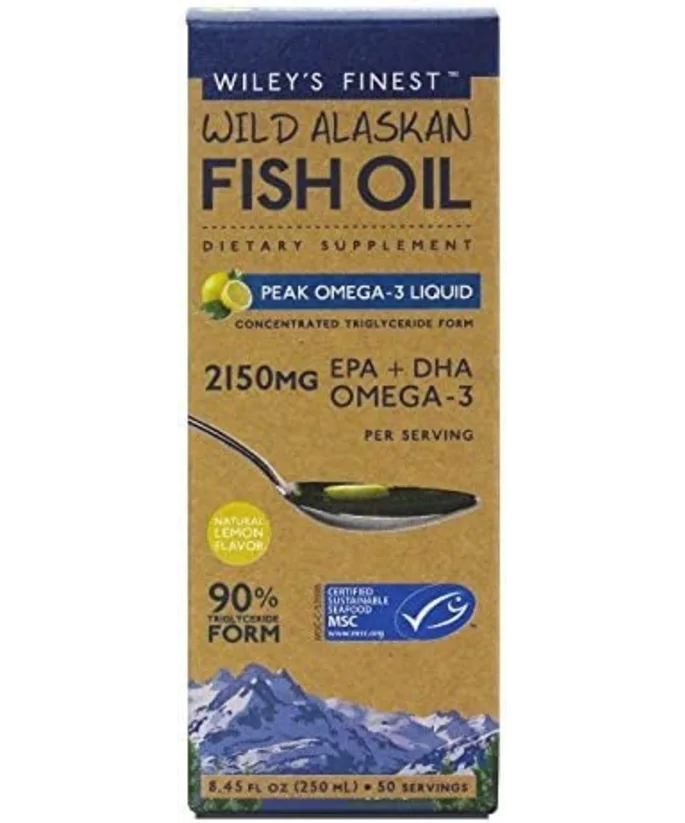
Wiley's Finest has built a strong reputation since 2012 for their commitment to Alaskan-sourced fish oil. Their Peak EPA formula delivers an impressive 750mg of EPA per softgel from MSC-certified sustainable fisheries, with rigorous testing and no fishy aftertaste.

The main consideration is the ethyl ester form rather than triglyceride, which may affect absorption. The EPA-heavy ratio is excellent for inflammation support, though those seeking balanced EPA/DHA may want to look elsewhere. Best suited for shoppers who prioritise sustainability credentials and high EPA concentration.

*Results and rankings are based on subjective opinion and do not necessarily reflect typical results from the use of these products. Please visit product website for more information.
B Overall Grade

Pros

  • 1280mg combined EPA/DHA per serving
  • Triglyceride form for optimal absorption
  • Friend of the Sea certified sustainable
  • Certificates of analysis available online
  • Recognised as Healthline's top pick

Cons

  • Requires 2 softgels per serving
  • Premium pricing at £30+ per bottle
  • Larger capsules than some competitors

The Bottom Line

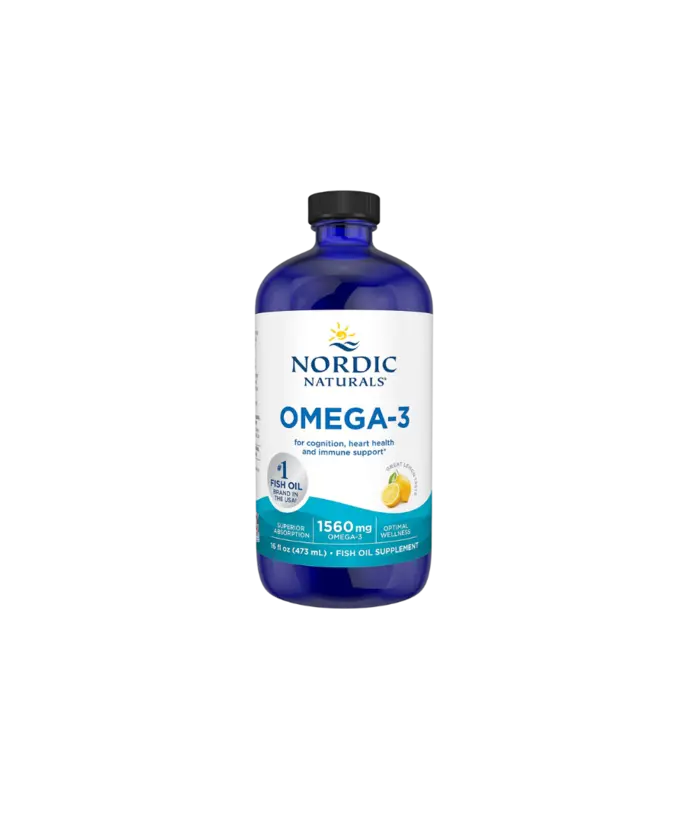
Nordic Naturals has earned its reputation as one of the most trusted names in omega-3 supplements. Their Ultimate Omega delivers 650mg EPA and 450mg DHA per serving in the preferred triglyceride form, with certificates of analysis published for every batch and Friend of the Sea certification.

The drawbacks are practical: you need two larger-than-average capsules per serving, and the premium price (£30+) may give some shoppers pause when similar potency is available for less. Best suited for those who prioritise brand reputation and transparency above all else.

*Results and rankings are based on subjective opinion and do not necessarily reflect typical results from the use of these products. Please visit product website for more information.
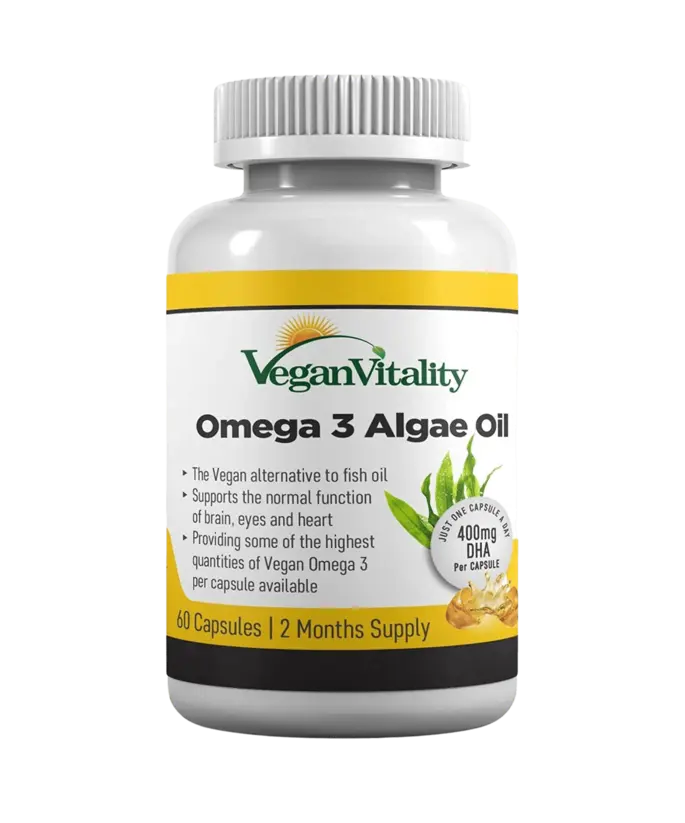
C+ Overall Grade

Pros

  • 100% vegan from sustainably farmed algae
  • 400mg DHA per capsule (high for algae)
  • Free from ocean contaminants
  • Carrageenan-free soft gel capsule
  • No fishy taste whatsoever

Cons

  • Minimal EPA content (150mg)
  • Significantly more expensive per mg
  • Less research on algae vs fish oil benefits

The Bottom Line

Vegan Vitality takes a clever approach: since fish get their omega-3s from eating algae, why not go straight to the source? Their algae oil delivers 400mg DHA per capsule, impressive for a plant-based option, with smooth flavourless capsules, no carrageenan, and no ocean contaminant concerns.

The limitation is low EPA content (150mg) compared to 660mg+ in fish-based options. While DHA supports brain and eye health, EPA is critical for inflammation and heart support. Best suited for vegans and vegetarians who want omega-3 coverage, though omnivores will get broader benefits from fish-based alternatives.

*Results and rankings are based on subjective opinion and do not necessarily reflect typical results from the use of these products. Please visit product website for more information.
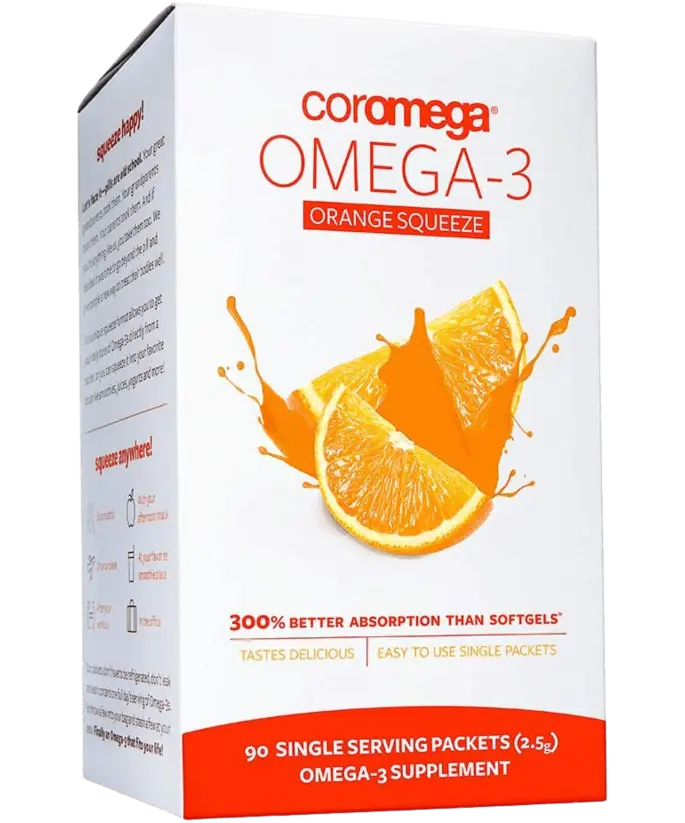
C Overall Grade

Pros

  • Emulsified format for 300% better absorption
  • "Orange creamsicle" taste, no fishy burps
  • Perfect for those who can't swallow pills
  • NSF-certified, gluten-free, non-GMO
  • Travel-friendly single-serve packets

Cons

  • Only 650mg omega-3s per packet
  • Contains stevia and added flavourings
  • Higher cost per serving than capsules
  • Single-use foil packets create waste

The Bottom Line

Coromega has carved out a unique niche with their emulsified squeeze packets. The emulsion technology claims 300% better absorption than traditional softgels, and the "dreamsicle" orange flavour has no fishy aftertaste. NSF-certified with wild-caught anchovy and sardine oil, and popular with parents because dosage can be adjusted for children.

The trade-offs are significant: each packet delivers only 650mg of omega-3s (350mg EPA, 230mg DHA), notably less than capsule alternatives. Stevia and flavourings won't appeal to purists, and the higher cost per serving with single-use foil packets adds expense and waste. Best for families or anyone who cannot tolerate capsules in any form.

*Results and rankings are based on subjective opinion and do not necessarily reflect typical results from the use of these products. Please visit product website for more information.

CITATIONS

  1. https://pubmed.ncbi.nlm.nih.gov/17685742/
  2. https://www.ncbi.nlm.nih.gov/pmc/articles/PMC3262608/
  3. https://pubmed.ncbi.nlm.nih.gov/22332096/
  4. https://www.nature.com/articles/s41430-020-0558-y
  5. https://www.nhs.uk/live-well/eat-well/food-types/fish-and-shellfish-nutrition/
  6. https://pubmed.ncbi.nlm.nih.gov/29215369/
  7. https://www.ncbi.nlm.nih.gov/pmc/articles/PMC3976923/