Best Multivitamin Supplements UK 2026 for Energy, Immunity & Wellbeing

From quality and safety to ratings and reviews, find out which multivitamin supplements we deemed best in class of 2026.

Multivitamin supplements for energy and immunity
Steph Baker - Registered Nutritionist
Reviewed by Steph Baker Registered MSc Nutritionist
Expert Reviewed

Persistent fatigue. Afternoon brain fog. That sluggish feeling that coffee can't fix. Millions of people struggle with these symptoms daily, often blaming stress or lack of sleep. But scientists have identified a surprising culprit: missing vitamins and minerals.

Your body runs on nutrients. Every cell, every reaction, every burst of energy depends on having the right vitamins and minerals available. When they're missing, even slightly, your body can't perform at its best. The result? Fatigue that won't shift, immunity that falters, and that nagging sense that something's just... off.

A well-formulated multivitamin can help bridge these gaps. But here's what the supplement industry doesn't want you to know: most multivitamins are essentially useless. They're packed with cheap, poorly absorbed ingredients in doses too small to make any real difference.

The good news? A small number of premium formulas actually deliver. They use bioavailable forms your body can absorb, meaningful doses that move the needle, and include the minerals that vitamins need to work properly.

We've tested dozens of multivitamins to find the five that actually deliver results. Here's what we found.

Your Top Multivitamin Questions Answered
Can't I just get everything I need from food? +

In theory, yes. In practice, it's increasingly difficult. Modern farming has depleted soil nutrients, meaning today's vegetables contain fewer vitamins than those grown 50 years ago. Food processing and storage further reduce nutrient content. Add busy lifestyles and imperfect eating habits, and most people have gaps. A 2022 UK survey found that over 50% of adults failed to meet recommended intakes for vitamin D, magnesium, and selenium through diet alone.

Why are some multivitamins so much cheaper? +

Think of it like food: a £3 ready meal and a £12 restaurant dish both qualify as "dinner," but the ingredients and preparation couldn't be more different. Budget multivitamins use forms your body struggles to absorb, at doses too low to move the needle. Premium formulas use forms your body recognises, at doses backed by research. The label may list the same 20 vitamins, but what reaches your cells is vastly different.

Will I actually feel a difference? +

If you have genuine nutritional gaps, most people notice improved energy within 2-4 weeks. The effects are often subtle at first: waking up feeling more refreshed, fewer afternoon energy dips, better focus. If you're severely deficient (common with vitamin D in the UK), the difference can be dramatic. However, if your diet is already excellent, the changes may be less noticeable. Think of it as insurance: you may not notice the protection until you need it.

Can you take too many vitamins? +

Quality multivitamins are formulated to be safe for daily use. Water-soluble vitamins (B-complex, C) are excreted if you take more than needed. Fat-soluble vitamins (A, D, E, K) can accumulate, but reputable brands keep these within safe daily limits (typically 100-200% NRV). The risks are from mega-dose single supplements, not from well-formulated multivitamins. Always check that doses don't exceed 150-200% NRV for fat-soluble vitamins.

What's the best time to take a multivitamin? +

Take your multivitamin with a meal, ideally breakfast or lunch. Fat-soluble vitamins (A, D, E, K) need dietary fat to be absorbed properly, so taking them on an empty stomach means much of the dose passes straight through. A meal containing healthy fats, even a splash of olive oil or some avocado, significantly improves absorption. Consistency matters more than timing, so pick a meal you eat reliably every day and build it into your routine.

The Science: How Vitamins Power Your Body

To understand why the right multivitamin matters, you need to understand how your body actually produces energy. It all comes down to tiny structures inside your cells called mitochondria.

Think of mitochondria as microscopic power plants. They take the food you eat and convert it into ATP, the energy currency your body uses for everything from thinking to moving. Each cell contains hundreds to thousands of these power plants, working around the clock to keep you functioning.

Here's the crucial part: mitochondria can't produce energy without specific vitamins and minerals. B vitamins act as essential coenzymes in the energy production cycle. Without adequate B1, B2, B3, B5, and B12, your mitochondria simply can't do their job efficiently. The result? Fatigue, brain fog, and that persistent feeling of running on empty.

But it goes deeper. Vitamins D3, C, E, and selenium protect your mitochondria from oxidative damage. As we age, mitochondrial function naturally declines. Supporting these cellular power plants with the right nutrients may help maintain energy production as you get older.

Other Benefits of a Quality Multivitamin:
  • Support energy production and reduce tiredness
  • Strengthen immune defences with C, D3, zinc and selenium
  • Sharpen focus, memory and mental clarity
  • Maintain healthy bones, heart and blood pressure
  • Nourish skin, hair and nails from the inside out
Why Most Multivitamins Don't Work

Walk into any supermarket and you'll find shelves of multivitamins priced under £10. They promise "complete daily nutrition" in a single tablet. But the economics of the supplement aisle tell a different story.

Supermarkets demand razor-thin margins. To hit a £7.99 price point with a healthy profit, manufacturers must cut costs somewhere. That somewhere is the ingredients that actually matter. Premium mineral forms like zinc bisglycinate cost 10-15x more than basic zinc oxide. Methylated B vitamins cost 5x more than their synthetic equivalents. At supermarket prices, these simply don't make it into the formula.

Then there's the marketing trick of the long ingredient list. It looks impressive on the back of the box: 30 vitamins and minerals. But flip it over and check the actual doses. You'll often find 10-25% of your daily requirement for most nutrients. The list is designed to look comprehensive, not to be comprehensive. Manufacturers know most shoppers scan the front label, not the small print.

The hidden cost of cheap multivitamins is what you don't absorb. You might save £20 per year compared to a premium formula, but if your body only uses a fraction of what's in the tablet, you've saved nothing. Worse, you've spent months thinking your nutrition was covered when it wasn't. That false sense of security may be the biggest cost of all.

Choosing The Right Multivitamin Format

Multivitamins come in various formats. Here's how they compare:

Capsules
Powder
Gummies
Taste None Varies Sweet
Ease of Use Grab & go Mix daily Chew
Nutrient Density ★★★★★ ★★★★★ ★★★
Sweeteners None Some 2-3g sugar
Travel Bulky
Best For Most people Smoothie fans Pill-averse

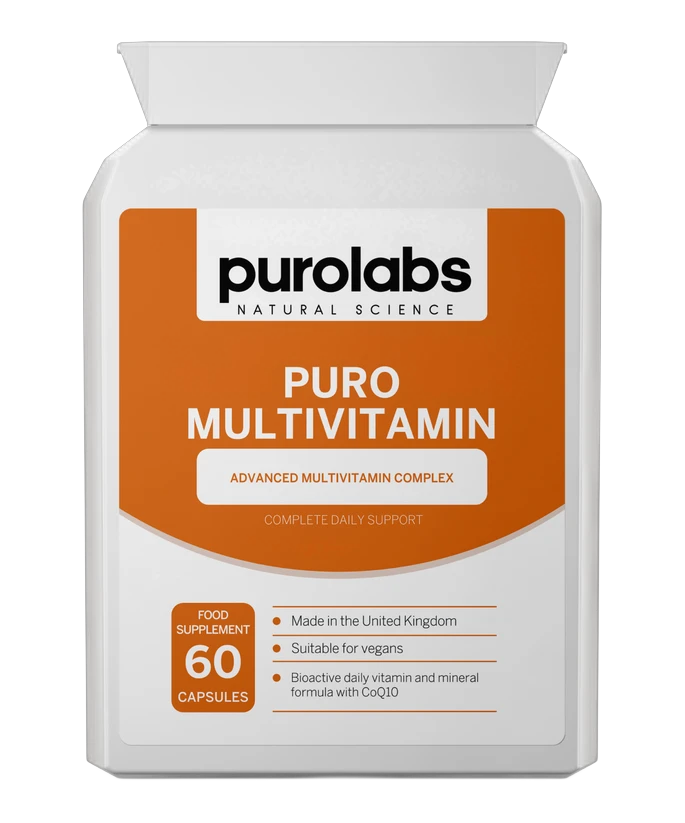
Our recommendation: For most people, capsules offer the best balance of nutrient density and convenience. They allow for comprehensive formulas without the added sugars found in gummies, and are grab-and-go friendly unlike powders which need daily mixing.

What To Look For In A Multivitamin
Comprehensive Formula (25+ Nutrients)

The best multivitamins go beyond basic vitamins to include essential minerals, trace elements, and beneficial compounds. Look for products with at least 25 active ingredients covering vitamins A-K, B-complex, and key minerals like zinc, selenium, and magnesium.

Bioavailable Forms

Not all vitamin forms are equal. Look for chelated minerals (like zinc citrate instead of zinc oxide) and active folate rather than synthetic folic acid. Higher bioavailability means more of each nutrient actually reaches your cells, so you get genuine value from every capsule.

Meaningful Doses

Many multivitamins include tiny "pixie dust" amounts of nutrients just to list them on the label. Look for products that provide meaningful doses, typically 50-100% NRV for most vitamins and minerals, with higher doses for commonly deficient nutrients like vitamin D and B12.

CoQ10 & Antioxidants

Advanced formulas include beneficial compounds beyond basic vitamins. Coenzyme Q10 supports cellular energy production, while antioxidants like lutein protect against oxidative stress. These additions set premium multivitamins apart from basic formulas.

Third-Party Testing

Multivitamins contain 25+ ingredients, making quality control more complex than single-nutrient supplements. Independent lab testing verifies that what is on the label matches what is in the capsule. Look for brands that publish exact doses and can demonstrate third-party verification.

What To Avoid In A Multivitamin
Synthetic Fillers & Additives

Watch out for titanium dioxide (whitening agent), magnesium stearate (flow agent), and artificial colours. These add nothing beneficial and simply bulk out the formula. Quality brands prioritise clean, minimal ingredient lists with natural alternatives.

Excessive Sugar (Gummies)

Gummy vitamins often contain 2-3g of sugar per serving, adding up to significant sugar intake over time. They also typically contain fewer active ingredients due to manufacturing limitations. If you can swallow capsules, they're almost always a better choice.

Proprietary Blends

Some brands list groups of ingredients under a single combined weight, making it impossible to know how much of each nutrient you're actually getting. If a label says "Vitamin Blend 500mg" but doesn't break down the individual doses, you have no way to judge quality. Transparent labelling is non-negotiable.

Missing Key Minerals

A surprising number of "complete" multivitamins contain vitamins but skimp on minerals like magnesium, zinc, and selenium. Vitamins need mineral cofactors to function properly. Vitamin D without magnesium can't be activated. B vitamins without zinc work less efficiently. A multivitamin without meaningful mineral content is only half the picture.

Top 5 Multivitamin Supplements Of 2026

After extensive testing and research, these are the products that made our list.

A- Overall Grade

Pros

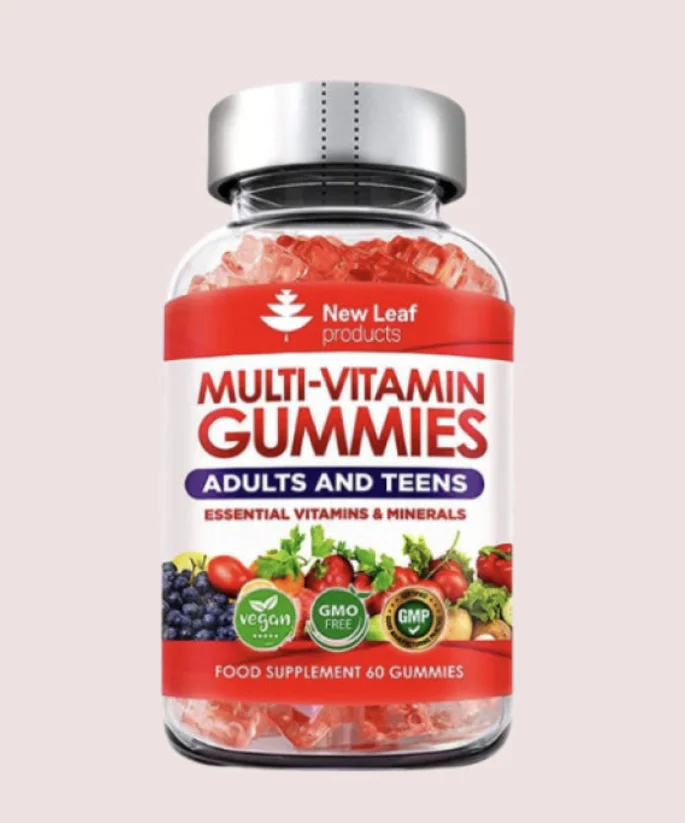
  • Pleasant taste makes daily compliance easy
  • 11 essential vitamins and minerals
  • Vegan-friendly and gluten-free
  • No artificial colours or flavours
  • Good option for those who dislike pills

Cons

  • Only 11 nutrients vs 34 in capsule alternatives
  • Contains added sugars
  • 30-day supply (2 gummies daily)
  • No CoQ10 or specialised compounds

The Bottom Line

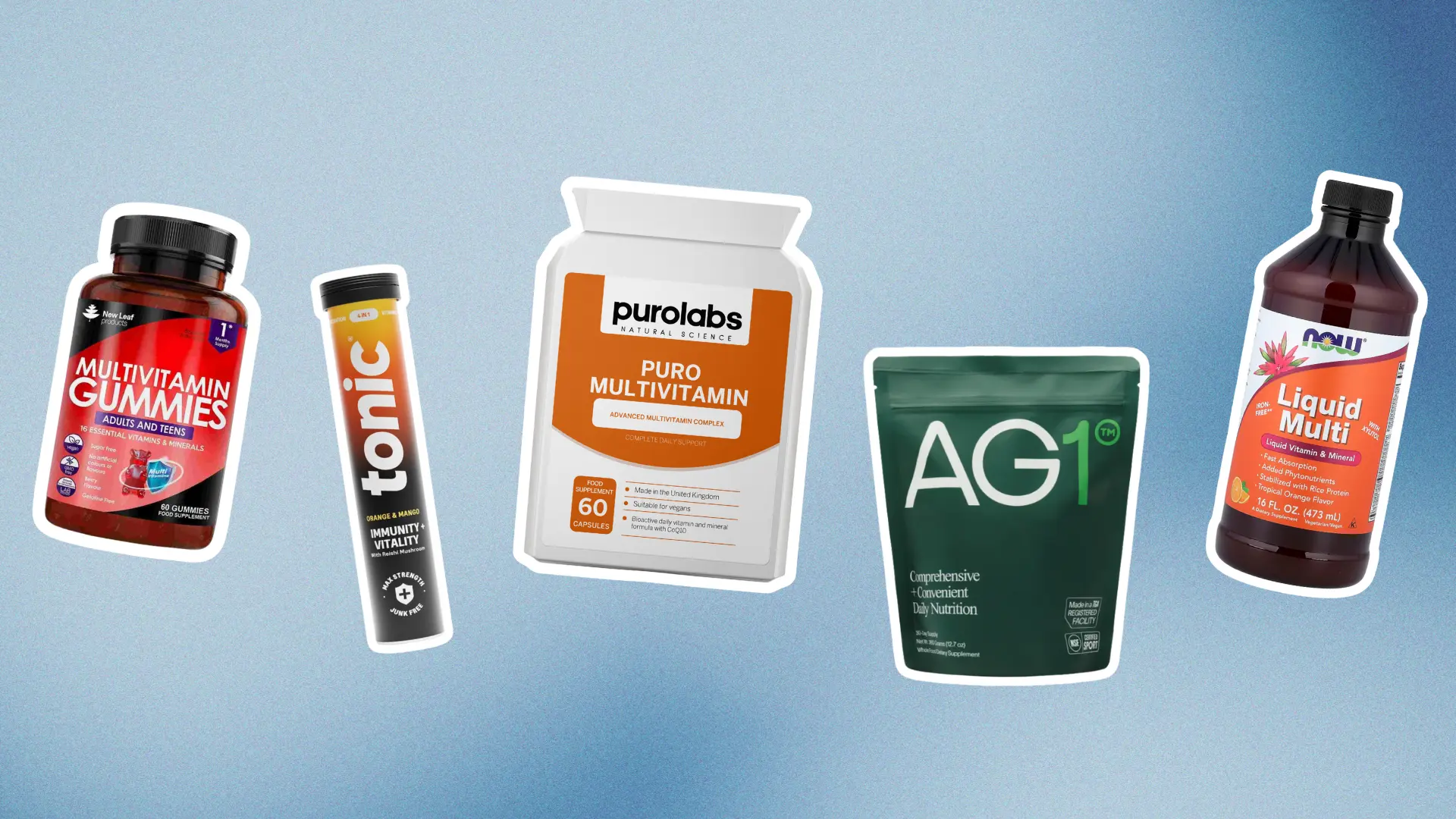
New Leaf offers a tasty, enjoyable way to take your daily vitamins that's particularly appealing if you struggle with swallowing pills. The gummies are genuinely pleasant to eat, vegan-friendly, and free from artificial colours, making daily compliance much easier.

The trade-off is nutritional depth: the formula contains only 11 vitamins and minerals compared to 34+ in premium capsule alternatives, with added sugar and no specialised compounds like CoQ10. Best suited for those who genuinely cannot swallow capsules and prefer a simpler daily vitamin.

*Results and rankings are based on subjective opinion and do not necessarily reflect typical results from the use of these products. Please visit product website for more information.

B+ Overall Grade

Pros

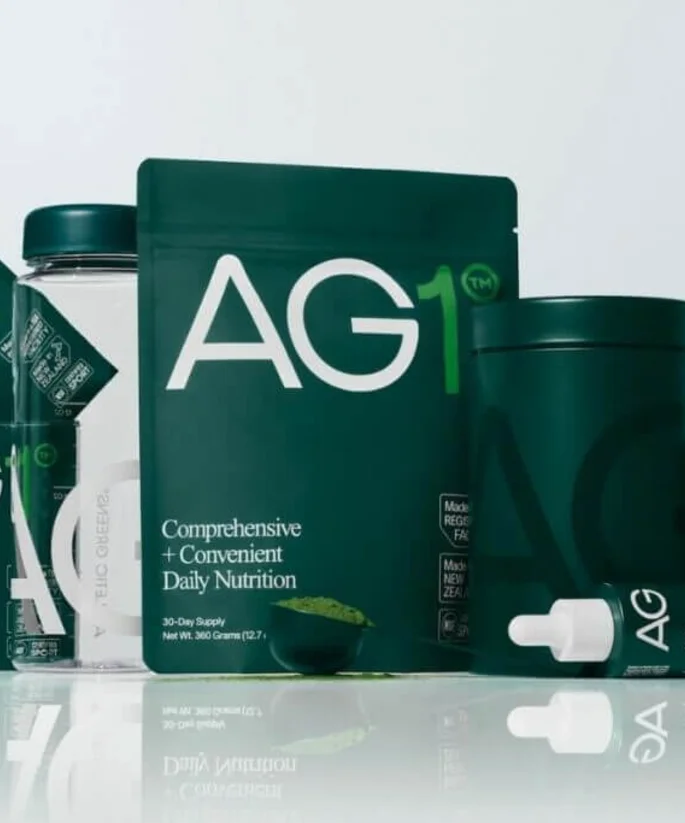
  • 75 vitamins, minerals and whole food ingredients
  • Includes adaptogens and superfoods
  • Probiotics and prebiotics included
  • Popular with athletes and influencers
  • NSF Certified for Sport

Cons

  • Very expensive (£79+ per month)
  • Powder format requires mixing
  • Strong taste some find unpleasant
  • Must be refrigerated after opening

The Bottom Line

Athletic Greens AG1 has become the most talked-about greens supplement thanks to extensive influencer marketing and podcast sponsorships. The formula is genuinely comprehensive, with 75 ingredients spanning vitamins, minerals, adaptogens, prebiotics, and probiotics, offering gut health benefits not found in standard multivitamins.

The price is the main barrier: at £79+ per month, it's substantially more expensive than capsule alternatives offering similar vitamin and mineral coverage. The taste is divisive and the powder format requires mixing and refrigeration. Best suited for those who specifically want a greens-and-adaptogens blend and have the budget for it.

*Results and rankings are based on subjective opinion and do not necessarily reflect typical results from the use of these products. Please visit product website for more information.

B Overall Grade

Pros

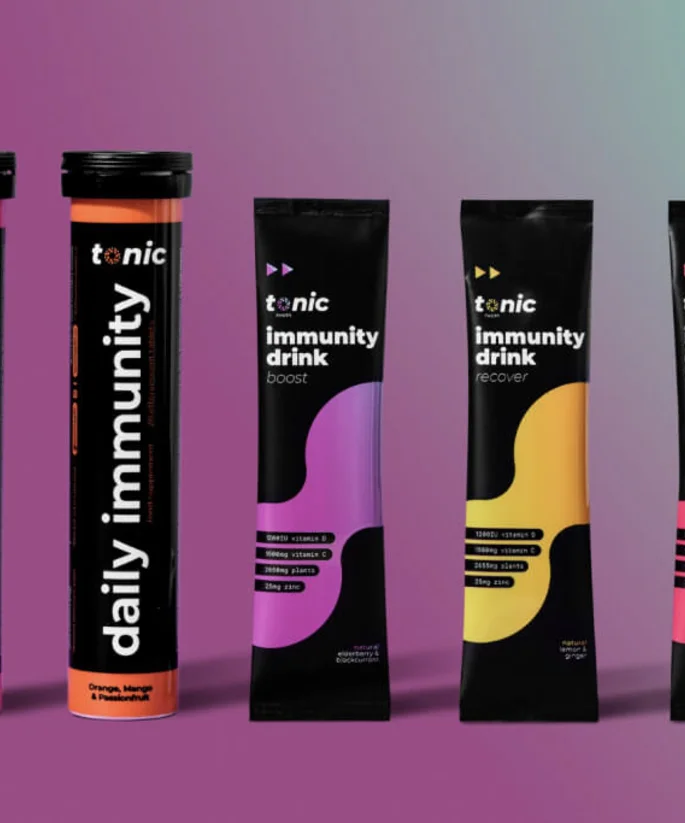
  • Effervescent format is easy to take
  • Focus on immune-supporting nutrients
  • Includes Reishi mushroom extract
  • Pleasant natural flavour
  • No artificial sweeteners

Cons

  • Primarily immunity-focused, not comprehensive
  • Must dissolve in water daily
  • Less convenient for travel
  • Higher price per serving

The Bottom Line

Tonic Health takes a different approach with effervescent tablets focused primarily on immune support. The format is refreshing, with pleasant natural flavours and interesting additions like Reishi mushroom alongside standard immune vitamins C, D, and zinc.

The limitation is scope: this is a specialised immunity product, not a comprehensive multivitamin. It won't cover energy, bones, skin, or all body systems. The format also requires dissolving in water daily. Best suited as a seasonal immune booster rather than your primary daily supplement.

*Results and rankings are based on subjective opinion and do not necessarily reflect typical results from the use of these products. Please visit product website for more information.

C+ Overall Grade

Pros

  • Liquid format for easy absorption
  • Pleasant berry or tropical orange flavour
  • Suitable for adults and children
  • Established US brand since 1968
  • Dairy-free, gluten-free, kosher

Cons

  • Must refrigerate after opening
  • Bulky bottle not travel-friendly
  • Contains sweeteners for palatability
  • Not widely available in UK shops

The Bottom Line

Now Foods is a well-established American supplement brand with over 50 years of history. Their Liquid Multi offers potentially better absorption than tablets, pleasant berry or tropical orange flavours, and versatility for both adults and children.

The practical drawbacks hold it back: the bottle requires refrigeration, isn't portable, contains sweeteners for palatability, and isn't widely stocked in UK shops. Best suited for families who prefer liquid supplements and don't mind ordering online.

*Results and rankings are based on subjective opinion and do not necessarily reflect typical results from the use of these products. Please visit product website for more information.

CITATIONS

  1. https://www.nhs.uk/conditions/vitamins-and-minerals/
  2. https://pubmed.ncbi.nlm.nih.gov/29534029/
  3. https://www.ncbi.nlm.nih.gov/pmc/articles/PMC3309636/
  4. https://pubmed.ncbi.nlm.nih.gov/17209171/
  5. https://www.ncbi.nlm.nih.gov/pmc/articles/PMC7019700/
  6. https://pubmed.ncbi.nlm.nih.gov/31691617/
  7. https://www.ncbi.nlm.nih.gov/pmc/articles/PMC8625801/