The Best Cod Liver Oil Supplements of 2026 for Omega-3, Vitamin A & D

From quality and safety to ratings and reviews, find out which cod liver oil products we deemed best in class of 2026.

Cod liver oil supplement capsules with omega-3 fatty acids
Steph Baker - Registered Nutritionist
Reviewed by Steph Baker Registered MSc Nutritionist
Expert Reviewed

Your grandmother was right about cod liver oil. She just could not tell you why. While the supplement world chases trending ingredients, this centuries-old remedy quietly delivers something almost no modern product can match: omega-3 fatty acids, vitamin A, and vitamin D, all from a single natural source.

That matters more than ever. Research suggests that one in five UK adults has low vitamin D levels, while omega-3 intake remains well below recommended amounts for most of the population. These deficiencies may contribute to fatigue, low mood, poor immunity, and joint stiffness.

The problem is quality, not the supplement itself. The UK cod liver oil market is flooded with products of wildly varying standards. Some contain barely measurable vitamin levels. Others use undisclosed blends or skip third-party testing entirely. Knowing which products actually deliver on their label claims is harder than it should be.

We evaluated dozens of options to find the five that hold up to scrutiny.

Your Top Cod Liver Oil Questions Answered
Who should take a cod liver oil supplement? +

Cod liver oil may benefit anyone looking to support their omega-3, vitamin A, and vitamin D intake from a single supplement. It is particularly popular among those concerned about winter immunity, joint comfort, and maintaining healthy skin and vision. People who do not eat oily fish at least twice a week may find it especially useful. That said, pregnant women should avoid cod liver oil due to its vitamin A content, so speak to your GP if you are unsure whether it is suitable for you.

How much cod liver oil should I take daily? +

Most health authorities recommend around 250mg of combined EPA and DHA daily for general cardiovascular health. A quality cod liver oil supplement should also provide close to 100% of your nutrient reference value (NRV) for vitamins A and D. It is best taken with food containing some fat to aid absorption. Be cautious with high-dose products, as vitamin A is fat-soluble and accumulates in the body. If you take other supplements containing vitamin A or D, check the combined totals to stay within safe limits.

How long does cod liver oil take to show results? +

This depends on what you are taking it for. Research published in The American Journal of Clinical Nutrition suggests that omega-3 levels in red blood cells typically reach a steady state after 4 to 6 weeks of consistent supplementation. Vitamin D levels may take 8 to 12 weeks to improve meaningfully, according to NHS guidance. Joint comfort improvements are often reported after 2 to 3 months of regular use. The key is consistency, as sporadic use is unlikely to produce noticeable benefits.

How is cod liver oil different from fish oil? +

Standard fish oil is extracted from the flesh of oily fish and contains only omega-3 fatty acids (EPA and DHA). Cod liver oil comes specifically from the liver of cod, which means it naturally contains vitamins A and D alongside omega-3s. The trade-off is that cod liver oil typically provides lower omega-3 doses per serving than concentrated fish oil, so your choice depends on whether you value the broader nutrient profile or maximum omega-3 potency.

Does cod liver oil help with joint pain? +

Research suggests that the omega-3 fatty acids in cod liver oil, particularly EPA, may support joint comfort and mobility. A study published in the journal Rheumatology found that participants taking cod liver oil reported improvements in joint stiffness after several months of consistent use. It is not a replacement for medical treatment, but many people find it a useful addition to their routine, especially during the colder months when joint discomfort tends to increase.

Why Choose Cod Liver Oil?

Joint health and mobility. EPA, one of the two main omega-3 fatty acids in cod liver oil, may support joint comfort and flexibility. Research suggests it plays a role in the body's normal response to everyday wear and tear on joints. This makes cod liver oil particularly relevant for older adults, active individuals, and anyone who notices increased stiffness during colder months.

Immune function and winter wellness. Vitamin D contributes to the normal function of the immune system, and the UK's limited sunlight between October and March makes deficiency common. Public Health England recommends that all adults consider supplementing vitamin D during autumn and winter. Cod liver oil provides vitamin D alongside omega-3s, which may also support the body's natural immune processes.

Natural vitamin A and D synergy. What makes cod liver oil genuinely different from standard fish oil is its naturally occurring vitamins A and D. These two nutrients work together in the body, with vitamin D supporting calcium absorption and vitamin A contributing to normal vision and skin health. Because they occur naturally in the oil rather than being added synthetically, some researchers suggest they may be better absorbed, though more studies are needed to confirm this.

Heart and brain health. DHA contributes to the maintenance of normal brain function, while EPA and DHA together contribute to normal heart function. These are among the best-evidenced benefits of omega-3 supplementation, supported by EFSA-approved health claims. For those who do not eat oily fish regularly, cod liver oil offers a practical way to maintain adequate intake.

Research Suggests A Quality Cod Liver Oil Supplement May:
  • Contribute to normal heart function through EPA and DHA
  • Help maintain normal vision with vitamin A
  • Support normal immune system function
  • Contribute to the maintenance of normal bones and teeth
  • Help maintain normal brain function with DHA

Capsules vs Liquid: Which Format Is Best?

Cod liver oil comes in three main formats. Here is how they compare:

Capsules
Liquid
Flavoured Liquid
Ease of Use Swallow & go Measure & pour Measure & pour
Additives Risk Minimal Low Flavourings
Nutrient Retention ★★★★ ★★★★★ ★★★★
Travel Friendly Difficult Difficult
Best For Most people Max potency Taste-sensitive

Our recommendation: For most people, softgel capsules offer the best balance of convenience, consistent dosing, and value. No fishy taste, no measuring, no refrigeration required. Liquid oils and flavoured liquids suit those who need very high doses or have difficulty swallowing capsules.

What To Look For In A Cod Liver Oil Supplement
Balanced EPA & DHA

EPA and DHA are the two omega-3 fatty acids with the strongest evidence base. EPA is associated with cardiovascular function, while DHA contributes to normal brain and eye function. Look for a product that provides meaningful amounts of both, ideally at least 150mg combined per serving.

Vitamins A & D at Meaningful Levels

The whole point of choosing cod liver oil over standard fish oil is the naturally occurring vitamins A and D. Some products contain only trace amounts. Look for products providing close to 100% of your NRV for both vitamins, so you get genuine value from choosing cod liver oil over a basic fish oil.

Sustainability Certification

Atlantic cod stocks have been under pressure for decades. Products with Friend of the Sea or MSC certification demonstrate that the oil is sourced from well-managed, sustainable fisheries. This also tends to correlate with higher quality control standards throughout the supply chain.

Added Vitamin E (Natural Antioxidant)

Omega-3 fatty acids are susceptible to oxidation, which can reduce their effectiveness and create an unpleasant taste. Vitamin E acts as a natural antioxidant, protecting the oil from going rancid and helping to maintain freshness throughout the shelf life of the product.

GMP Manufacturing & Third-Party Testing

Fish-derived supplements carry a risk of heavy metal contamination (mercury, lead, cadmium). Products manufactured in GMP-certified facilities with third-party testing for purity provide assurance that contaminant levels are well within safe limits and that what is on the label is in the capsule.

Money-Back Guarantee

Cod liver oil benefits typically take 4 to 12 weeks to become noticeable, and individual responses vary. A 60-day money-back guarantee signals that the brand stands behind the product's quality and is not relying on one-time purchases. It also removes the financial risk from trying a new supplement, which is especially important given the wide price range across the market.

What To Avoid In A Cod Liver Oil Supplement
Excessive Vitamin A Doses

Vitamin A is fat-soluble and accumulates in the body. Some cod liver oil products, particularly raw or fermented varieties, contain very high levels that can exceed the tolerable upper limit with regular use. Stick to products providing around 100% NRV (800mcg) to get the benefits without the risk.

Signs of Rancidity

Omega-3 oils degrade over time, and rancid fish oil may do more harm than good. Watch for a dark colour, a strong or unpleasant smell when you open the bottle, or a bitter aftertaste. Always check the expiry date before purchasing, and avoid products that have been stored in warm conditions or clear packaging that exposes the oil to light.

Blended Fish Oils Labelled as "Cod Liver Oil"

Some products are marketed as cod liver oil but actually contain a blend of cheaper fish oils with synthetic vitamins added to mimic the nutritional profile. Check the ingredients list carefully. Genuine cod liver oil should list cod liver oil as the primary ingredient, not generic "fish oil" or "marine oil" with added retinol and cholecalciferol.

Artificial Additives & Fillers

Some budget cod liver oil supplements pad their formulas with unnecessary fillers, artificial colours, or synthetic preservatives. A clean formula should contain the oil, a softgel shell (typically bovine or fish gelatin), and a natural antioxidant like vitamin E. Nothing more.

Top 5 Cod Liver Oil Supplements Of 2026

After extensive testing and research, these are the products that made our list.

B+ Overall Grade

Pros

  • Raw, unprocessed extraction method
  • Very high EPA (443mg) and DHA (605mg) per teaspoon
  • Norwegian-sourced wild cod
  • Strong following in the ancestral health community
  • No heat or chemicals used during extraction

Cons

  • £56.95 per bottle, nearly double most alternatives
  • Liquid format only, no capsule option
  • Strong raw fish taste (common complaint in reviews)
  • Must be refrigerated after opening

The Bottom Line

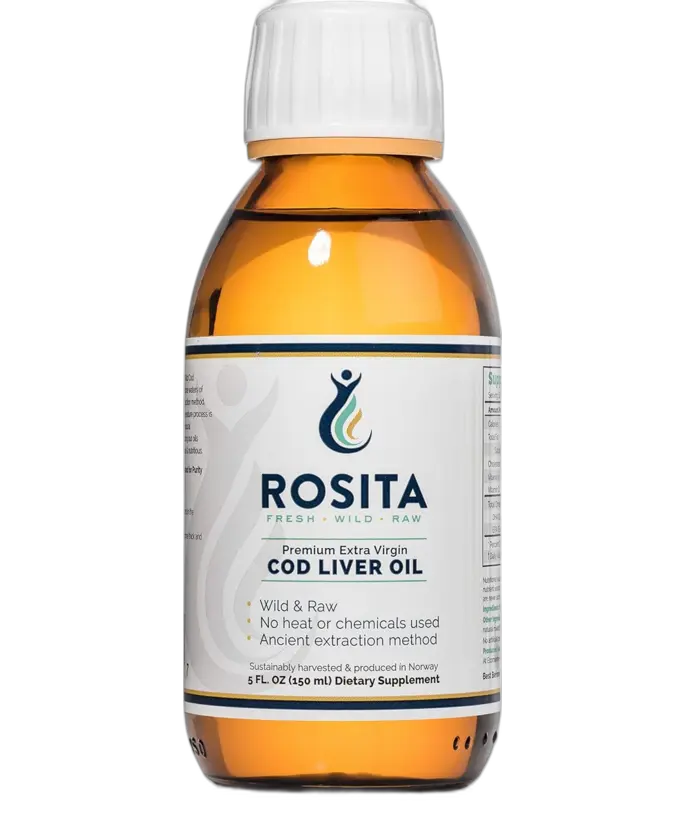
Rosita has built a devoted following in the ancestral health and Weston A. Price communities. Their "extra virgin" extraction method preserves the oil in its most natural, unprocessed state, which appeals to purists who want their cod liver oil as close to nature as possible.

The omega-3 content is impressive, with 443mg EPA and 605mg DHA per teaspoon. The Norwegian sourcing and minimal processing are genuine differentiators.

However, at £56.95 per bottle, it is the most expensive option on our list. The liquid-only format means dealing with a strong raw fish taste that many reviewers find difficult, plus the need for refrigeration and careful measuring. The premium price and liquid format make Rosita a specialist choice for those who specifically value raw, unprocessed oils, rather than an everyday option for the average shopper.

Best for: committed ancestral health enthusiasts who prioritise raw, unprocessed supplements and do not mind the taste or price.

*Results and rankings are based on subjective opinion and do not necessarily reflect typical results from the use of these products. Please visit product website for more information.

B Overall Grade

Pros

  • Unique fermented cod liver oil + butter oil blend
  • Contains vitamin K2 from butter oil
  • Capsule format available (120 capsules)
  • Popular in traditional nutrition circles

Cons

  • £49.98, a significant premium over standard capsule options
  • Fermented process raises oxidation and rancidity concerns
  • No standardised nutrient values on the label
  • Taste complaints common, even in capsule form

The Bottom Line

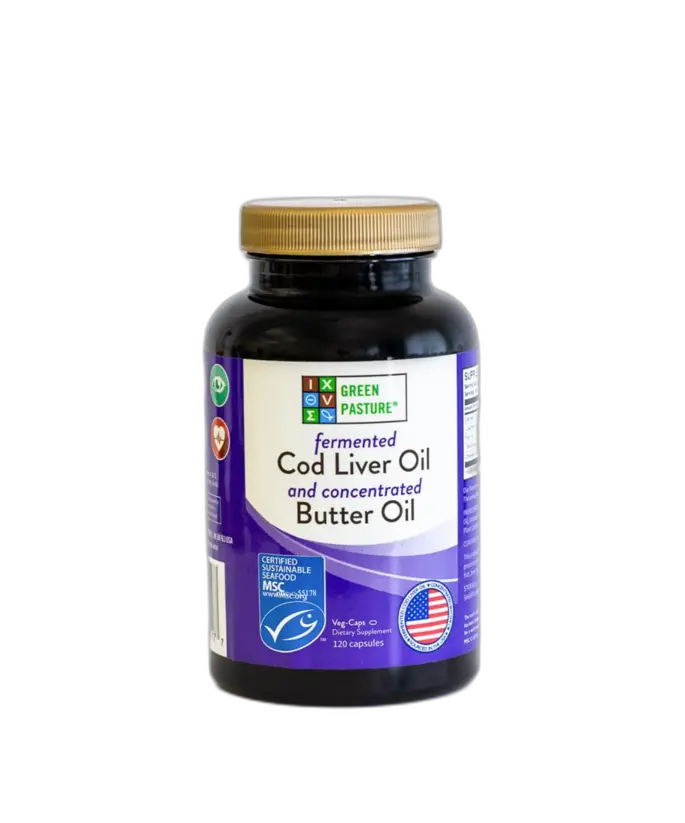
Green Pasture's Blue Ice Royal is a unique product that combines fermented cod liver oil with high-vitamin butter oil. The butter oil adds vitamin K2, which works synergistically with vitamins A and D for bone health. This combination has a loyal following among traditional nutrition advocates.

The main concern is the fermentation process itself. Some independent commentators have raised questions about oxidation levels in fermented products, and the lack of standardised nutrient values on the label makes it difficult to know exactly what you are getting in each capsule.

At £49.98 for 120 capsules, it is a significant investment for a product with uncertain potency.

Best for: those who follow Weston A. Price dietary principles and specifically want a fermented product with vitamin K2.

*Results and rankings are based on subjective opinion and do not necessarily reflect typical results from the use of these products. Please visit product website for more information.

B Overall Grade

Pros

  • Well-known, trusted brand in omega-3 category
  • 750mg total omega-3 per 3-softgel serving
  • Lemon-flavoured softgels reduce fishy taste
  • Third-party tested for purity

Cons

  • Requires 3 softgels per serving
  • Very low vitamin A (only 21% NRV)
  • Almost no vitamin D (less than 2% NRV)
  • £50.85 for 180 softgels, premium pricing for low vitamin content

The Bottom Line

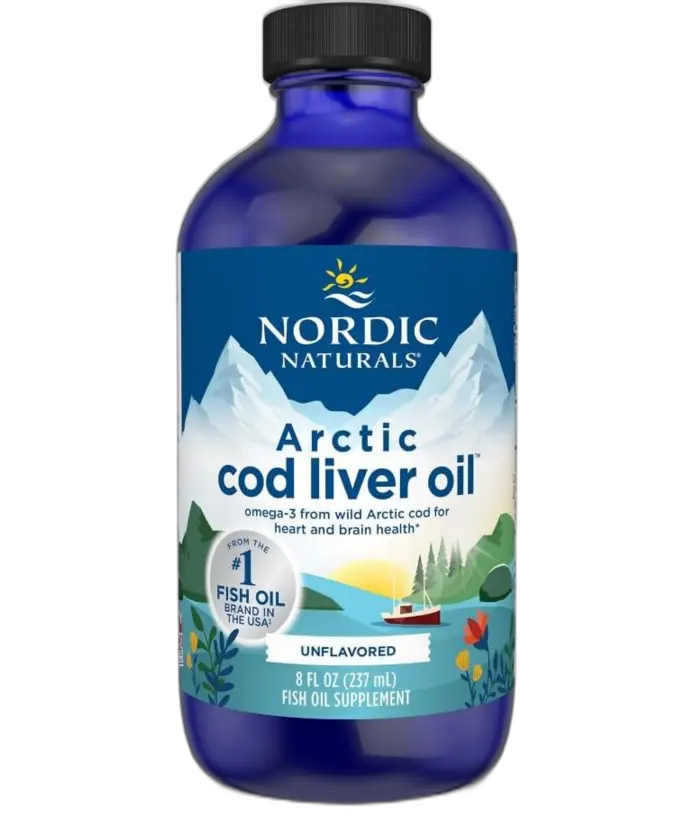
Nordic Naturals is one of the most recognised names in the omega-3 space, and their Arctic Cod Liver Oil reflects that reputation with solid third-party testing and a clean manufacturing process. The lemon flavouring helps mask the typical cod liver oil taste.

However, this product falls short where cod liver oil should excel. Vitamin A sits at just 21% of the NRV, and vitamin D is virtually absent at less than 2%. Those lower vitamin levels mean you may still need separate A and D supplements, which adds cost and complexity.

The 3-softgel serving size and £50.85 price tag are further drawbacks. A solid omega-3 product from a trusted brand, but it misses the mark as a complete cod liver oil supplement.

Best for: those who want a trusted omega-3 brand name and are less concerned about vitamin A and D levels.

*Results and rankings are based on subjective opinion and do not necessarily reflect typical results from the use of these products. Please visit product website for more information.

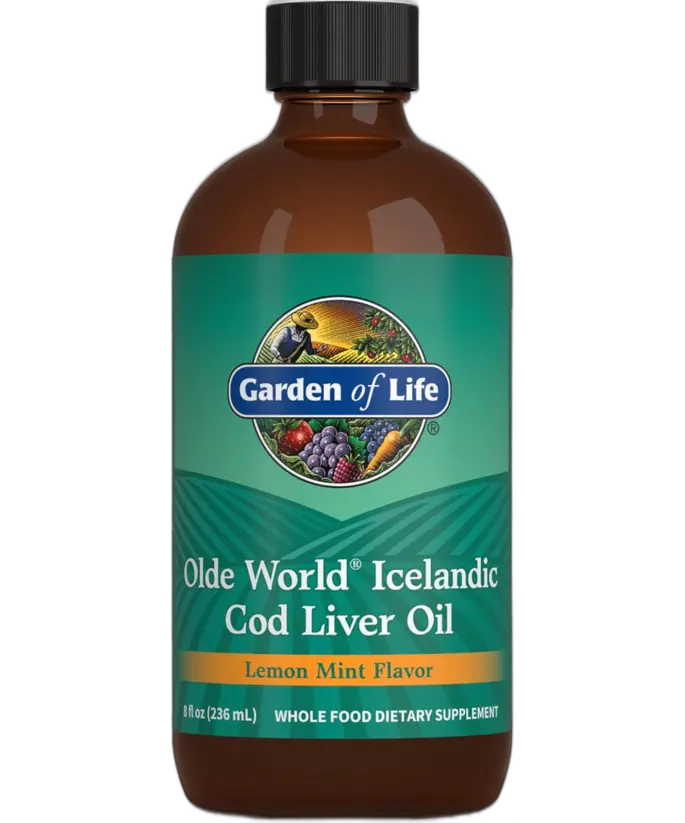
B- Overall Grade

Pros

  • Strong omega-3 content (447mg EPA, 400mg DHA per tsp)
  • High vitamin A and D levels
  • Lemon mint flavouring improves taste
  • Icelandic-sourced cod
  • Competitive price per serving compared to other liquids

Cons

  • Liquid format only, less convenient
  • Owned by Nestle, not an independent brand
  • Some reviewers still find the taste unpleasant
  • No sustainability certification disclosed

The Bottom Line

Garden of Life's Olde World Icelandic Cod Liver Oil delivers strong nutritional numbers, with 447mg EPA, 400mg DHA, and generous levels of vitamins A and D per teaspoon. The lemon mint flavouring is a genuine attempt to make the liquid format more palatable.

The main drawbacks are practical. It is a liquid-only product, which means measuring, refrigerating, and dealing with some degree of fishy taste despite the flavouring. Garden of Life is now owned by Nestle, which may matter to shoppers who prefer independent supplement brands.

The lack of any disclosed sustainability certification is a concern for an ocean-sourced product. At £36.99 for a 236ml bottle, it offers decent value per serving, but the inconvenience of liquid format and absence of environmental credentials hold it back.

Best for: those who want strong omega-3 and vitamin content in a liquid format at a more accessible price point.

*Results and rankings are based on subjective opinion and do not necessarily reflect typical results from the use of these products. Please visit product website for more information.

CITATIONS

  1. https://www.ncbi.nlm.nih.gov/pmc/articles/PMC3257651/
  2. https://www.ncbi.nlm.nih.gov/pmc/articles/PMC4179167/
  3. https://pubmed.ncbi.nlm.nih.gov/22332096/
  4. https://www.gov.uk/government/publications/vitamin-d-and-health-report