
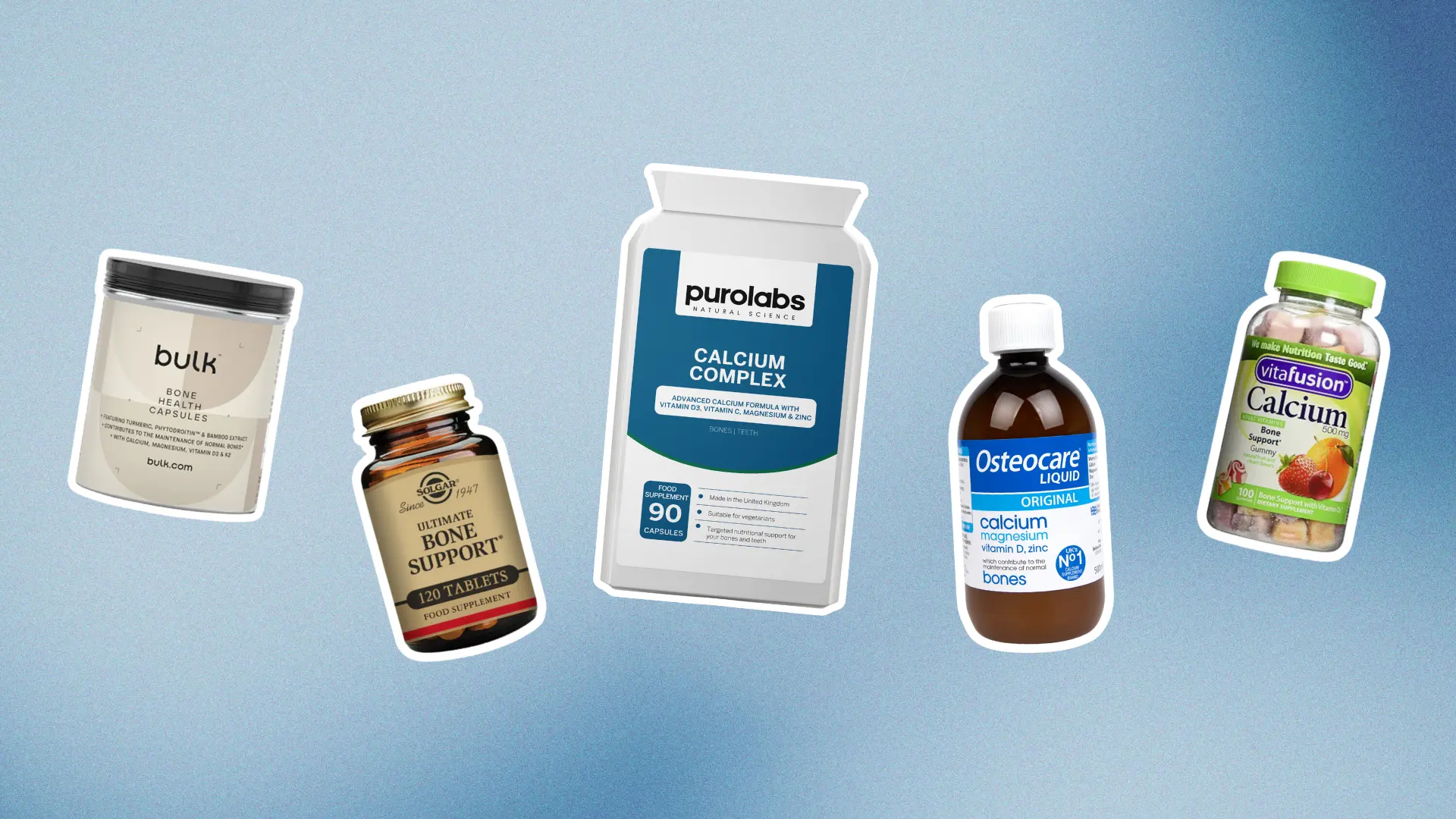

Best Calcium Supplements UK 2026 for Bones, Teeth & Muscle Function

From quality and safety to ratings and reviews, find out which calcium supplements we deemed best in class of 2026.

Calcium supplements for strong bones and healthy teeth
Steph Baker - Registered Nutritionist
Reviewed by Steph Baker Registered MSc Nutritionist
Expert Reviewed

Brittle nails that split without warning. Muscle cramps that wake you at night. A nagging worry about bone health as you get older. If any of this sounds familiar, calcium is one of the first nutrients worth looking at.

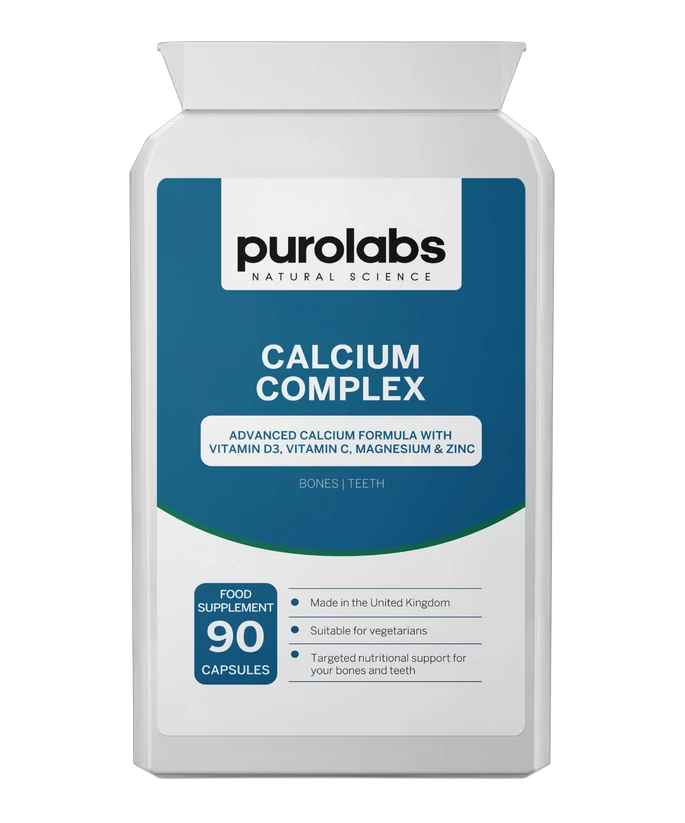
Calcium is essential for strong bones, healthy teeth and normal muscle function. But with so many calcium supplements on the market, it can be hard to tell which ones actually work. The form of calcium matters, and so do the supporting nutrients like vitamin D3, magnesium and vitamin C that help your body absorb it and build the collagen scaffold your bones are made of.

A quality calcium supplement should give you more than just milligrams on a label. It should contain the right form in the right combination to genuinely support your bones.

We reviewed dozens of UK calcium supplements to find the five that get it right.

Your Top Calcium Questions Answered
Who is most at risk of calcium deficiency? +

Postmenopausal women face the highest risk due to declining oestrogen accelerating bone loss. Vegans, dairy-free eaters, adults over 65, and those taking proton pump inhibitors are also vulnerable. The National Diet and Nutrition Survey found that approximately 11% of women aged 19-64 have calcium intakes below recommended levels.

Can I get enough calcium from food alone? +

It depends on your diet. A glass of milk provides roughly 300mg, a portion of cheddar about 220mg, and 100g of sardines around 380mg. If you eat dairy regularly, you may well reach 700mg. But if you are dairy-free, lactose intolerant, or simply inconsistent with calcium-rich foods, a supplement helps bridge the gap. Bear in mind that spinach and other oxalate-rich greens contain calcium but much of it is poorly absorbed.

Is it safe to take calcium long-term? +

At moderate doses (up to 1000mg total from food and supplements combined), long-term use is generally considered safe. The concerns you may have read about relate to very high-dose calcium without supporting nutrients. Staying within recommended limits and choosing a bioavailable formula that includes vitamin D3 and magnesium is the most sensible approach. Always speak with your GP if you have kidney issues or take medication that interacts with calcium.

When is the best time to take calcium? +

Split your dose if taking more than 500mg, as the body absorbs smaller amounts more efficiently. Avoid taking calcium at the same time as iron supplements or thyroid medication, as they compete for absorption. Many people find it easiest to take one dose with breakfast and another with dinner, which naturally spaces the servings out.

How long does it take to see results? +

Bone is slow-turnover tissue. You will not feel a difference overnight. Studies measuring bone mineral density typically run for 12 to 24 months before detecting meaningful changes. However, secondary benefits like reduced muscle cramps or improved nail strength may appear within 4 to 8 weeks. Consistency is more important than any single dose.

Bone Density Declines With Age

100% 30
95% 40
85% 50
70% 60
55% 70
45% 80
35% 90

Age (Years) Peak bone mass is typically reached around age 30. After that, the balance tips: your body breaks down bone faster than it rebuilds it. For women, menopause accelerates this process dramatically.

Why People Take Calcium

Calcium is the most abundant mineral in your body. 99% of it sits in your bones and teeth, giving them their strength and structure. The remaining 1% plays a vital role in everyday functions like muscle contraction, nerve signalling and blood clotting.

When you do not get enough calcium from your diet, your body starts borrowing it from your bones to keep those essential functions running. Over time, this can weaken your skeleton without any obvious warning signs. That is why maintaining a steady calcium intake matters, especially as you get older.

A Quality Calcium Supplement May:
  • Help maintain strong, healthy bones
  • Support the maintenance of normal teeth
  • Contribute to normal muscle function
  • Support normal nerve signalling
  • Contribute to normal blood clotting

Choosing the Right Format For You

Different formats suit different lifestyles. Here is how they compare:

Capsules
Tablets
Gummies
Dosage Accuracy ★★★★★ ★★★★ ★★★
Taste None Chalky Fruity
Stomach Friendly May cause gas
Added Sugar None None 2-3g per serving
Best For Daily routine Budget Taste-sensitive

Our recommendation: Capsules dissolve faster than tablets, are gentler on the stomach, and can hold a wider range of supporting nutrients like D3, magnesium and vitamin C. Gummies are enjoyable but typically contain added sugar and lower calcium doses. Tablets work but are often large, chalky and harder to swallow.

What To Look For In A Calcium Supplement
Calcium Citrate Form

Most cheap supplements use calcium carbonate, which needs stomach acid to break down. The problem is that stomach acid naturally declines with age. Calcium citrate absorbs without acid, can be taken on an empty stomach, and is gentler on digestion. If you are over 40, citrate is the form that is most likely to work for you.

Vitamin D3, Magnesium and Vitamin C Included

Calcium on its own is only part of the picture. Vitamin D3 helps your body absorb it, magnesium supports normal bone maintenance and mineral balance, and vitamin C contributes to the formation of collagen, the protein scaffold that makes up around 70% of bone matrix. A formula that combines these supporting nutrients gives your body what it needs to actually use the calcium, rather than relying on milligrams alone.

Made in the UK, GMP-Certified

Calcium is something you take every day, potentially for years. UK-manufactured supplements follow strict GMP standards with batch testing for purity and potency. Combined with third-party testing, this gives you confidence that what is on the label is actually in the bottle.

60-Day Money-Back Guarantee

Bone health benefits take time. A 60-day guarantee gives you enough time to assess the product properly, and signals that the manufacturer stands behind its formula. Brands offering less than 30 days are not giving you a fair test.

What To Avoid In A Calcium Supplement
Calcium-Only Formulas

Many supplements contain calcium and nothing else. Without vitamin D3, magnesium and vitamin C, your body may struggle to absorb the calcium and build the collagen matrix that holds bone mineral in place. A standalone calcium tablet is rarely enough on its own.

Calcium Carbonate in Cheap Formulas

Carbonate is the cheapest form of calcium and requires stomach acid to dissolve. For adults over 40, when acid production naturally declines, this means you may absorb far less than the label suggests. It is also more likely to cause bloating and gas.

High Tablet Counts (4+ Per Day)

Bone health is a long game, and consistency matters more than any single dose. Supplements that require four or more large tablets per day are hard to stick with. A formula that keeps the daily count manageable is one you are more likely to take every day.

Gummies with Added Sugar

Gummy calcium products typically contain 2-3g of sugar per serving. The gummy format also limits how much calcium fits per dose, so you get lower amounts, usually without magnesium or vitamin C. They are enjoyable to take, but the nutritional trade-offs are real.

Top 5 Calcium Supplements Of 2026

After extensive testing and research, these are the products that made our list.

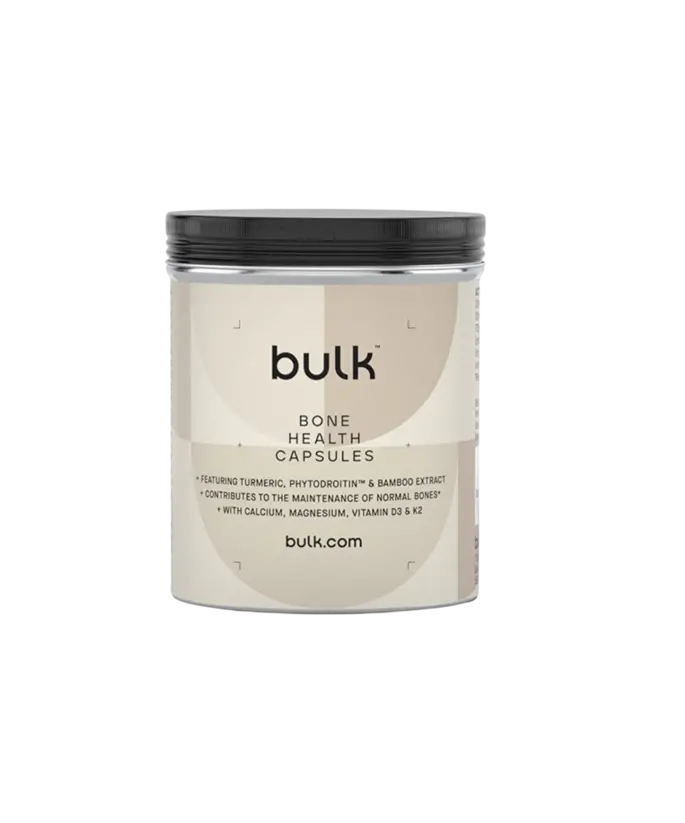
B+ Overall Grade

Pros

  • One of the most affordable bone health capsules in the UK
  • Combines calcium (800mg), vitamin D (10mcg) and vitamin K in one product
  • Gluten-free, no artificial colours or flavours
  • Trusted sports nutrition brand with strong quality controls
  • Simple 2-capsule daily serving

Cons

  • Uses calcium carbonate (requires food for absorption and harder on lower stomach acid)
  • No magnesium or vitamin C included in the formula
  • Basic two-nutrient formula with no bone matrix co-factors

The Bottom Line

Bulk has built a strong reputation in sports nutrition and their Bone Health Capsules reflect that same no-nonsense approach. The formula delivers 800mg of calcium alongside vitamin D and vitamin K at one of the lowest prices per serving on the market. For a straightforward bone support product, it is hard to beat on value.

The main trade-off is ingredient quality. The calcium is in carbonate form, which depends on stomach acid for absorption, so it must be taken with food and is less suitable as you get older. There is also no magnesium or vitamin C, so the formula stops at calcium and vitamin K with no support for the collagen matrix that bone is built on.

Best for: budget-conscious adults under 50 with good digestive function who already eat a balanced diet and want an affordable top-up.

*Results and rankings are based on subjective opinion and do not necessarily reflect typical results from the use of these products. Please visit product website for more information.
B Overall Grade

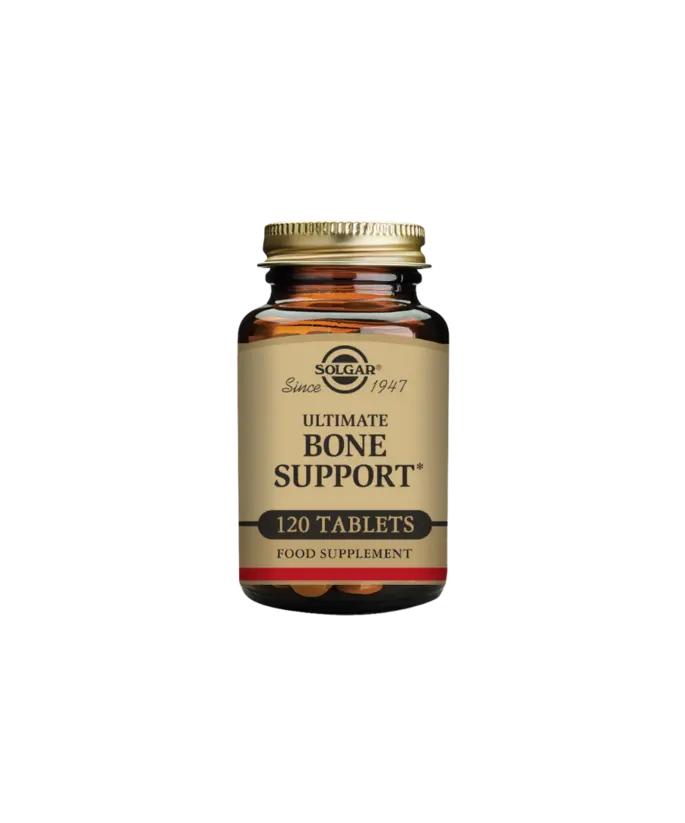
Pros

  • 70+ year heritage as a premium supplement brand
  • Multi-nutrient bone formula with calcium, D3, magnesium, zinc, copper and boron
  • Uses chelated mineral forms (Albion bisglycinate) for improved absorption
  • Widely available in health food stores and online

Cons

  • Requires 4 large tablets per day
  • Contains magnesium stearate as a flow agent
  • Premium price (approximately £25-30 for 120 tablets, a 30-day supply)

The Bottom Line

Solgar is one of the most respected names in the supplement industry, and Ultimate Bone Support reflects that pedigree. The formula is genuinely comprehensive, going beyond calcium and D3 to include trace minerals like boron, copper, and zinc, all of which play supporting roles in bone metabolism. The use of Albion chelated minerals is a thoughtful choice that should improve absorption.

Where it falls short is practicality. Four large tablets every day is a real commitment, and compliance research suggests many people will skip doses or abandon the product entirely within a few months. The inclusion of magnesium stearate is also worth noting for those who prefer a cleaner label.

Best for: health enthusiasts who want the most comprehensive multi-nutrient bone formula and do not mind a higher tablet count.

*Results and rankings are based on subjective opinion and do not necessarily reflect typical results from the use of these products. Please visit product website for more information.
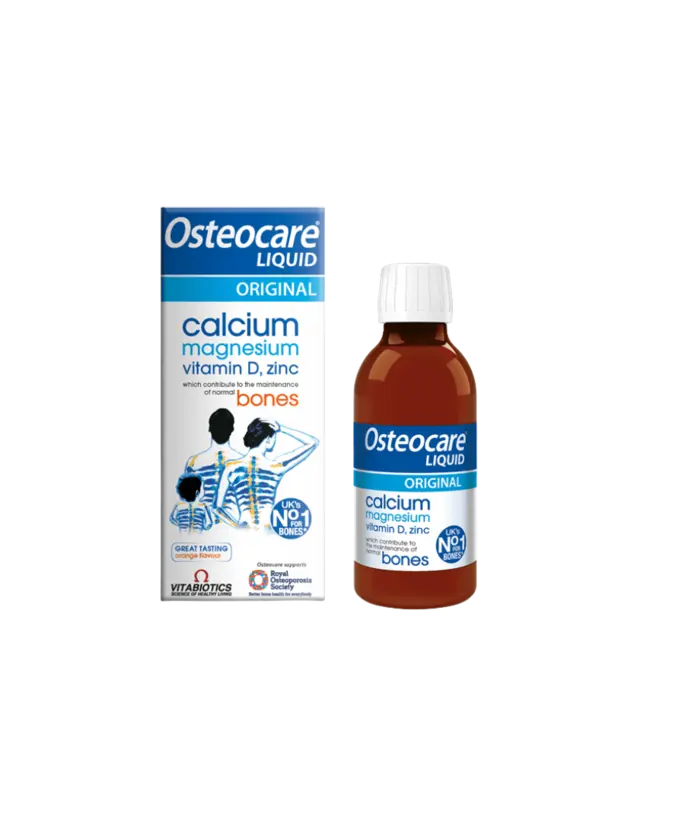
C+ Overall Grade

Pros

  • Liquid format, ideal for anyone who struggles to swallow tablets
  • Pleasant orange flavour that makes daily use painless
  • Includes calcium, magnesium, vitamin D and zinc
  • Vitabiotics is the UK's most widely sold supplement brand
  • Available in most high street pharmacies (Boots, Superdrug)

Cons

  • Contains added sugars and flavourings
  • Must be refrigerated after opening (impractical for travel)
  • Lower calcium per serving than capsule alternatives
  • Shorter shelf life once opened compared with capsules

The Bottom Line

Vitabiotics is the UK's number-one supplement brand and Osteocare is their dedicated bone health range. The liquid version solves a real problem: many older adults genuinely cannot swallow large calcium tablets, and for them, this product is a lifeline. The orange flavour is pleasant without being overly sweet, and the inclusion of magnesium, vitamin D, and zinc covers multiple bases.

The main trade-offs come from the liquid format itself. Added sugars and flavourings, refrigeration after opening, and a shorter shelf life make daily use less convenient than capsules. The calcium dose per serving is also lower than most capsule alternatives. For those who can swallow capsules, a cleaner and more compact formula exists.

Best for: older adults with swallowing difficulties who need a convenient, palatable liquid calcium they can find on the high street.

*Results and rankings are based on subjective opinion and do not necessarily reflect typical results from the use of these products. Please visit product website for more information.
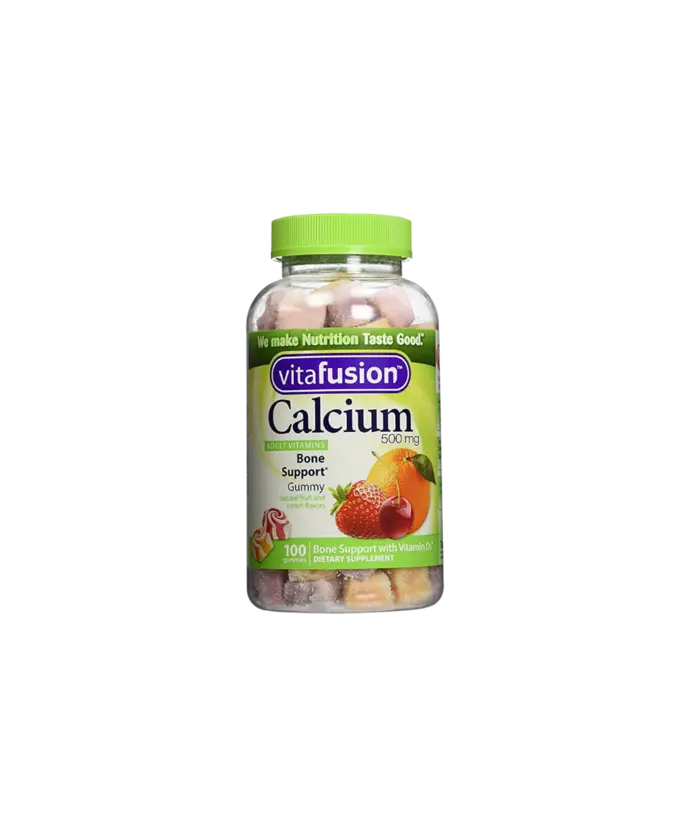
C Overall Grade

Pros

  • Genuinely enjoyable to take (natural fruit flavours)
  • Includes 500 IU vitamin D3 per serving
  • No artificial sweeteners, gluten-free
  • Good option for people who have abandoned every other format

Cons

  • Only 500mg calcium per 2-gummy serving
  • 3g sugar per serving (over 1kg per year)
  • No magnesium or vitamin C in the formula
  • Uses tricalcium phosphate, a less bioavailable form

The Bottom Line

Vitafusion has carved out a genuine niche by making supplements that people actually look forward to taking. Their calcium gummies taste good, use natural flavours, and have earned strong loyalty among users who had previously given up on calcium supplementation entirely. If the choice is between a gummy you take daily and a capsule gathering dust in the cupboard, the gummy wins.

The nutritional trade-offs are real, though. At 500mg per serving with 3g of sugar, you are getting more sugar than any capsule on this list. There is no magnesium for mineral balance, no vitamin C to support the bone collagen matrix, and the tricalcium phosphate form is not as well absorbed as citrate. The D3 dose is also half what research suggests is optimal.

Best for: people who have genuinely tried capsules and liquid formats and abandoned both. A gummy you actually take beats a capsule you do not.

*Results and rankings are based on subjective opinion and do not necessarily reflect typical results from the use of these products. Please visit product website for more information.

CITATIONS

  1. https://pubmed.ncbi.nlm.nih.gov/27099230/
  2. https://www.ncbi.nlm.nih.gov/pmc/articles/PMC5726035/
  3. https://pubmed.ncbi.nlm.nih.gov/28471760/
  4. https://www.ncbi.nlm.nih.gov/pmc/articles/PMC6521838/
  5. https://www.nhs.uk/conditions/vitamins-and-minerals/calcium/
  6. https://www.gov.uk/government/publications/sacn-vitamin-d-and-health-report
  7. https://pubmed.ncbi.nlm.nih.gov/25516361/